The Complete Guide to Jeep Knock Sensors and Engine Detonation Monitoring explains how modern Jeep engines listen for harmful combustion events and adjust operation. The knock sensor acts like an electronic ear that detects vibration patterns caused by abnormal burning inside the cylinder.
In my experience working through engine diagnosis cases, many drivers first notice a small pinging sound during acceleration or uphill driving. A proper inspection often shows that the issue involves more than the sensor alone. Fuel quality, ignition timing, carbon buildup, and engine condition can all affect detonation.
For Jeep owners in the United States, understanding the Complete Guide to Jeep Knock Sensors and Engine Detonation Monitoring helps prevent unnecessary parts replacement. A correct diagnosis protects engines used for daily commuting, towing, off-road driving, and long road trips.
Understanding Jeep Knock Sensors and Their Purpose
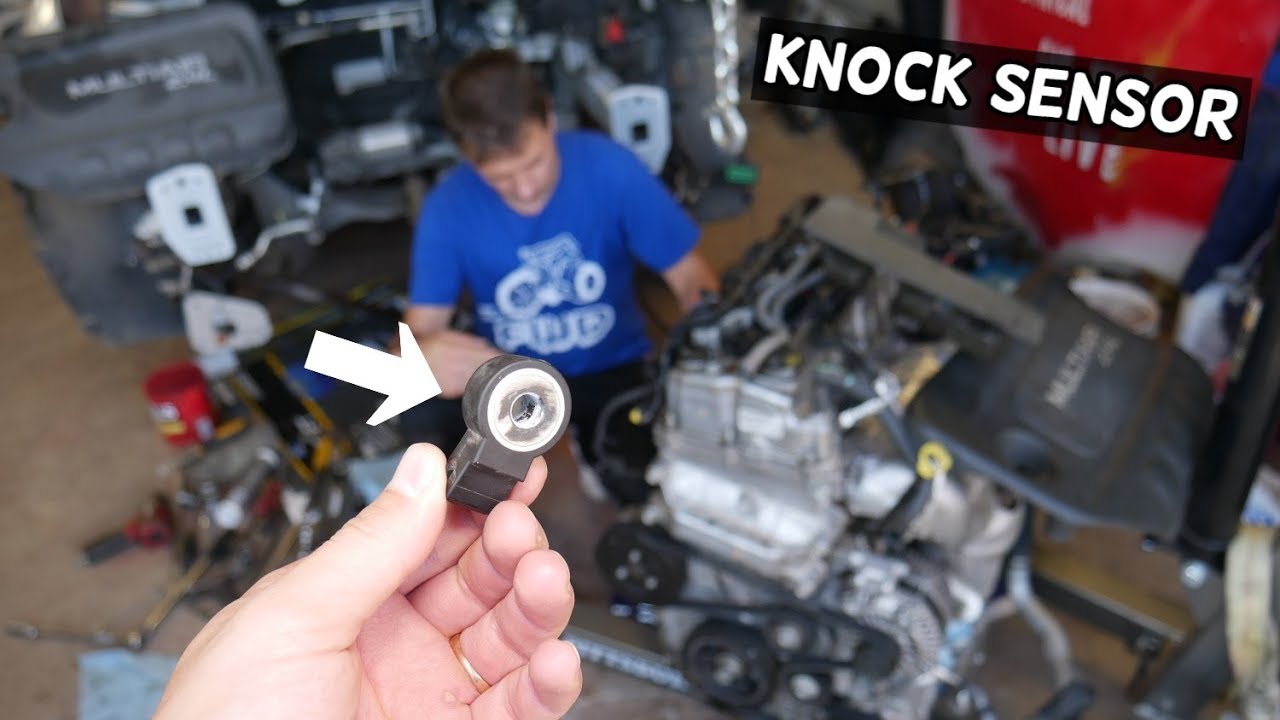
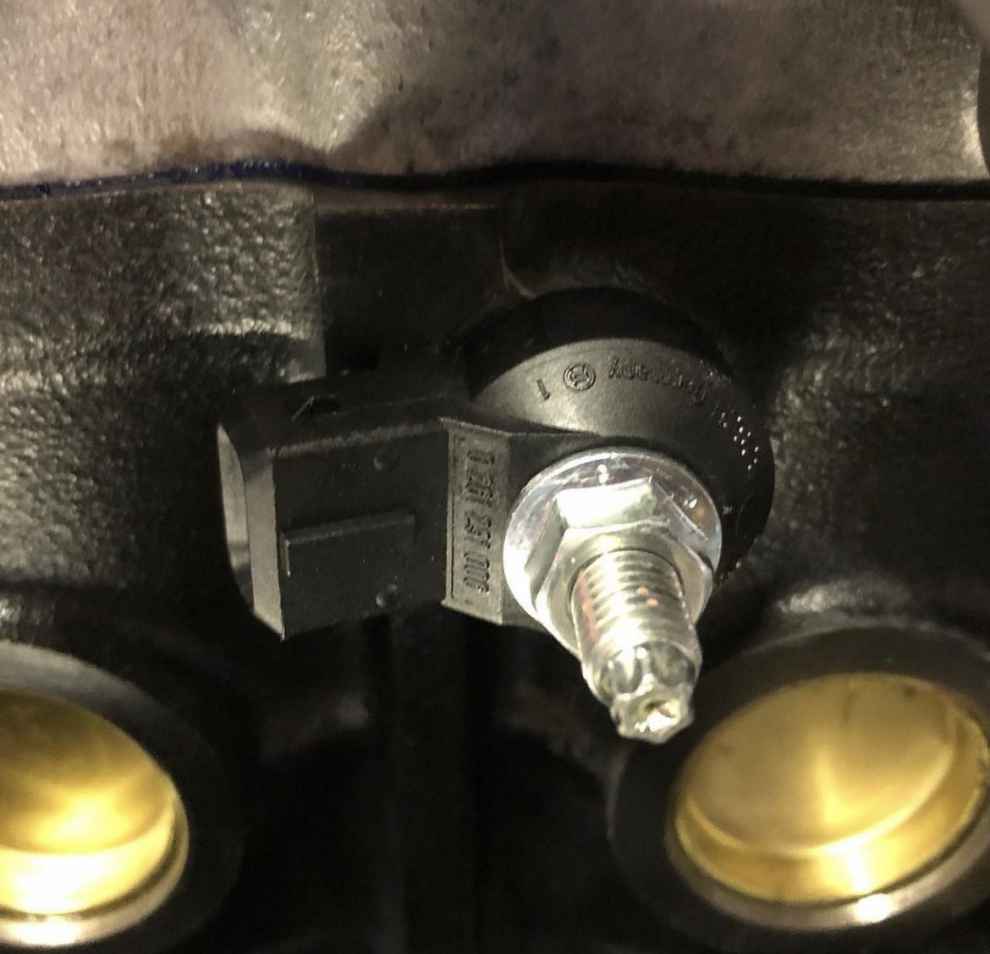
A Jeep knock sensor is a small electronic component mounted on the engine block. It detects unusual vibrations created by engine knock or detonation. The engine control module uses this information to change ignition timing and reduce possible damage.
The Complete Guide to Jeep Knock Sensors and Engine Detonation Monitoring starts with understanding that the sensor does not stop knock by itself. It only reports vibration data. The engine computer makes adjustments based on that information.
- ✦ Detects combustion problems
The sensor identifies vibration patterns linked to abnormal combustion inside the engine cylinder.
- ✦ Protects engine components
The system can reduce ignition advance to lower stress on pistons, valves, and bearings.
- ✦ Supports fuel efficiency
Correct timing control helps maintain balanced power output and fuel use.
How a Knock Sensor Works
Most Jeep knock sensors use piezoelectric material. This material creates an electrical signal when it experiences vibration or pressure changes.
The engine computer compares sensor signals with expected engine behavior. When it detects abnormal vibration, it may delay ignition timing to protect the engine.
- ✦ Vibration detection
The sensor monitors specific frequencies linked to combustion problems.
What Engine Detonation Means in a Jeep
Engine detonation happens when fuel and air burn in an uncontrolled way after the spark event. This creates pressure waves that can produce a metallic pinging or knocking sound.
The Complete Guide to Jeep Knock Sensors and Engine Detonation Monitoring shows why this issue matters. Repeated detonation can place extra stress on engine parts and reduce long-term reliability.

- ✦ Common detonation causes
Low fuel quality, excessive heat, incorrect timing, carbon deposits, and lean air-fuel mixtures can increase knock risk.
- ✦ Driving situations that reveal knock
Heavy acceleration, towing, climbing hills, and hot weather can make detonation easier to notice.
Normal Combustion Versus Detonation
Normal combustion creates a controlled flame that moves across the combustion chamber. Detonation creates sudden pressure spikes that the engine was not designed to handle.
A healthy knock monitoring system helps the Jeep react before small combustion problems become serious failures.
- ✦ Controlled burning
Normal combustion provides smooth power and stable engine operation.
Symptoms of a Bad Jeep Knock Sensor
A failing knock sensor can create problems because the engine computer may receive incorrect information. The vehicle may respond by using safer but less efficient engine settings.
The Complete Guide to Jeep Knock Sensors and Engine Detonation Monitoring includes symptoms that can help drivers identify possible sensor issues early.
- ✦ Check engine light
A faulty sensor or circuit problem may trigger diagnostic trouble codes related to knock sensor operation.
- ✦ Reduced engine power
The computer may reduce ignition timing to protect the engine.
- ✦ Poor fuel economy
Incorrect timing adjustments can affect normal fuel control.
- ✦ Pinging sounds
Engine noise during acceleration may indicate combustion problems.
Common Diagnostic Trouble Codes
Many Jeep models may store codes related to knock sensor circuits, signal range, or performance issues. A scan tool helps identify the direction of diagnosis.
A code alone does not always prove the sensor is defective. Technicians should inspect wiring, connectors, engine conditions, and related systems.
- ✦ Scan tool inspection
Diagnostic data helps confirm whether the sensor signal matches expected engine behavior.
Jeep Knock Sensor Diagnosis and Testing Process
Proper testing begins with a complete inspection instead of replacing parts immediately. A technician should confirm the complaint, check stored codes, and review engine data.
The Complete Guide to Jeep Knock Sensors and Engine Detonation Monitoring recommends checking the entire system because many engine problems can create similar symptoms.

- ✦ Inspect wiring
Damaged wires, loose connectors, or corrosion can interrupt sensor signals.
- ✦ Check engine condition
Fuel problems, overheating, and mechanical issues can create false knock conditions.
- ✦ Review live data
Advanced scan tools can show timing adjustments and sensor activity.
Testing Tools Used by Professionals
Professional diagnosis may use scan tools, digital meters, and service information. These tools help separate sensor faults from engine problems.
A careful testing process saves money because unnecessary sensor replacement may not solve the original cause.
- ✦ OBD scanner
Reads trouble codes and engine data from the vehicle computer.
Replacing a Jeep Knock Sensor
Knock sensor replacement difficulty depends on the Jeep model and engine design. Some sensors are easy to reach, while others require removing intake components.
A quality replacement part and correct installation matter because the sensor must create accurate vibration readings.

- ✦ Use correct parts
The replacement sensor should match the Jeep engine specifications.
- ✦ Follow torque settings
Proper mounting prevents inaccurate readings caused by incorrect installation.
After Replacement Checks
After installing a new sensor, clear stored codes and verify engine operation. A road test helps confirm that timing control works correctly.
If symptoms remain, continue diagnosis instead of assuming the new sensor failed.
- ✦ Verify repairs
Confirm that warning lights stay off and engine performance returns to normal.
Preventing Engine Detonation in Jeep Vehicles
Preventive maintenance reduces the chance of combustion problems. Regular service keeps the engine operating within its designed limits.
The Complete Guide to Jeep Knock Sensors and Engine Detonation Monitoring highlights that sensor health and engine care work together.
- ✦ Use recommended fuel
Follow the fuel requirements listed for the specific Jeep engine.
- ✦ Maintain cooling systems
High engine temperatures increase the risk of detonation.
- ✦ Service ignition parts
Healthy spark plugs and ignition components support proper combustion.
Driving Habits That Help
Avoiding extreme engine loads before the vehicle reaches normal operating temperature can reduce stress.
Regular inspections are especially useful for Jeep owners who tow trailers or drive in demanding conditions.
- ✦ Monitor unusual sounds
Early attention to engine noises can prevent larger repairs.
Frequently Asked Questions about Complete Guide to Jeep Knock Sensors and Engine Detonation Monitoring

Jeepexplorerr
Contributor