The Complete Guide to Jeep Crankshaft and Camshaft Position Systems explains how these critical engine parts work together in modern Jeep vehicles. These systems act like the engine’s timing reference network. They tell the powertrain control module exactly where internal parts are moving.
From my experience studying engine diagnostics, many Jeep performance problems start with small timing signal issues. A weak sensor signal, damaged wire, or timing problem can create symptoms that look like fuel or ignition failures. Understanding these systems makes diagnosis faster and more accurate.
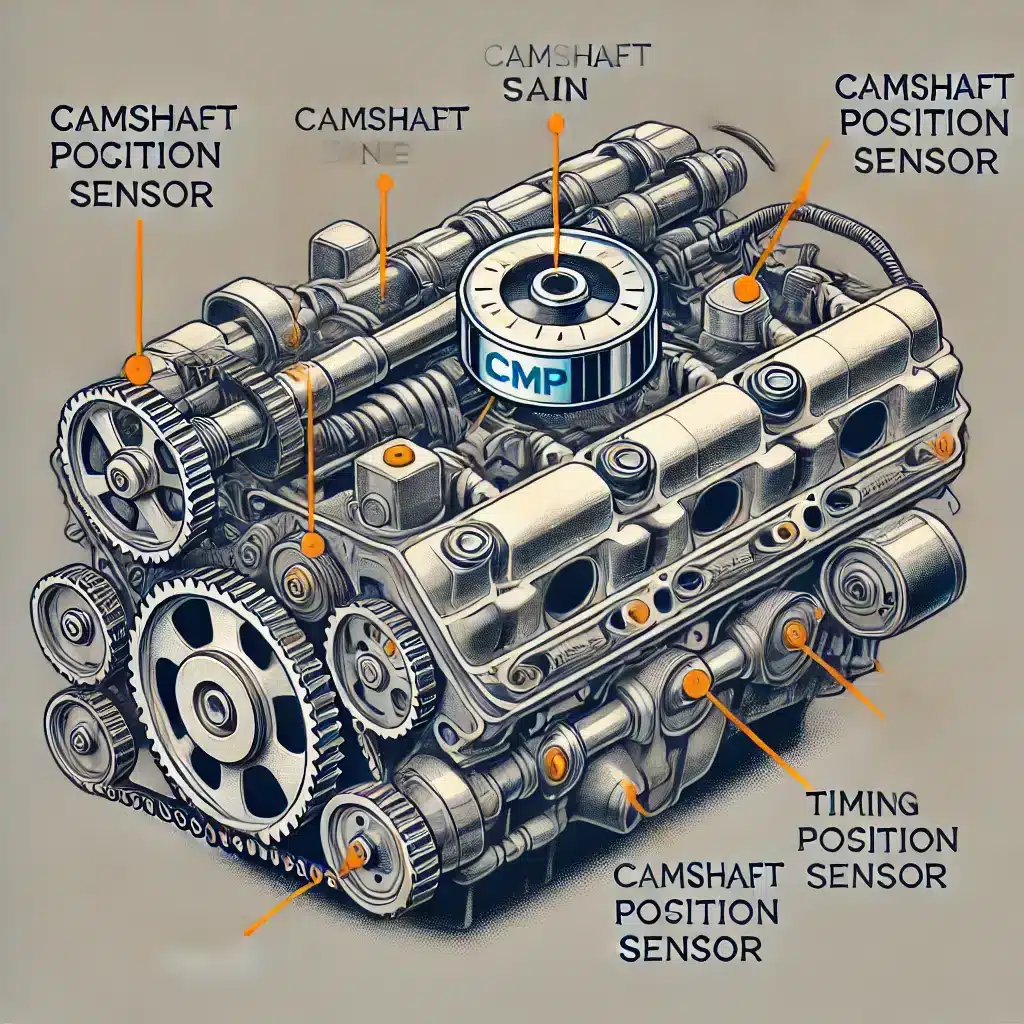
How Jeep Crankshaft and Camshaft Position Systems Work
The Complete Guide to Jeep Crankshaft and Camshaft Position Systems starts with understanding the basic job of each component. The crankshaft converts piston movement into rotation. The camshaft controls valve opening and closing through engine cycles.
Jeep engines use electronic sensors to monitor the position and speed of these rotating parts. The engine computer uses these signals to adjust spark timing, injector timing, and other controls.

- ✦ Crankshaft Position Sensor
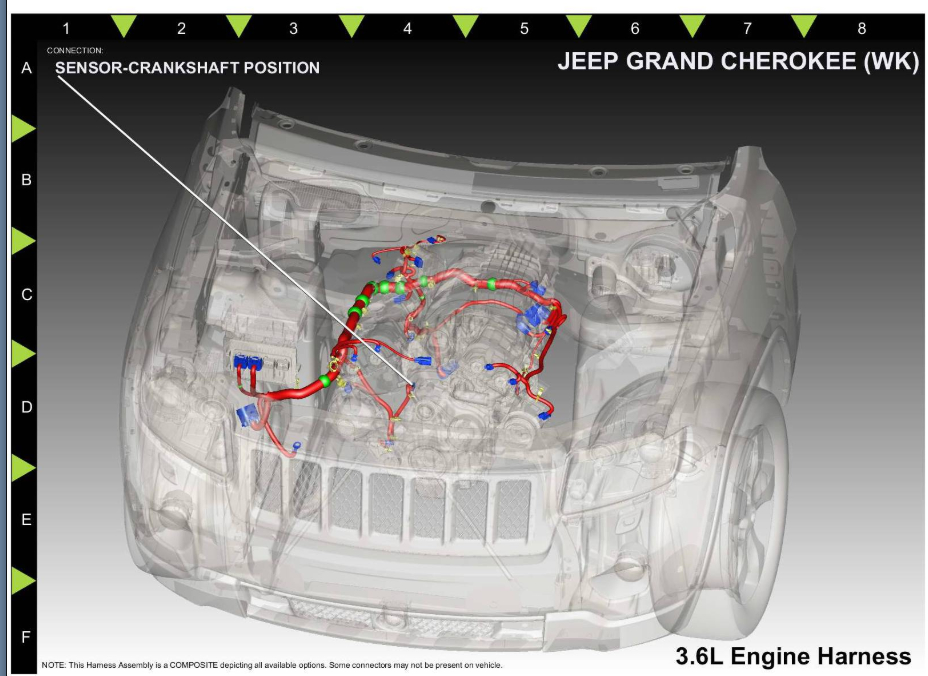
This sensor measures crankshaft speed and position. It helps the engine computer know when each cylinder reaches the correct firing point.
- ✦ Camshaft Position Sensor
This sensor identifies camshaft position so the computer can control valve timing and fuel injection sequence.
- ✦ Timing Synchronization
Both sensors must send matching information for smooth engine operation.
Why Timing Signals Matter
Modern Jeep engines depend on accurate timing data. The computer cannot see mechanical movement directly, so it depends on sensor signals.
When signals become inaccurate, the engine may run poorly or enter a safety mode to protect components.
- ✦ Fuel Control
Correct timing information helps inject fuel at the proper moment.
Main Components Inside Jeep Position Systems
The Complete Guide to Jeep Crankshaft and Camshaft Position Systems includes several parts beyond the sensors. A complete system includes sensors, tone wheels, wiring, connectors, and engine control software.
Each part must work correctly because the system depends on precise electronic signals. A small wiring issue can create the same symptoms as a failed sensor.

- ✦ Tone Ring or Reluctor Wheel
This rotating component creates the signal pattern that sensors read.
- ✦ Electrical Connector
The connector supplies power and transfers sensor data to the engine computer.
- ✦ Engine Control Module
The computer processes sensor information and controls engine operation.
Common Symptoms of Jeep Crankshaft and Camshaft Sensor Problems
Sensor issues often appear as everyday driving problems. Many Jeep owners first notice longer cranking, rough idle, or sudden engine hesitation.
The Complete Guide to Jeep Crankshaft and Camshaft Position Systems shows that symptoms can overlap with many other engine faults. Proper testing prevents unnecessary parts replacement.
- ✦ Hard Starting
A weak position signal may prevent the engine computer from knowing the correct starting point.
- ✦ Engine Stalling
Loss of timing information can cause the engine to shut down unexpectedly.
- ✦ Poor Acceleration
Incorrect timing signals may reduce engine response and power.
- ✦ Check Engine Light
The computer may store timing-related diagnostic trouble codes.
Driving Conditions That Reveal Problems
Some sensor failures appear only when the engine gets hot. Heat can affect damaged wiring and aging electronic components.
Many Jeep owners notice issues during highway driving, climbing hills, or off-road conditions where vibration increases.
- ✦ Heat Related Failure
A sensor may work when cold but fail after reaching operating temperature.
Jeep Diagnostic Process for Position Sensor Problems
The Complete Guide to Jeep Crankshaft and Camshaft Position Systems requires a step-by-step diagnostic approach. Replacing sensors without testing can waste time and money.
Professional technicians usually begin with scan data, then inspect wiring and confirm sensor operation. This process helps separate electrical problems from mechanical timing problems.

- ✦ Read Trouble Codes
Scan tools can reveal codes related to crankshaft, camshaft, or correlation problems.
- ✦ Inspect Wiring
Look for damaged insulation, corrosion, loose connectors, or oil contamination.
- ✦ Check Live Data
Advanced scanners can compare sensor signals while the engine runs.
Common Jeep Diagnostic Codes
Codes such as P0335 and P0340 often relate to crankshaft and camshaft sensor circuits. Other codes may indicate timing correlation problems.
A code identifies an area of concern, not always the exact failed part. Testing remains important.
- ✦ Correlation Codes
These codes may indicate disagreement between crankshaft and camshaft signals.
Crankshaft and Camshaft Position Sensor Replacement Basics
Replacing a Jeep position sensor depends on the engine design and sensor location. Some sensors are easy to access, while others require more labor.
The Complete Guide to Jeep Crankshaft and Camshaft Position Systems recommends checking service information before starting repairs. Correct installation prevents repeat failures.

- ✦ Use Quality Parts
Reliable sensors provide accurate signals and better long-term performance.
- ✦ Inspect Related Parts
Check connectors, wiring, and mounting areas during replacement.
Installation Tips
Always disconnect power before electrical repairs. Follow torque specifications and installation procedures.
After replacement, clear codes and confirm proper engine operation with a test drive.
- ✦ Final Verification
A successful repair should include normal starting, smooth idle, and no returning fault codes.
Preventing Jeep Timing System Problems
The Complete Guide to Jeep Crankshaft and Camshaft Position Systems also focuses on prevention. Regular maintenance reduces the chance of sudden sensor failures.
Jeep vehicles often face vibration, temperature changes, and harsh driving conditions. These factors can affect wiring and electrical connections over time.

- ✦ Maintain Engine Health
Clean oil and proper maintenance support reliable timing system operation.
- ✦ Inspect Connectors
Regular checks can find corrosion or damage before failure occurs.
- ✦ Address Warning Signs Early
Fixing rough starts or stalling issues early can prevent bigger problems.
Frequently Asked Questions about Complete Guide to Jeep Crankshaft and Camshaft Position Systems

Jeepexplorerr
Contributor