The Complete Guide to Jeep Engine Compression Testing and Internal Engine diagnosis starts with understanding how your engine creates power. Every Jeep engine needs strong cylinder sealing to compress the air and fuel mixture. When compression drops, your Jeep may lose power, burn oil, misfire, or struggle to start.
In my experience working through engine diagnosis cases, a compression test often saves time before expensive repairs begin. A Jeep Wrangler, Cherokee, Grand Cherokee, or Gladiator can show many symptoms that look like fuel or electrical issues. Testing cylinder pressure helps separate simple problems from deeper internal damage.

Understanding Jeep Engine Compression and Why Testing Matters
The Complete Guide to Jeep Engine Compression Testing and Internal Engine Diagnosis begins with basic engine operation. During the compression stroke, the piston moves upward while valves close tightly. This traps the air and fuel mixture and creates pressure needed for combustion.
A healthy engine creates similar compression levels across all cylinders. Small differences can happen, but large gaps often show a sealing problem. A compression test gives a clear starting point before removing engine parts.
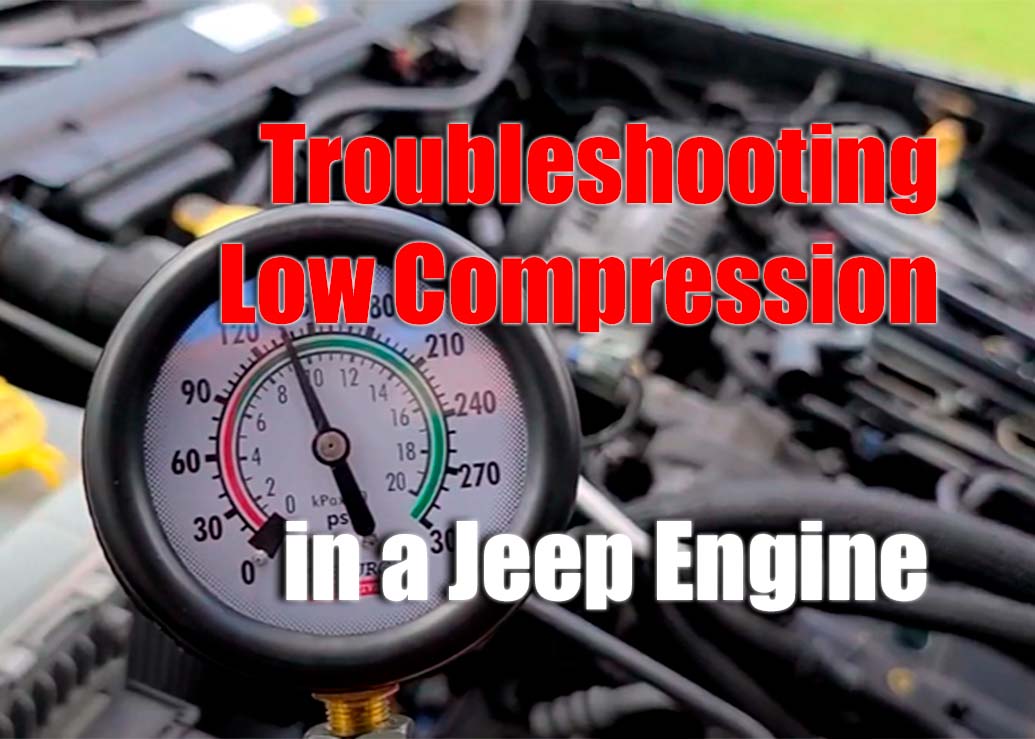
- ✦ Cylinder sealing
Compression depends on piston rings, valves, cylinder walls, and the head gasket working together.
- ✦ Power production
Strong compression allows the engine to burn fuel efficiently and produce normal power.
Common Jeep Symptoms That Require Compression Testing
Many Jeep owners notice symptoms before they suspect internal engine damage. A compression test helps connect these symptoms with possible causes.
- ✦ Hard starting
Low cylinder pressure can make the engine crank longer before starting.
- ✦ Misfires
A weak cylinder may fail to burn fuel correctly and create rough running.
Tools Needed for a Jeep Compression Test
A compression test does not require a large collection of tools. Most Jeep owners and technicians can complete the basic test with a quality compression gauge and simple hand tools.
The right preparation improves accuracy. A weak battery, incorrect testing method, or cold engine can create misleading results.

- ✦ Compression gauge
This tool measures pressure inside each cylinder during cranking.
- ✦ Spark plug socket
Removing spark plugs allows the gauge adapter to connect directly to the cylinder.
- ✦ Battery charger
A fully charged battery keeps cranking speed consistent during testing.
Safety Steps Before Testing
Always disable fuel and ignition systems before testing. This prevents accidental starting and keeps the test safe.
Work on a cool engine unless the service procedure requires another method. Hot parts can cause burns during inspection.
How to Perform a Jeep Engine Compression Test Step by Step
The Complete Guide to Jeep Engine Compression Testing and Internal Engine Diagnosis requires a careful testing process. Accurate results depend on using the same method for every cylinder.
Start by warming the engine if possible, then remove all spark plugs. Disable fuel delivery and ignition before connecting the compression gauge.

- ✦ Install the gauge
Thread the compression tester into one spark plug hole securely.
- ✦ Crank the engine
Turn the engine several revolutions until the gauge reading stops increasing.
- ✦ Record results
Write down every cylinder reading and compare the numbers.
Recording Cylinder Results Correctly
Do not focus only on the highest number. The difference between cylinders often reveals more than the exact pressure value.
A cylinder that reads much lower than the others needs further testing.
Understanding Jeep Compression Test Results
Compression readings vary between Jeep engines because each engine design has different specifications. Always compare results with the factory service information for your exact model and engine.
The most important factor is consistency between cylinders. A balanced engine usually performs better than one with large pressure differences.

- ✦ Normal compression
Similar readings across cylinders usually indicate good internal sealing.
- ✦ Low compression
A weak reading may indicate valve, ring, piston, or gasket problems.
- ✦ Uneven compression
Large differences between cylinders often require deeper diagnosis.
Wet Compression Test Explained
A wet test adds a small amount of oil into the cylinder before testing again. The oil temporarily improves piston ring sealing.
If compression rises significantly, worn rings may be the cause. If it stays low, valve or gasket problems become more likely.
Diagnosing Internal Jeep Engine Problems From Compression Results
The Complete Guide to Jeep Engine Compression Testing and Internal Engine Diagnosis becomes more valuable when results are connected to real mechanical causes. Compression numbers are clues, not the final answer.
A professional technician combines compression readings with symptoms, engine history, and additional tests before recommending repairs.

- ✦ Worn piston rings
Damaged rings can allow combustion pressure to escape into the crankcase.
- ✦ Burned valves
A valve that does not seal correctly can reduce cylinder pressure.
- ✦ Head gasket failure
A damaged gasket can allow pressure to leak between cylinders or cooling passages.
When to Perform a Leak-Down Test
A leak-down test adds more detail after a compression test. It sends compressed air into the cylinder and measures where air escapes.
This test can identify whether air leaks through the intake valve, exhaust valve, rings, or head gasket.
Common Mistakes During Jeep Compression Testing
Many incorrect diagnoses happen because the test process is inconsistent. A small mistake can create false readings and lead to unnecessary repairs.
Following a repeatable process helps both DIY owners and professional mechanics get reliable information.
- ✦ Testing only one cylinder
All cylinders should be checked because comparison reveals problems.
- ✦ Ignoring engine condition
Battery strength, temperature, and throttle position can affect readings.
- ✦ Replacing parts too early
Confirm the root cause before spending money on repairs.
Professional Diagnostic Approach
Experienced technicians use compression testing as one part of a complete diagnosis. They combine mechanical testing with scan data and visual inspection.
This approach prevents replacing expensive components without proof.
Frequently Asked Questions about Complete Guide to Jeep Engine Compression Testing and Internal Engine Diagnosis

Jeepexplorerr
Contributor