The Complete Guide to Jeep Refrigerant Types AC Pressure and Climate-System Service helps Jeep owners understand how their air conditioning system works and how to keep it reliable. Modern Jeep models use advanced climate systems that depend on exact refrigerant levels, clean components, and proper pressure balance.
From my experience reviewing vehicle cooling systems, many AC problems come from incorrect refrigerant charges or skipped maintenance. A Jeep may still blow air while losing cooling power because small issues in pressure, leaks, or airflow can reduce performance.

Understanding Jeep Refrigerant Types and Model Differences
The first step in the Complete Guide to Jeep Refrigerant Types AC Pressure and Climate-System Service is knowing which refrigerant your Jeep uses. Older Jeep vehicles commonly use R-134a refrigerant, while many newer models use R-1234yf.
The refrigerant type depends on the factory design and model year. Using the wrong refrigerant can damage system parts and create poor cooling performance.

- ✦ R-134a Refrigerant
R-134a is common in many Jeep models built before newer environmental rules. It requires specific pressure ranges and oil compatibility.
- ✦ R-1234yf Refrigerant
R-1234yf is used in many newer Jeep vehicles because it has lower environmental impact. It requires different service tools and procedures.
- ✦ Factory Refrigerant Label
The under-hood label provides the correct refrigerant type and factory charge amount for the Jeep.
Why Refrigerant Type Matters
Each refrigerant works with specific compressor oils, seals, and system designs. Mixing refrigerants can reduce cooling ability and cause expensive repairs.
- ✦ System Compatibility
Jeep AC parts are designed around a specific refrigerant formula and pressure behavior.
How Jeep AC Pressure Works and What Readings Mean
AC pressure shows how the refrigerant moves through the high and low sides of the climate system. Technicians use pressure readings with temperature data to understand system health.
The Complete Guide to Jeep Refrigerant Types AC Pressure and Climate-System Service requires more than checking one gauge. Pressure changes with outdoor temperature, humidity, engine speed, and refrigerant amount.
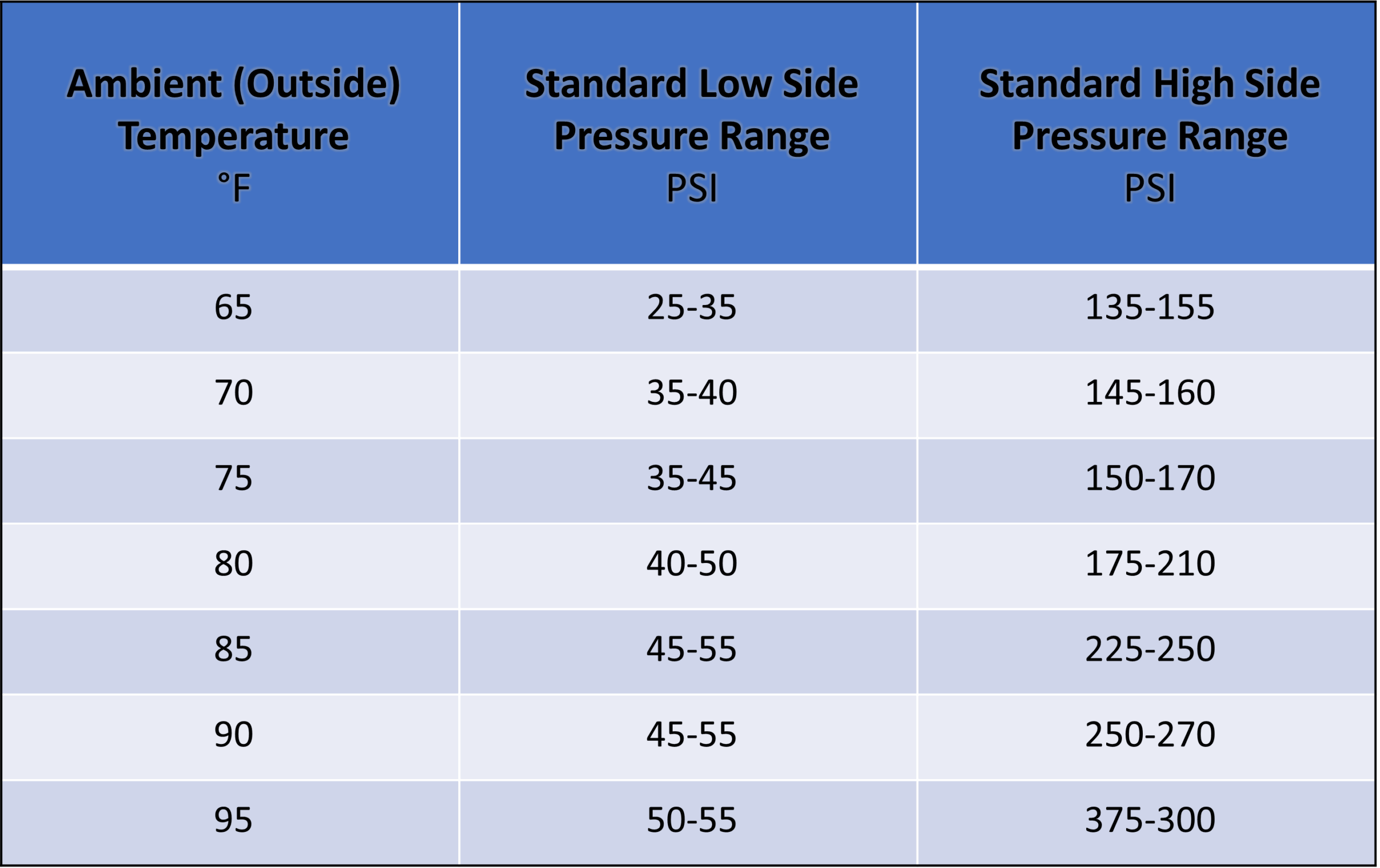
- ✦ Low Side Pressure
The low side measures refrigerant returning to the compressor after absorbing cabin heat.
- ✦ High Side Pressure
The high side measures refrigerant after compression and heat release through the condenser.
- ✦ Temperature Influence
Hot weather increases normal pressure readings, especially during summer driving.
Why Pressure Alone Does Not Confirm Refrigerant Level
A pressure reading can look normal even when the system has problems. Proper diagnosis also requires leak testing, temperature checks, and inspection of AC components.
- ✦ Complete Diagnosis
Professional service checks the whole climate system instead of relying on one measurement.
Jeep AC Refrigerant Charge Amount and Service Process
The correct refrigerant amount is critical for Jeep climate-system performance. Too little refrigerant reduces cooling, while too much can increase pressure and stress components.
The Complete Guide to Jeep Refrigerant Types AC Pressure and Climate-System Service includes recovery, vacuum testing, leak inspection, and precise recharge procedures.

- ✦ Recover Old Refrigerant
Technicians remove existing refrigerant safely before opening the AC system.
- ✦ Vacuum Test
A vacuum removes moisture and helps confirm system integrity.
- ✦ Recharge With Correct Amount
The system receives the factory-specified refrigerant weight.
Common Refrigerant Charging Mistakes
Many DIY problems happen when owners add refrigerant without checking the actual cause. A leak may allow the refrigerant to escape again after a short time.
- ✦ Overcharging
Too much refrigerant can create high pressure and reduce cooling efficiency.
Major Jeep Climate-System Components and Their Roles
A Jeep AC system depends on several parts working together. Failure in one area can affect cooling performance throughout the vehicle.
Understanding each component makes troubleshooting easier and helps owners recognize early warning signs.

- ✦ Compressor
The compressor moves refrigerant through the AC system and creates pressure differences.
- ✦ Condenser
The condenser releases heat from refrigerant near the front of the vehicle.
- ✦ Evaporator
The evaporator removes heat from cabin air before cool air enters the interior.
- ✦ Expansion Device
The expansion valve or tube controls refrigerant flow into the evaporator.
Signs of Climate-System Problems
Weak airflow, warm air, unusual compressor sounds, and moisture inside the cabin can indicate AC issues.
- ✦ Warm Air From Vents
Low refrigerant, leaks, or compressor issues may cause poor cooling.
Professional Jeep AC Service and Maintenance Tips
Regular climate-system service keeps Jeep AC performance strong. U.S. drivers often place heavy demand on AC systems during long summer trips and daily commuting.
The Complete Guide to Jeep Refrigerant Types AC Pressure and Climate-System Service recommends preventive checks before extreme weather arrives.
- ✦ Inspect For Leaks
Leak detection helps prevent repeated refrigerant loss.
- ✦ Replace Cabin Air Filters
A clean filter improves airflow and reduces AC strain.
- ✦ Run AC Regularly
Using the system throughout the year helps keep seals lubricated.
When To Visit A Professional Technician
Professional service is recommended when the system loses refrigerant, shows abnormal pressure, or requires component replacement.
- ✦ Advanced Repairs
Compressor replacement and refrigerant recovery require proper equipment.
Frequently Asked Questions about Complete Guide to Jeep Refrigerant Types AC Pressure and Climate-System Service

Jeepexplorerr
Contributor