The Complete Guide to Jeep Cooling Fan Operation Fan Control and Airflow explains how the fan system works in real driving conditions. A Jeep may handle highways, trails, traffic jams, and hot summer weather, but the cooling system must always remove engine heat.
From my experience studying vehicle cooling systems, many overheating problems come from airflow issues instead of coolant problems. A weak fan motor, failed relay, bad sensor, or damaged fan blade can reduce airflow even when the radiator and coolant level look normal.
This Complete Guide to Jeep Cooling Fan Operation Fan Control and Airflow covers fan designs, control methods, airflow problems, diagnosis steps, and repair choices for Jeep owners in the United States.
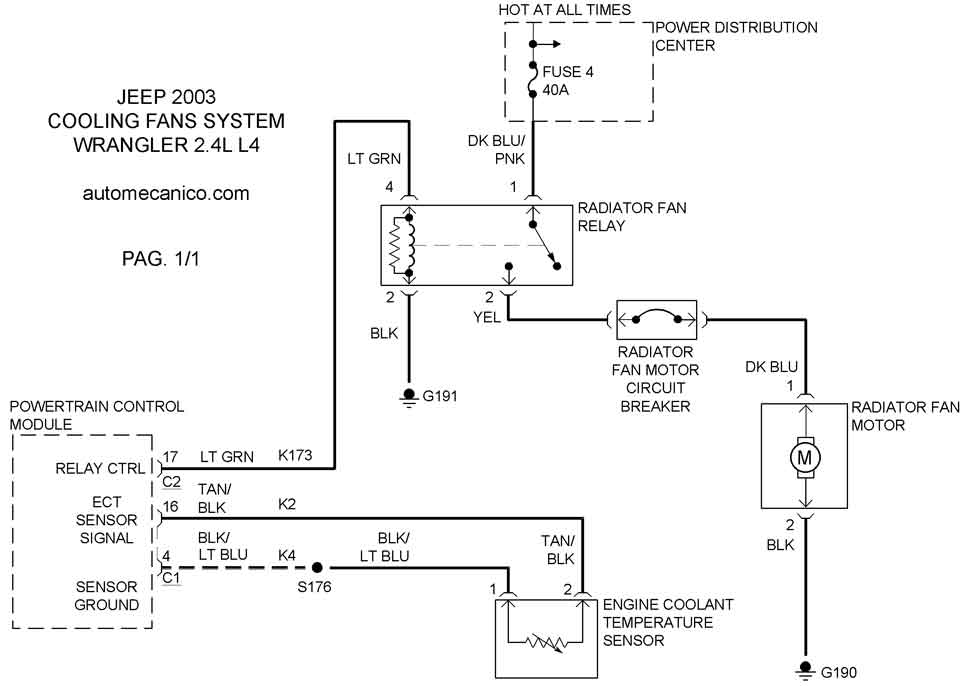
How Jeep Cooling Fans Work and Why Airflow Matters
The cooling fan pulls or pushes air through the radiator when natural airflow is not enough. This happens often during slow traffic, parking, off-road driving, or hot weather conditions.
The Complete Guide to Jeep Cooling Fan Operation Fan Control and Airflow starts with one simple idea: coolant carries heat away, but airflow removes that heat from the radiator.
A Jeep moving at highway speed may not need much fan support because outside air creates strong airflow. During idle conditions, the fan becomes the main source of cooling air.
- ✦ Radiator airflow
The fan moves air across radiator fins so heat can leave the coolant.
- ✦ Engine protection
Proper fan operation helps prevent overheating and engine damage.
- ✦ Driving conditions
Slow speeds and hot climates require stronger fan performance.
Natural Airflow Versus Fan-Assisted Airflow
Natural airflow increases as vehicle speed rises. This is why many Jeep owners notice temperature changes between highway driving and city traffic.
A working cooling fan supports the radiator when vehicle speed drops and air movement becomes limited.
- ✦ Highway driving
Vehicle speed creates enough airflow for many cooling situations.
- ✦ Idle operation
The cooling fan provides the airflow needed when the Jeep is not moving.
Types of Jeep Cooling Fan Systems
Jeep models use different cooling fan designs depending on engine type, year, and vehicle platform. Understanding the system helps with accurate diagnosis.
The Complete Guide to Jeep Cooling Fan Operation Fan Control and Airflow includes electric fans, mechanical fans, and hydraulic fan systems because each design has unique parts and failure points.
Modern Jeep vehicles often use computer-controlled electric fans that adjust speed based on engine temperature, air conditioning demand, and vehicle conditions.
- ✦ Electric cooling fans
Electric motors spin fan blades using power controlled by relays and modules.
- ✦ Mechanical fans
Engine-driven fans use belts and fan clutches to control airflow.
- ✦ Hydraulic fans
Some Jeep models use hydraulic pressure systems for variable fan speed control.
Electric Fan Operation
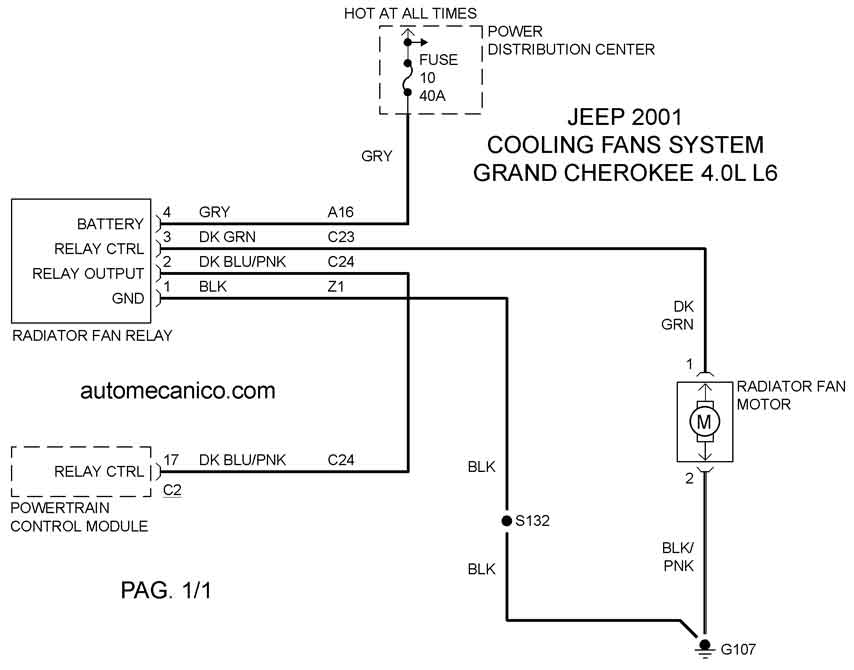
Electric fans use temperature sensors and control modules to decide when airflow is needed. The system may run at different speeds instead of using only on and off operation.
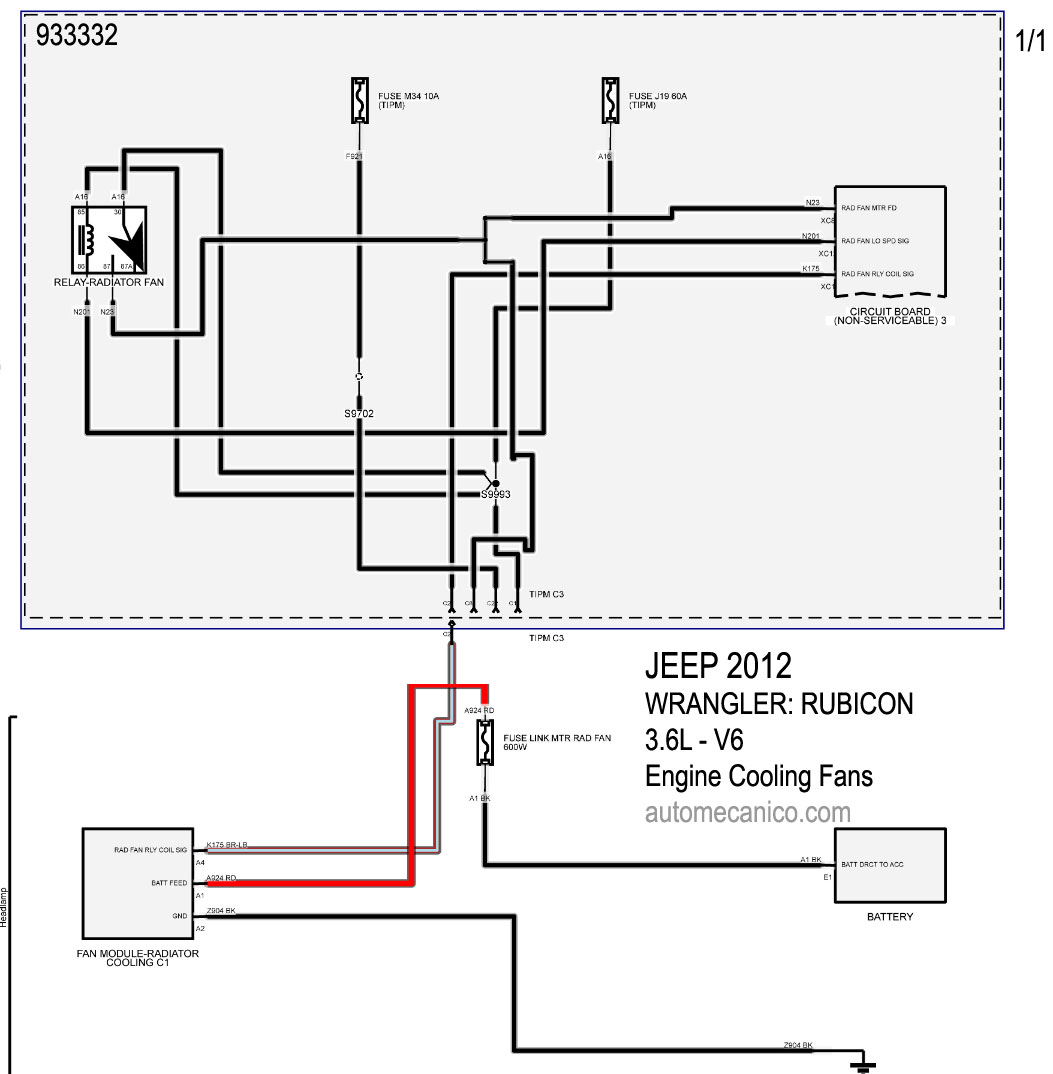
A failed motor, fuse, relay, or control signal can stop the fan from working correctly.
- ✦ Fan motor
The motor creates the rotation needed to move air.
- ✦ Fan relay
The relay controls electrical power flow to the fan.
Jeep Cooling Fan Control Systems and Sensors
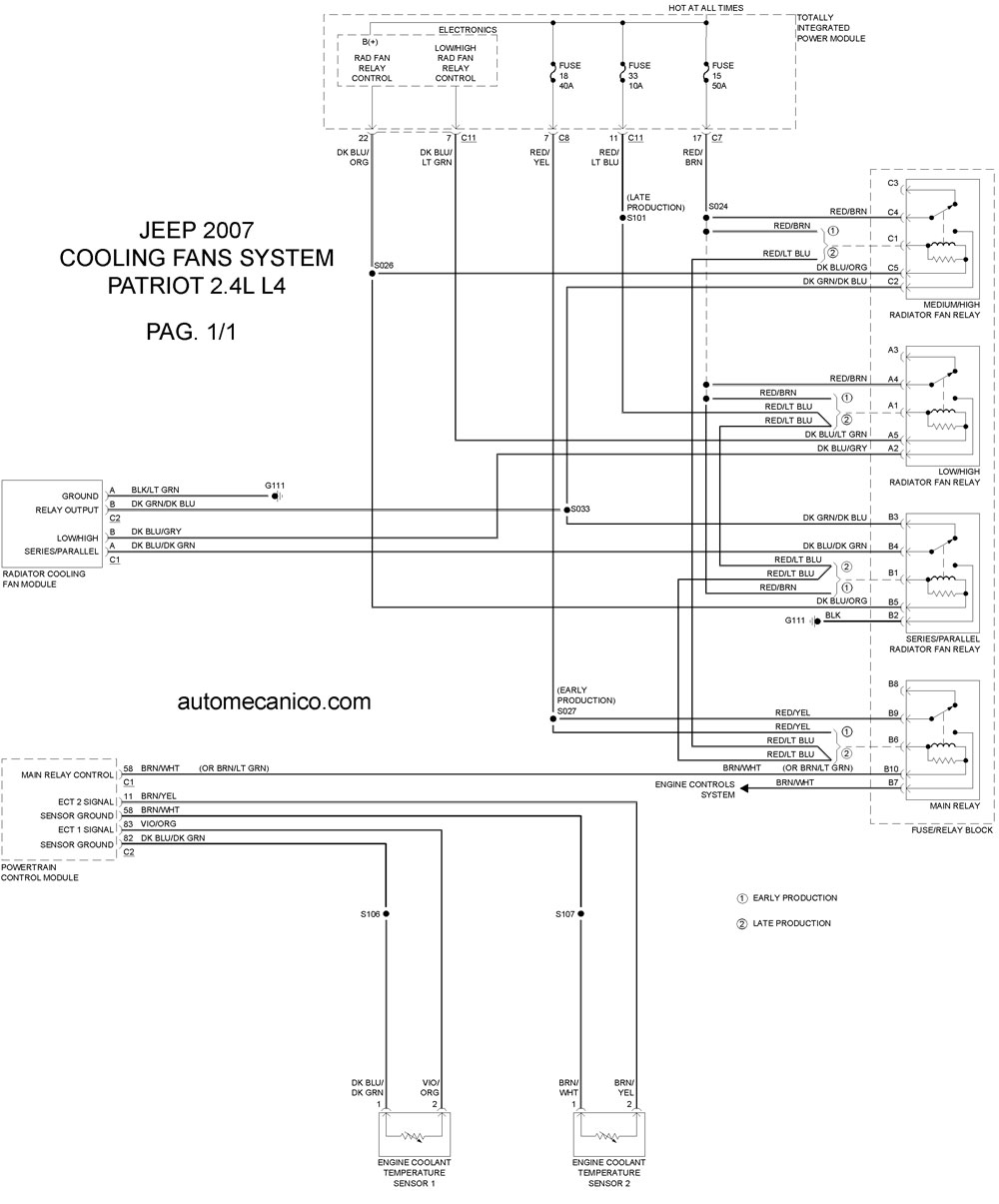
The fan control system uses multiple inputs to decide when and how fast the fan should operate. The engine computer receives information from sensors and sends commands to fan components.
The Complete Guide to Jeep Cooling Fan Operation Fan Control and Airflow shows why a fan problem may not always be caused by the fan itself. A sensor or control issue can create the same symptoms.
Temperature sensors, air conditioning pressure readings, and engine load information all help manage cooling performance.

- ✦ Coolant temperature sensor
Measures engine temperature and helps the computer control fan operation.
- ✦ Engine control module
Processes sensor information and manages fan commands.
- ✦ Air conditioning input
The fan may run when the AC system needs extra airflow.
Signs of Fan Control Problems
A Jeep with a control problem may overheat during idle but remain normal while driving. This pattern often points toward airflow problems.
A diagnostic scan tool can help identify sensor faults and control errors.
- ✦ Temperature spikes
Engine temperature rises when airflow demand increases.
- ✦ Fan stays off
The fan does not activate when engine temperature requires cooling.
Common Jeep Cooling Fan Problems and Symptoms
Cooling fan failures often appear through temperature changes, unusual noises, or poor air movement. Early diagnosis can protect the engine.
Many Jeep owners first notice overheating while sitting in traffic or using the air conditioner on hot days.
The Complete Guide to Jeep Cooling Fan Operation Fan Control and Airflow helps separate fan issues from other cooling system problems.

- ✦ Fan does not run
Possible causes include electrical failure, motor damage, or control problems.
- ✦ Weak airflow
A damaged blade or weak motor may reduce cooling performance.
- ✦ Constant fan operation
A control fault may cause the fan to run more than needed.
Overheating During Idle
Idle overheating is one of the most common signs of poor radiator airflow. The Jeep may stay cool on the road but become hot when stopped.
Checking fan activation, airflow direction, and sensor signals should be part of the diagnosis.
- ✦ Traffic overheating
Low vehicle speed increases dependence on the cooling fan.
- ✦ AC-related overheating
Air conditioning use increases cooling demand.
How to Test a Jeep Cooling Fan System
A proper fan test starts with basic checks before replacing parts. Many unnecessary repairs happen because owners replace the fan without checking power, control signals, or sensors.
The Complete Guide to Jeep Cooling Fan Operation Fan Control and Airflow recommends a step-by-step approach that confirms the actual failure point.
Always follow safety steps because cooling systems can become hot and pressurized during operation.
- ✦ Visual inspection
Check blades, wiring, connectors, and physical damage.
- ✦ Electrical testing
Measure power and ground supply at the fan connector.
- ✦ Scan tool testing
Review temperature readings and fan commands.
Professional Diagnostic Approach
Technicians often compare commanded fan speed with actual fan operation. This helps locate problems between the computer and the fan assembly.
Testing saves time because the fan motor may work while the control system fails.
- ✦ Confirm the symptom
Identify when overheating or airflow problems occur.
- ✦ Test before replacement
Verify failed parts before installing new components.
Frequently Asked Questions about Complete Guide to Jeep Cooling Fan Operation Fan Control and Airflow

Jeepexplorerr
Contributor