The complete Guide to Jeep Oil Pressure Testing and Lubrication Diagnosis helps Jeep owners understand one of the most important engine health checks. Oil pressure keeps moving parts protected by creating a thin layer of oil between metal surfaces. When pressure drops, engine wear can increase quickly.
In my experience working through engine diagnosis cases, many Jeep oil warnings come from simple issues like bad sensors, wiring faults, wrong oil levels, or poor maintenance. A proper test with a mechanical gauge can confirm whether the engine truly has low oil pressure or only a false warning.
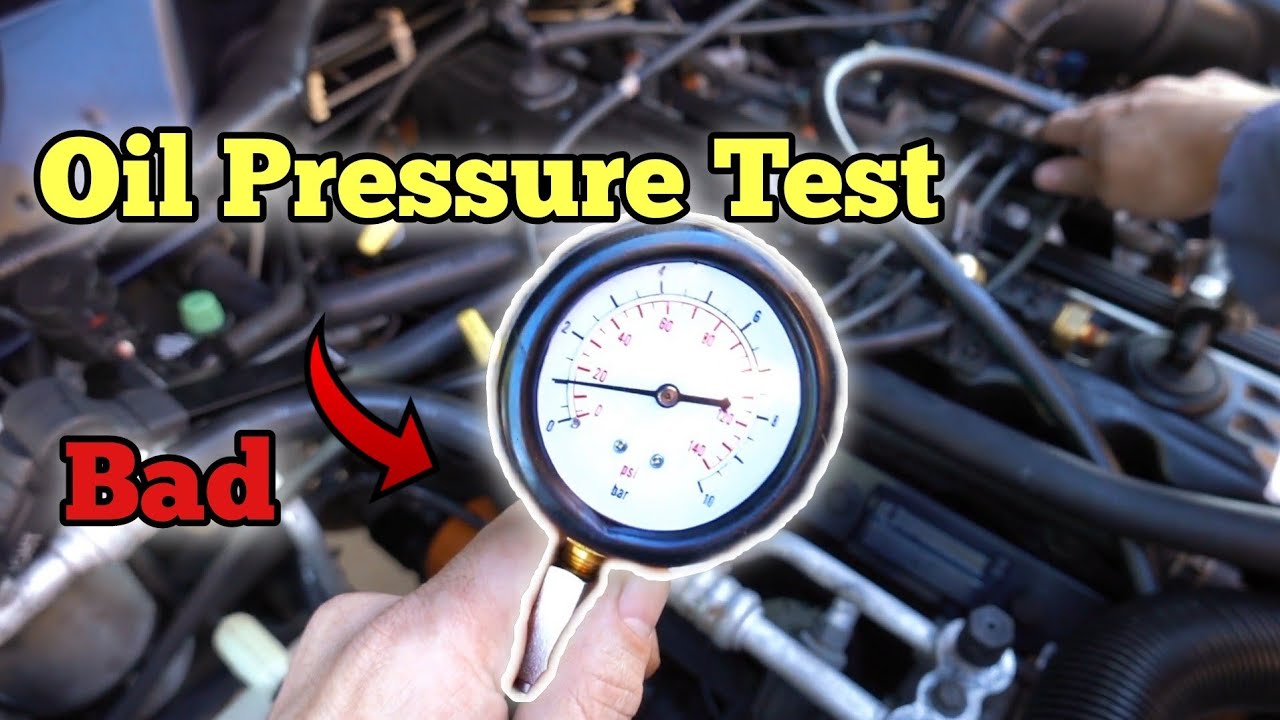
Understanding Jeep Oil Pressure and Lubrication Systems
The Complete Guide to Jeep Oil Pressure Testing and Lubrication Diagnosis starts with understanding how the lubrication system works. The oil pump pulls oil from the oil pan and pushes it through passages inside the engine. This oil reaches bearings, camshafts, lifters, and other moving parts.
Oil pressure does not measure how much oil exists in the engine. It measures the resistance that keeps oil moving through the system. A healthy engine needs the correct balance of oil volume and pressure.

- ✦ Oil pump function
The oil pump creates flow and pressure by moving engine oil through internal passages.
- ✦ Engine bearing protection
Oil pressure supports a protective oil film that reduces metal-to-metal contact.
- ✦ Oil circulation path
Oil travels from the pan through filters and galleries before reaching engine components.
Common Jeep Oil Pressure Problems and Warning Signs
Low oil pressure can damage a Jeep engine if ignored. Drivers may notice warning lights, ticking sounds, louder engine noise, or changes in the oil gauge reading. These signs often appear when oil flow becomes restricted or pressure cannot build correctly.
The Complete Guide to Jeep Oil Pressure Testing and Lubrication Diagnosis shows why symptoms alone are not enough. Testing confirms whether the issue comes from the engine, oil system, or electrical components.

- ✦ Low oil pressure warning
A dashboard warning light may indicate a pressure issue that requires immediate testing.
- ✦ Engine ticking noise
Valve train parts may become noisy when oil supply is reduced.
- ✦ Oil gauge changes
Sudden drops or unstable readings may point to sensor or pressure problems.
Why Jeep Oil Pressure Sensors Fail
Many Jeep models use electronic oil pressure sensors to report engine conditions to the computer. These sensors can fail because of age, contamination, wiring problems, or internal damage.
A failed sensor can create a false low-pressure warning. A mechanical pressure test is the best way to verify the actual engine condition.
- ✦ Sensor contamination
Oil deposits can affect sensor accuracy over time.
How to Perform a Jeep Oil Pressure Test
A proper oil pressure test uses a mechanical gauge connected to the engine oil pressure port. This bypasses the electronic sensor and shows the real pressure produced by the engine.
Before testing, check the oil level, confirm the correct oil type, and inspect for leaks. Testing with incorrect oil conditions can create misleading results.

- ✦ Prepare the engine
Warm the engine to normal operating temperature before measuring pressure.
- ✦ Install a test gauge
Connect the mechanical gauge where the oil pressure sensor normally fits.
- ✦ Compare readings
Compare pressure readings at idle and higher engine speeds with manufacturer specifications.
Tools Needed for Oil Pressure Testing
Most Jeep oil pressure tests require basic tools and careful handling. A quality gauge gives more accurate information than relying only on dashboard readings.
- ✦ Mechanical oil pressure gauge
Measures actual oil pressure directly from the engine.
- ✦ Socket tools
Help remove and install oil pressure sensors safely.
Diagnosing Lubrication System Failures in Jeep Engines
The Complete Guide to Jeep Oil Pressure Testing and Lubrication Diagnosis includes more than checking pressure. A full diagnosis examines oil quality, filter condition, pump performance, and internal engine wear.
A Jeep can have correct oil pressure but still suffer from lubrication problems. Dirty oil, blocked passages, and poor maintenance can reduce long-term engine protection.

- ✦ Oil condition inspection
Check oil color, thickness, contamination, and maintenance history.
- ✦ Oil filter inspection
A restricted filter can affect oil flow and engine protection.
- ✦ Internal wear inspection
Worn bearings can create excessive clearance and reduce pressure.
Jeep Oil Pressure Sensor Testing and Electrical Diagnosis
Electrical problems can imitate mechanical oil pressure failures. A damaged wire, poor connection, or failed sensor may send incorrect information to the engine computer.
Testing the sensor circuit helps avoid unnecessary engine repairs. Always confirm actual oil pressure before replacing expensive engine parts.
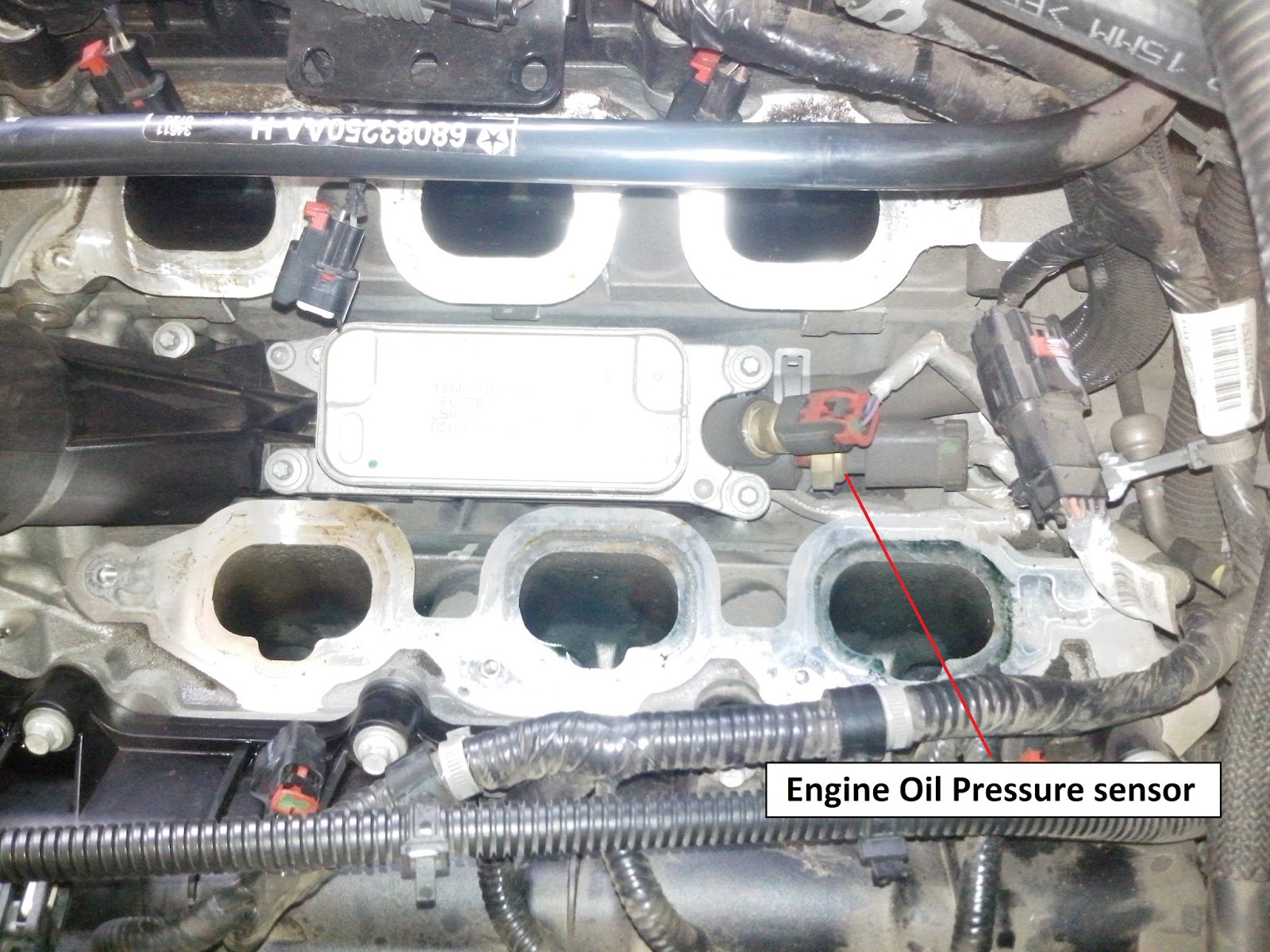
- ✦ Inspect wiring
Look for broken wires, corrosion, or loose electrical connections.
- ✦ Check sensor operation
Compare sensor readings with mechanical gauge results.
Preventive Maintenance for Jeep Lubrication Health
Regular maintenance is the easiest way to avoid lubrication failures. Jeep owners in the USA often face different driving conditions, including towing, off-road use, highway trips, and extreme temperatures.
The Complete Guide to Jeep Oil Pressure Testing and Lubrication Diagnosis shows that prevention costs less than major engine repair. Following proper oil service intervals protects engine performance.
- ✦ Use correct oil specification
Always follow the recommended oil grade and quality requirements.
- ✦ Change oil regularly
Fresh oil helps maintain proper lubrication and heat control.
Frequently Asked Questions about Complete Guide to Jeep Oil Pressure Testing and Lubrication Diagnosis

Jeepexplorerr
Contributor