The Complete Guide to Jeep ABS Traction Control and Stability Control Systems explains how these safety features protect drivers on highways, trails, and everyday roads across the United States. Modern Jeeps use advanced electronic systems to watch wheel movement, detect loss of grip, and react in seconds.
From my experience studying Jeep repair systems, many owners first learn about these features when a warning light appears on the dashboard. Understanding the system before a problem happens makes diagnosis easier and helps prevent unnecessary repairs.
The Complete Guide to Jeep ABS Traction Control and Stability Control Systems covers the parts, operation, common failures, and practical maintenance steps every Jeep owner should know.

Understanding Jeep ABS and Its Role in Vehicle Safety
The anti-lock braking system, known as ABS, is one of the most important parts of Jeep safety technology. It prevents the wheels from locking during hard braking, which allows the driver to keep steering control.
The Complete Guide to Jeep ABS Traction Control and Stability Control Systems starts with ABS because it acts as the foundation for other electronic safety features. The system uses sensors, a control module, and hydraulic components to manage brake pressure.
When driving in rain, snow, gravel, or emergency situations, ABS can help maintain control when normal braking would cause the tires to slide.

- ✦ Wheel speed sensors
These sensors measure how fast each wheel rotates and send data to the ABS control module.
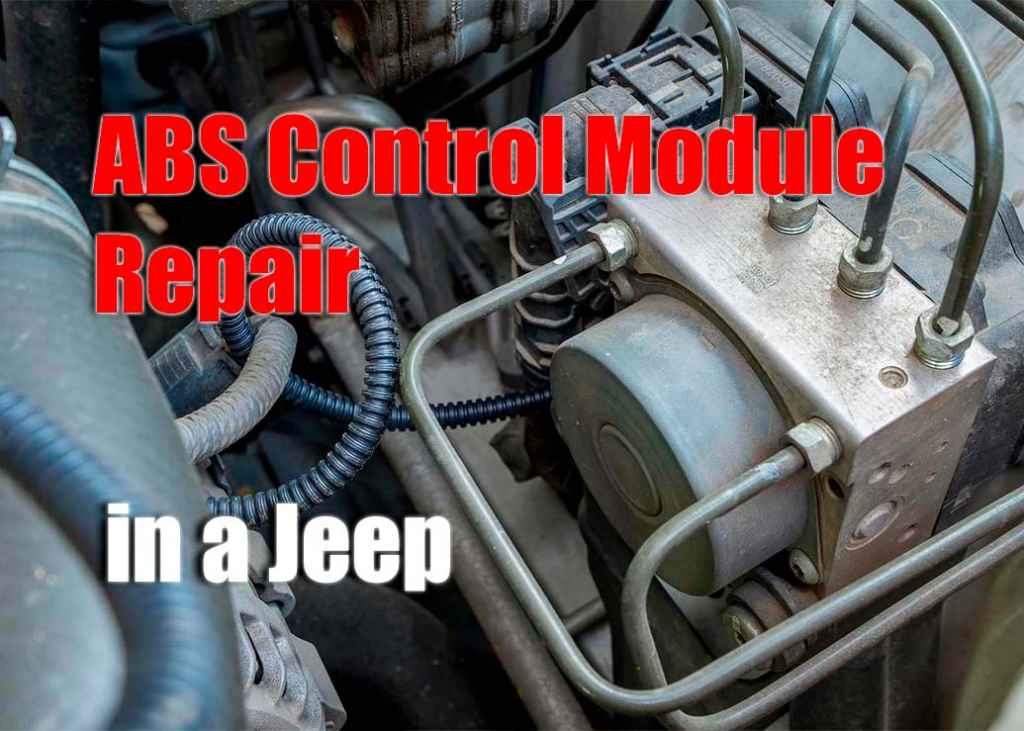
- ✦ ABS control module
The module processes sensor information and adjusts brake pressure when it detects wheel lock.
- ✦ Hydraulic brake unit
This unit controls brake pressure changes to prevent tire skid during braking.
How ABS Works During Emergency Braking
When a Jeep driver presses the brake pedal hard, the ABS system checks wheel speed many times each second. If one wheel slows too quickly, the system reduces brake pressure briefly.
The wheel then regains traction, and braking pressure returns. This process repeats quickly until the Jeep stops or the driver releases the pedal.
- ✦ Maintains steering ability
ABS helps drivers steer around obstacles while braking hard.
How Jeep Traction Control Systems Manage Wheel Slip
Traction control helps a Jeep maintain grip when one or more wheels begin spinning. This is especially useful on wet pavement, loose dirt, snow, and uneven off-road surfaces.
The system works with ABS sensors because it needs wheel speed information to detect when a tire loses traction. It may reduce engine power or apply braking force to a spinning wheel.
The Complete Guide to Jeep ABS Traction Control and Stability Control Systems shows why traction control is valuable for both daily driving and adventure use.

- ✦ Engine power adjustment
The vehicle computer can reduce throttle output when excessive wheel spin occurs.
- ✦ Individual wheel braking
The system can slow a spinning wheel to help send power to wheels with better grip.
Traction Control Benefits for Jeep Drivers
Jeep owners often drive through changing conditions, from city streets to muddy trails. Traction control provides extra support when tire grip changes suddenly.
It does not replace good tires or careful driving, but it improves the vehicle’s ability to respond when traction becomes limited.
- ✦ Improved slippery surface control
Helps reduce unwanted wheel spin on challenging roads.
Jeep Electronic Stability Control Explained
Electronic Stability Control, often called ESC or stability control, helps keep a Jeep moving in the direction the driver intends. It becomes important during sudden steering changes or slippery cornering.
The system compares steering input with actual vehicle movement. If the Jeep begins to slide, the computer can apply individual brakes and reduce engine power.
The Complete Guide to Jeep ABS Traction Control and Stability Control Systems includes stability control because it combines information from ABS, steering sensors, and motion sensors.

- ✦ Yaw sensor
Measures vehicle rotation and helps detect unwanted spinning movement.
- ✦ Steering angle sensor
Tracks the driver’s steering direction for system comparison.
Why Stability Control Matters in Jeeps
Jeeps have a high driving position and are often used on uneven terrain. Stability control adds an extra safety layer when conditions become unpredictable.
The system is designed to support the driver, not replace safe driving habits or proper vehicle handling.
- ✦ Reduces loss of control risk
Helps correct certain sliding conditions before they become severe.
Common Jeep ABS, Traction Control, and Stability Control Warning Lights
Dashboard warning lights are the first sign many Jeep owners notice when an electronic safety system has a problem. Common lights include ABS, traction control, and stability control indicators.
A warning light does not always mean a major failure. Sometimes the cause is a damaged sensor, wiring issue, weak battery voltage, or dirty connection.
The Complete Guide to Jeep ABS Traction Control and Stability Control Systems recommends proper diagnosis before replacing expensive parts.
- ✦ ABS light
Usually indicates a problem with braking system electronics or wheel speed information.
- ✦ Traction control light
May appear when the system detects sensor problems or disabled traction control operation.
- ✦ Stability control light
Can indicate issues with steering, motion sensors, or system communication.
Most Common Causes of Warning Lights
Wheel speed sensor failure is one of the most common causes of ABS and traction control warnings. These sensors operate close to the wheels and can face dirt, water, and physical damage.
Other causes include damaged wiring, faulty control modules, and low battery voltage that affects electronic systems.
- ✦ Sensor damage
A failed sensor can send incorrect wheel speed information.
How to Diagnose Jeep ABS and Traction Control Problems
Proper diagnosis begins with reading trouble codes from the Jeep computer system. A quality scan tool can identify which sensor or module reported a problem.
A visual inspection should follow code reading. Technicians often check wheel sensors, connectors, wiring, battery condition, and brake components before making repairs.
The Complete Guide to Jeep ABS Traction Control and Stability Control Systems emphasizes testing before replacing parts because many issues have simple solutions.

- ✦ Scan diagnostic codes
Use a compatible scanner to find stored ABS and stability system faults.
- ✦ Inspect wiring
Look for broken wires, corrosion, or loose connectors near wheel areas.
When Professional Repair Is Needed
Some repairs require advanced tools and brake system knowledge. ABS modules, hydraulic units, and electronic calibration procedures may need professional service.
A trained technician can confirm the failure and prevent unnecessary part replacement.
- ✦ Module replacement
ABS control modules may require repair or programming after failure.