The Complete Guide to Jeep PCV Systems Crankcase Ventilation and Oil Vapor Control explains how this small but important system keeps modern Jeep engines clean and efficient. Many drivers focus on oil changes and filters, but the PCV system also plays a major role in engine health.
From daily highway trips across the United States to slow off-road driving in dusty conditions, Jeep engines create pressure inside the crankcase. A working PCV system manages that pressure and prevents harmful vapor buildup.
In my experience working with automotive systems, PCV problems are often overlooked because the vehicle may still run. However, a weak PCV valve or damaged hose can slowly create oil leaks, rough idle issues, and increased deposits.

What Is a Jeep PCV System and Why Does It Matter?
The Complete Guide to Jeep PCV Systems Crankcase Ventilation and Oil Vapor Control starts with understanding the purpose of the system. PCV means Positive Crankcase Ventilation. It is designed to move gases from inside the engine crankcase back into the intake system.
During combustion, a small amount of gas passes the piston rings. This is called blow-by. The PCV system captures these gases instead of allowing them to escape into the atmosphere.
A healthy PCV system keeps internal engine pressure balanced. It also helps reduce moisture, sludge, and oil contamination inside the engine.

- ✦ Controls crankcase pressure
The PCV system prevents excessive pressure that can force oil past seals and gaskets.
- ✦ Reduces emissions
It sends harmful vapors back into the combustion process instead of releasing them outside.
- ✦ Protects engine oil
Proper ventilation helps reduce moisture and contaminants that can damage oil quality.
Basic Parts of a Jeep PCV System
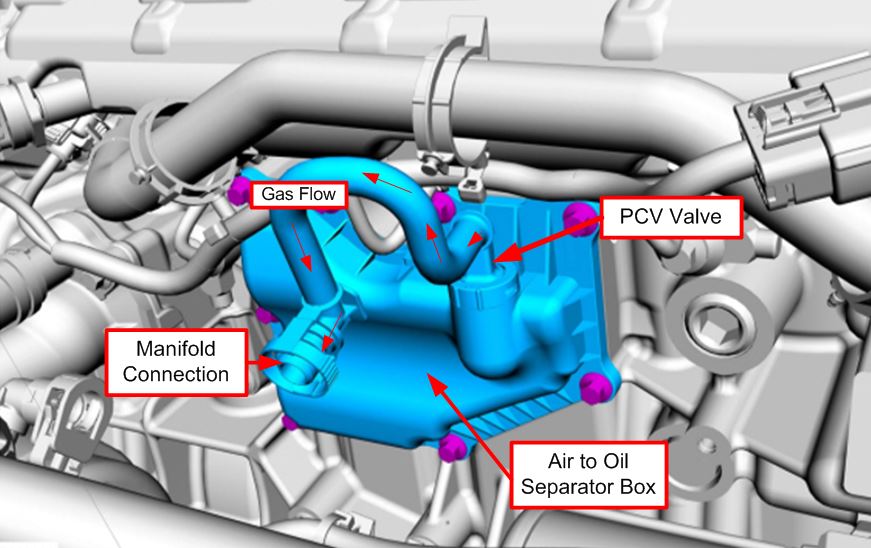
Most Jeep PCV systems include a PCV valve, vacuum hoses, fresh air inlet, and sometimes an oil separator. Each part works together to maintain airflow through the crankcase.
The PCV valve acts like a controlled passage. It changes airflow based on engine vacuum conditions so the engine receives the correct amount of vapor.
- ✦ PCV valve
Regulates the movement of crankcase vapors into the intake system.
- ✦ Vent hoses
Carry clean air into the crankcase and move vapor out.
How Jeep Crankcase Ventilation Works
The Complete Guide to Jeep PCV Systems Crankcase Ventilation and Oil Vapor Control requires a clear look at airflow. Fresh air enters the crankcase while engine vacuum pulls contaminated vapor through the PCV valve.
The vapor travels into the intake manifold where the engine burns it. This process reduces pollution while recovering energy from gases that would otherwise be wasted.
When the engine operates under different loads, the PCV valve adjusts airflow to prevent too much or too little ventilation.
- ✦ Fresh air enters
Clean air replaces contaminated crankcase gases through the ventilation path.
- ✦ Vapor moves through the PCV valve
The valve controls airflow using engine vacuum.
- ✦ Engine burns vapors
The intake system sends the vapors into combustion chambers.
Common Jeep PCV System Problems and Warning Signs
A failing PCV system can create problems that appear unrelated to ventilation. Many Jeep owners first notice oil consumption, leaks, or engine performance changes.
The Complete Guide to Jeep PCV Systems Crankcase Ventilation and Oil Vapor Control helps identify these issues before they become expensive repairs. Simple inspections can often reveal damaged hoses or clogged valves.
A PCV valve is usually inexpensive, but ignoring the system can allow pressure problems to affect seals and engine cleanliness.

- ✦ Oil leaks
Excess crankcase pressure can push oil past seals and gaskets.
- ✦ Rough idle
A stuck PCV valve may create an unwanted vacuum leak.
- ✦ Oil sludge
Poor ventilation allows moisture and contaminants to collect in engine oil.
Symptoms Jeep Owners Should Watch For
Common signs include hissing sounds, increased oil use, check engine lights, and oily intake components. These symptoms may have other causes, so proper diagnosis matters.
A visual inspection of hoses and connections is a simple first step for many Jeep owners.
- ✦ Inspect hoses
Look for cracks, soft spots, or disconnected ventilation lines.
Oil Vapor Control and Its Role in Jeep Engine Protection
Oil vapor control is a major part of modern engine design. During operation, engine oil can mix with blow-by gases and travel through the ventilation system.
The Complete Guide to Jeep PCV Systems Crankcase Ventilation and Oil Vapor Control shows why managing these vapors matters. Too much oil vapor entering the intake can contribute to carbon deposits over time.
Some Jeep engines use oil separators or integrated systems to reduce the amount of oil carried with the airflow.
- ✦ Reduces intake deposits
Oil separation helps keep intake passages cleaner.
- ✦ Improves engine cleanliness
Controlled vapor flow reduces contamination inside engine components.
PCV Systems and Modern Jeep Engines
Modern Jeep engines use advanced emission controls that depend on proper ventilation. The PCV system works with sensors and engine computers to maintain efficient operation.
Changing the system design or adding aftermarket parts requires careful consideration because airflow balance is important.
- ✦ Factory calibration
Original PCV systems are designed to match engine airflow needs.
Jeep PCV Maintenance Tips for Long-Term Reliability
The Complete Guide to Jeep PCV Systems Crankcase Ventilation and Oil Vapor Control includes practical maintenance steps that fit normal Jeep ownership. The PCV system does not usually require frequent service, but it should not be ignored.
Regular checks during oil changes are a smart habit. This allows owners to catch damaged hoses or clogged components before they affect engine operation.
For Jeep drivers who tow, off-road, or drive in extreme weather, ventilation checks become even more valuable.

- ✦ Check during oil service
Inspect PCV parts whenever routine engine maintenance is performed.
- ✦ Use correct replacement parts
Factory-style components help maintain proper airflow control.
- ✦ Monitor oil condition
Changes in oil quality may reveal ventilation problems.
PCV Valve Replacement and Repair Considerations
Replacing a Jeep PCV valve is often a simple repair, but the exact process depends on the engine design. Some models place the valve in an easy-to-reach location, while others require more access.
The Complete Guide to Jeep PCV Systems Crankcase Ventilation and Oil Vapor Control recommends checking the full system instead of replacing only the valve. A new valve cannot fix cracked hoses or blocked passages.
Professional diagnosis may be useful when symptoms continue after basic maintenance.

- ✦ Inspect the complete system
Check valves, hoses, fittings, and separators together.
- ✦ Avoid unnecessary modifications
Changes to ventilation flow may affect engine operation.