Jeep Steering and Suspension Systems Across Different Jeep Models are designed around one main goal: giving drivers confidence on roads, trails, and changing terrain. A Jeep used for daily driving in the United States needs a different setup than one built for serious rock crawling.
From my experience studying Jeep platforms, the biggest differences come from suspension design, steering geometry, ride height, and electronic assistance. Understanding these systems helps owners choose the right upgrades and avoid unnecessary repairs.
Modern Jeep models combine traditional mechanical strength with advanced technology. Features like electric power steering, adaptive suspension, and stability systems now work together with classic 4×4 engineering.
How Jeep Steering and Suspension Systems Work Together
The steering system controls the direction of the Jeep, while the suspension system manages wheel movement, comfort, and traction. These two systems must work together because poor suspension performance can affect steering response.
Jeep vehicles often use strong components because many owners drive on uneven surfaces. Heavy-duty axles, durable control arms, and specialized steering parts help maintain stability during off-road use.
- ✦ Steering Components
Common parts include the steering wheel, steering column, rack or steering box, tie rods, and power assistance systems.
- ✦ Suspension Components
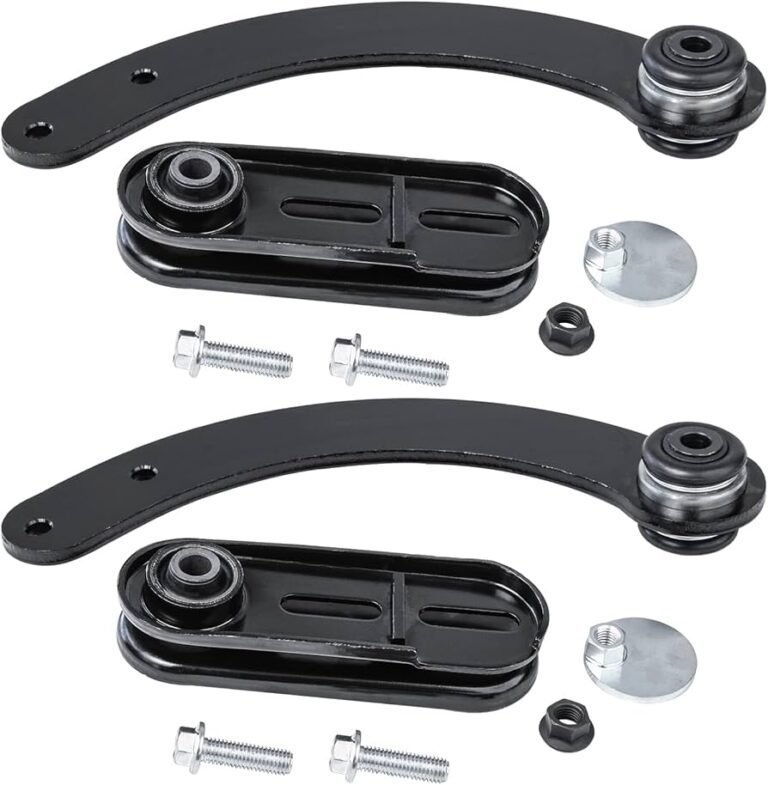
Important parts include springs, shocks, control arms, sway bars, and suspension links that control wheel movement.
Jeep Wrangler Steering and Suspension System Explained
The Jeep Wrangler is built for off-road performance. Its suspension system allows large wheel movement, which helps keep tires connected to uneven terrain.
Most Wrangler generations use a solid axle suspension design. This setup provides excellent articulation but can feel different from modern independent suspension systems during highway driving.
- ✦ Solid Axle Design
Solid axles improve durability and traction during difficult trails because both wheels remain connected through the axle assembly.
- ✦ Lift Compatibility
Wrangler owners often install lift kits, upgraded shocks, and stronger steering parts for improved off-road capability.
Common Wrangler Steering Concerns
Some Wrangler owners report steering vibration, loose steering feel, or alignment issues after suspension modifications. Proper installation and regular inspections are important.
- ✦ Alignment Checks
Correct alignment helps reduce uneven tire wear and improves highway stability.
Jeep Gladiator Suspension and Steering Design
The Jeep Gladiator shares many Wrangler-based engineering features but adds pickup truck capability. Its suspension is designed to support cargo while maintaining off-road performance.
The Gladiator uses strong suspension components that help handle towing, hauling, and trail driving. This makes it a unique option for drivers who need both utility and adventure capability.
- ✦ Truck-Based Strength
Gladiator suspension parts are designed to handle additional weight from cargo and towing demands.
- ✦ Off-Road Balance
The suspension provides articulation while keeping the vehicle stable during daily use.
Jeep Grand Cherokee Steering and Suspension Technology
The Jeep Grand Cherokee focuses more on comfort, luxury, and road performance while keeping strong Jeep capability. Many versions use advanced suspension technology that improves ride quality.
Unlike traditional Wrangler designs, some Grand Cherokee models feature independent front suspension systems and available air suspension systems.
- ✦ Air Suspension
Available air suspension can adjust ride height for easier entry, highway comfort, and improved off-road clearance.
- ✦ Electronic Assistance
Modern systems use sensors and computers to improve stability and steering response.
Jeep Cherokee and Renegade Suspension Differences
Smaller Jeep models such as Cherokee and Renegade use designs focused on everyday driving efficiency. They provide Jeep styling and capability while offering smoother road behavior.
These models commonly use independent suspension layouts that improve comfort, handling, and fuel efficiency for city and highway driving.
- ✦ Daily Driving Focus
Independent suspension systems help create a smoother ride on normal roads.
- ✦ Compact Jeep Capability
Smaller Jeep models still include traction systems designed for changing weather and light off-road conditions.
Common Jeep Steering and Suspension Problems
Like any vehicle, Jeep steering and suspension systems can develop wear over time. Heavy off-road use, larger tires, and modified suspension setups can increase stress on components.
Early inspection can prevent small problems from becoming expensive repairs.
- ✦ Loose Steering Feel
Worn tie rods, steering components, or alignment issues can create poor steering response.
- ✦ Uneven Tire Wear
Incorrect alignment or worn suspension parts can cause uneven tire patterns.
- ✦ Suspension Noise
Clunks and squeaks may indicate worn bushings, shocks, or suspension joints.