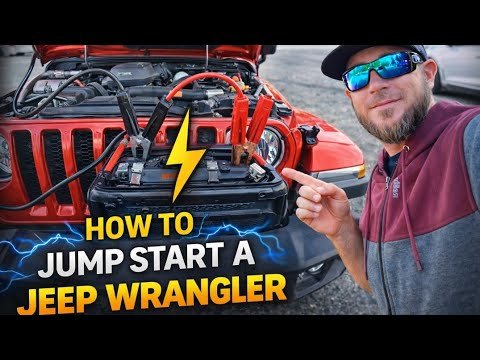
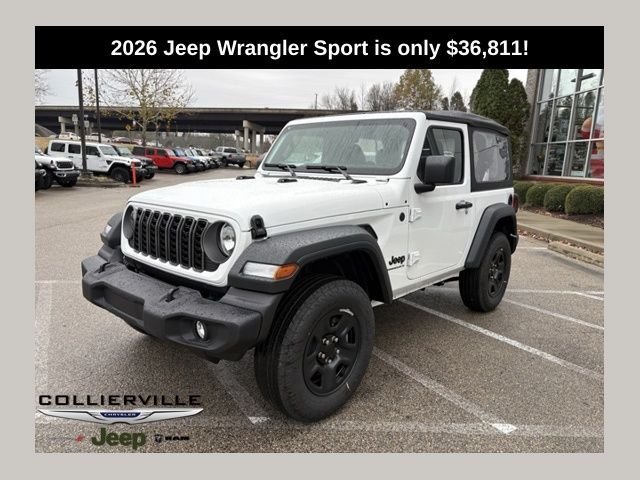
Jeep Preventive Maintenance Inspection and Long-Term Vehicle Care is the foundation of owning a dependable Jeep in the United States. Whether you drive a Wrangler through trails, a Grand Cherokee for family trips, or a Compass for daily commuting, routine care protects your investment.
After working with vehicle maintenance plans, one lesson stands out: most costly Jeep repairs start with small problems that were ignored. A simple inspection can reveal worn fluids, loose parts, tire issues, or early warning signs before they affect performance.

Why Jeep Preventive Maintenance Inspection and Long-Term Vehicle Care Matters
Jeep vehicles are built for different environments. Many owners use them for highways, rough roads, towing, camping, and off-road driving. These conditions create extra stress on important systems.
Jeep Preventive Maintenance Inspection and Long-Term Vehicle Care helps maintain performance by checking parts before failure happens. A proactive approach can improve safety, reduce repair costs, and extend vehicle life.

- ✦ Early Problem Detection
Regular inspections help identify leaks, worn parts, unusual noises, and warning signs before they become major failures.
- ✦ Better Vehicle Reliability
Consistent service keeps critical systems working correctly during everyday driving and demanding conditions.
- ✦ Higher Resale Value
A Jeep with documented maintenance usually attracts more buyers because it shows responsible ownership.
Understanding Your Jeep’s Maintenance Needs
Every Jeep model has unique service needs. Engine type, mileage, driving style, climate, and road conditions all affect maintenance timing.
A Jeep used for frequent off-road trips may need more inspections than one used only for highway driving.
Essential Jeep Inspection Checklist for Long-Term Reliability
A complete Jeep inspection covers safety items, mechanical systems, and electronic components. Owners should follow a routine checklist instead of waiting for symptoms.
Jeep Preventive Maintenance Inspection and Long-Term Vehicle Care works best when inspections happen at regular intervals and after demanding trips.

- ✦ Engine Inspection
Check oil condition, leaks, belts, hoses, filters, and unusual engine sounds.
- ✦ Brake System Check
Inspect brake pads, rotors, fluid levels, and electronic braking systems.
- ✦ Suspension and Steering Review
Check shocks, bushings, joints, alignment, and steering response.
- ✦ Tire Inspection
Monitor tread depth, pressure, uneven wear, and damage from rough terrain.
Jeep Fluid Maintenance and Mechanical System Care
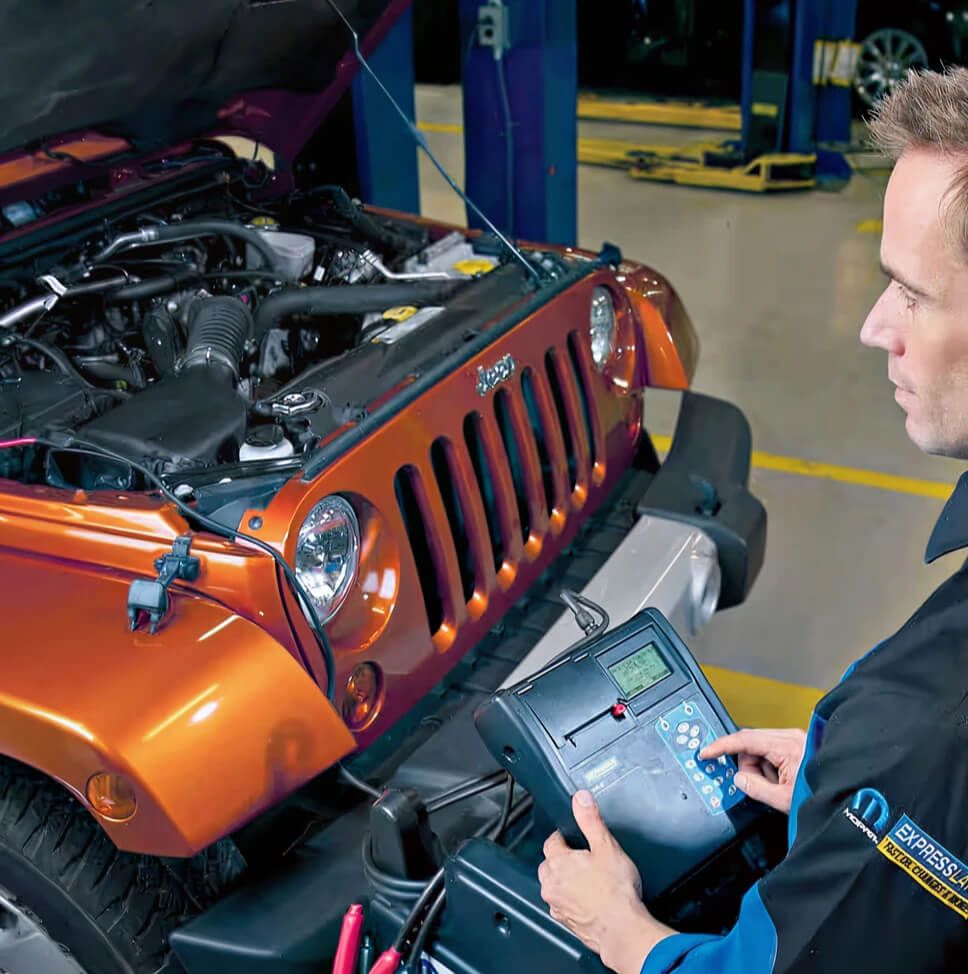
Fluids protect many Jeep components from heat, friction, and wear. Neglecting fluids can reduce performance and create expensive damage.
Engine oil, coolant, brake fluid, transmission fluid, differential fluid, and transfer case fluid should all be checked based on the manufacturer’s recommendations and driving conditions.
- ✦ Engine Oil
Clean oil protects internal engine parts and supports smooth operation.
- ✦ Coolant System
Proper coolant levels help prevent overheating during hot weather and heavy loads.
- ✦ Transmission Fluid
Correct fluid condition supports smooth shifting and transmission protection.
Why Fluid Checks Should Not Be Ignored
Many Jeep problems develop slowly because old fluids lose their ability to protect parts. Regular fluid inspections are a simple way to prevent damage.
Owners who follow Jeep Preventive Maintenance Inspection and Long-Term Vehicle Care routines often avoid unexpected breakdowns.
Routine Service Schedule for Different Jeep Models
A Jeep maintenance schedule depends on the model and usage pattern. Wrangler owners may focus more on suspension and drivetrain checks, while Grand Cherokee owners may need attention on comfort and electronic systems.
Following a structured service plan keeps maintenance predictable and prevents important tasks from being forgotten.

- ✦ Regular Mileage Checks
Perform inspections during common service intervals to monitor wear and vehicle condition.
- ✦ Seasonal Maintenance
Prepare your Jeep for winter, summer heat, towing, or off-road seasons.
High Mileage Jeep Care
Older Jeeps need more attention because rubber parts, seals, and suspension components naturally wear over time.
High mileage does not mean a Jeep is unreliable when owners follow careful maintenance habits.
Common Jeep Problems Preventive Maintenance Can Help Avoid
Many Jeep repairs become expensive because owners wait until symptoms become severe. Preventive inspections help catch these problems early.
Jeep Preventive Maintenance Inspection and Long-Term Vehicle Care focuses on prevention instead of emergency repairs.
- ✦ Battery Failure
Battery testing helps prevent starting problems and electrical failures.
- ✦ Cooling System Issues
Checking hoses, coolant, and temperature levels reduces overheating risks.
- ✦ Suspension Wear
Early inspection helps maintain handling quality and ride comfort.
Best Long-Term Care Habits for Jeep Owners
Long-term Jeep ownership depends on daily habits as much as scheduled service. Small actions can protect your vehicle every week.
Experienced Jeep owners often keep maintenance records, inspect their vehicles after trips, and address small concerns quickly.
- ✦ Keep Maintenance Records
Documenting repairs and services creates a clear history of vehicle care.
- ✦ Clean After Off-Road Use
Removing dirt, mud, and salt helps protect components from corrosion.
- ✦ Pay Attention to Warning Signs
Unusual sounds, vibrations, leaks, or warning lights should receive attention quickly.