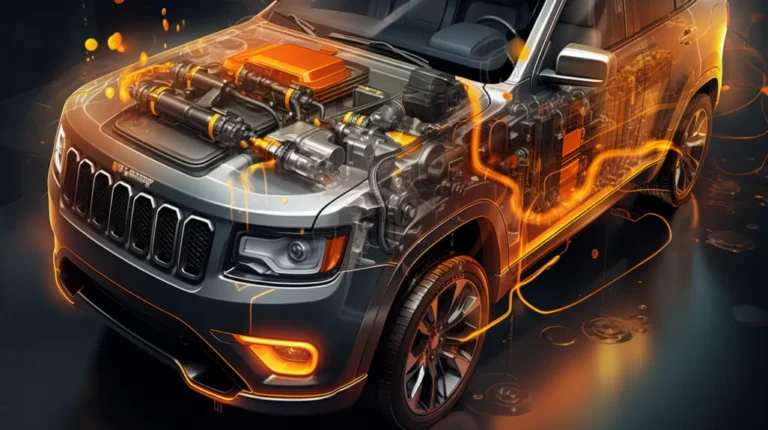
Jeep vehicles have changed from simple mechanical machines into advanced vehicles with complex electrical networks. Modern models use computers, sensors, and smart charging systems to control everything from engine starting to fuel savings. A strong understanding of Jeep Electrical Architecture Batteries Alternators and Starting Systems helps owners maintain reliability and prevent unexpected failures.
From my experience studying vehicle electrical systems, the biggest mistakes owners make are ignoring battery condition and assuming every electrical issue comes from the alternator. A Jeep can have starting problems, warning lights, or charging issues because of weak connections, damaged cables, poor grounding, or battery management system faults.

Understanding Jeep Electrical Architecture and Power Distribution
Jeep Electrical Architecture Batteries Alternators and Starting Systems begin with the way power moves through the vehicle. The battery stores electrical energy, the alternator creates power while the engine runs, and wiring delivers electricity to different components.
Older Jeep models used simpler wiring layouts. Newer Jeep vehicles use electronic control modules that communicate with each other. These modules monitor voltage, temperature, charging demand, and power usage to improve efficiency.
- ✦ Battery system
Stores energy needed for starting the engine and supporting electrical devices when the engine is off.
- ✦ Power control modules
Manage electrical signals between sensors, computers, lighting, safety systems, and engine components.
- ✦ Wiring network
Transfers electrical power and communication signals throughout the Jeep.
How Modern Jeep Electrical Networks Work
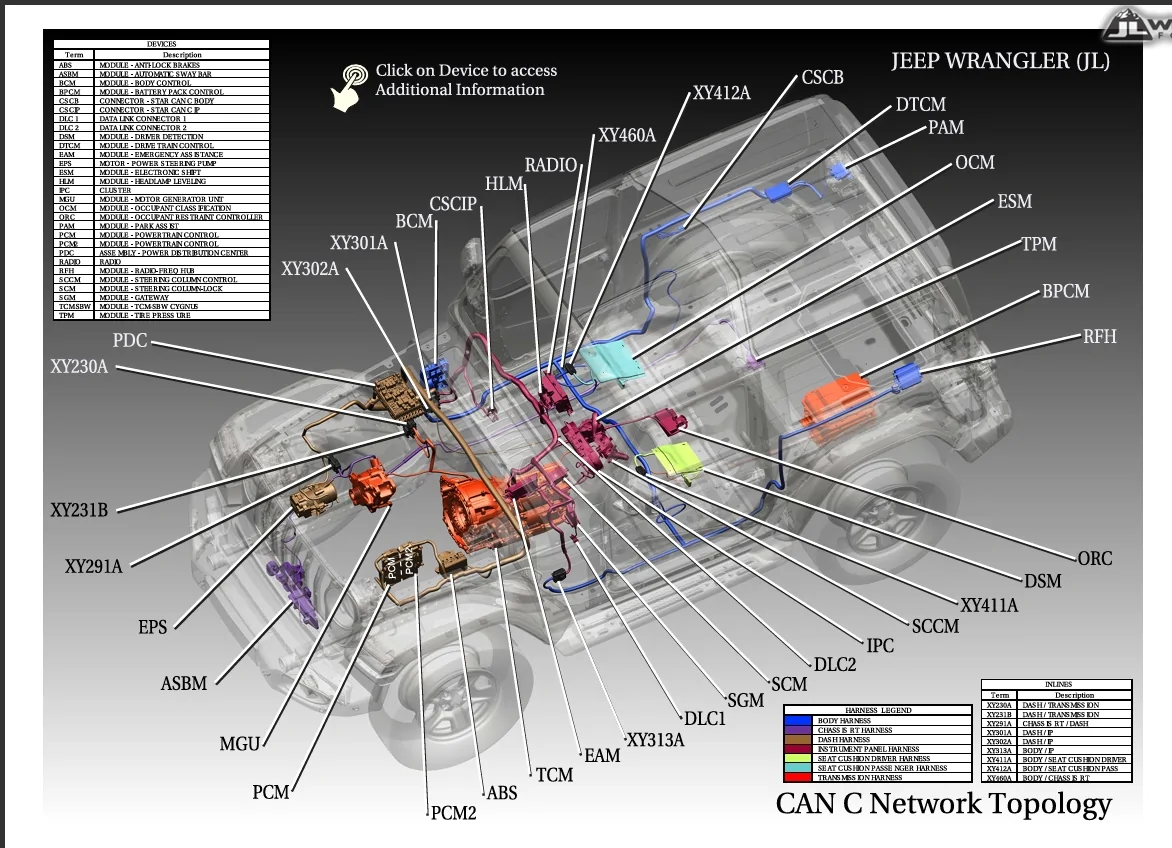
Modern Jeep models use a network of computers called control modules. These modules share information through communication systems that allow fast control of vehicle functions.
This design improves performance but also means electrical diagnosis requires more than checking a single fuse or battery cable.
- ✦ Smart monitoring
Sensors track electrical demand and help the vehicle adjust charging performance.
Jeep Battery Systems and Battery Technology
The battery is the foundation of Jeep Electrical Architecture Batteries Alternators and Starting Systems. It provides the first burst of energy needed to turn the starter motor and keep electrical systems active when the engine is not running.
Most Jeep models use 12-volt batteries, but newer vehicles may include additional batteries for features such as Engine Stop-Start technology. Battery type and quality affect reliability, especially in extreme heat or cold conditions common across different parts of the United States.
- ✦ Lead-acid batteries
Traditional batteries provide dependable starting power and are common in many Jeep vehicles.
- ✦ AGM batteries
Absorbent Glass Mat batteries offer better vibration resistance and support vehicles with higher electrical demands.
- ✦ Auxiliary batteries
Some Jeep models use smaller secondary batteries to support start-stop systems and electronic functions.
Signs of a Weak Jeep Battery
A weak battery often shows warning signs before complete failure. Slow engine cranking, dim lights, electronic errors, and clicking sounds during startup are common symptoms.
Testing battery voltage and inspecting terminals regularly can prevent many roadside problems.
- ✦ Slow starting
The engine turns over slowly because the battery cannot provide enough current.
- ✦ Electrical warnings
Low voltage can trigger warning messages from Jeep control modules.
Jeep Alternators and Charging System Operation
The alternator keeps the Jeep battery charged after the engine starts. It converts mechanical energy from the engine into electrical energy that powers vehicle systems.
In Jeep Electrical Architecture Batteries Alternators and Starting Systems, the alternator is controlled by smart charging technology in many newer models. The system adjusts output based on battery condition and electrical demand.

- ✦ Alternator output
Provides electrical power for headlights, computers, climate systems, and battery charging.
- ✦ Voltage regulator
Controls charging voltage to protect the battery and electrical components.
- ✦ Drive belt connection
Transfers engine movement to the alternator so it can generate power.
Common Jeep Alternator Problems
Alternator failure can create many symptoms that look like battery problems. A failing alternator may cause repeated battery drain, flickering lights, or electrical system shutdowns.
A professional diagnosis should test both battery condition and alternator charging performance.
- ✦ Low charging voltage
The alternator cannot maintain enough power for vehicle operation.
Jeep Starting Systems and Starter Motor Technology
The starting system converts electrical energy into engine movement. When the driver turns the key or presses the start button, the battery sends power to the starter motor.
Jeep Electrical Architecture Batteries Alternators and Starting Systems rely on strong connections between the battery, starter, ignition system, and control modules for reliable engine operation.

- ✦ Starter motor
Uses electrical power to rotate the engine until combustion begins.
- ✦ Starter relay
Controls the high current flow needed by the starter motor.
- ✦ Ignition control
Allows the vehicle computer to confirm conditions before starting.
Why Jeep Starting Problems Happen
Starting failures can come from weak batteries, damaged starter motors, corroded cables, or electronic control issues.
A proper diagnosis starts with checking battery voltage, terminal condition, and starter operation.
- ✦ Clicking sound
Often indicates low battery power or starter relay issues.
Jeep Engine Stop-Start Systems and Auxiliary Batteries
Many newer Jeep models include Engine Stop-Start technology, often called ESS. This system turns the engine off during stops to reduce fuel use and restarts it automatically when needed.
The ESS system requires careful battery management because frequent starts create higher electrical demands. Jeep Electrical Architecture Batteries Alternators and Starting Systems include special controls to support this feature.

- ✦ ESS battery support
An auxiliary battery may help maintain power during engine restart events.
- ✦ Battery monitoring sensor
Tracks battery status and helps control charging behavior.
Maintaining Jeep ESS Systems
Using the correct battery type is important for vehicles equipped with start-stop technology. Installing an incorrect battery can create charging and performance issues.
Regular battery testing helps keep ESS functions working correctly.
Electrical Maintenance Tips for Jeep Owners
Proper maintenance keeps Jeep Electrical Architecture Batteries Alternators and Starting Systems reliable for daily driving, towing, and off-road adventures.
Small issues like loose terminals or poor grounds can create complex electrical symptoms. Regular inspections can save time and repair costs.
- ✦ Inspect battery terminals
Clean corrosion and make sure connections are tight.
- ✦ Check charging voltage
Verify the alternator maintains proper system voltage.
- ✦ Protect wiring
Avoid damaged cables and exposed connections during off-road use.