Repair rust on a Jeep frame by assessing damage, cutting out rotten metal, welding patches, and sealing.
I’ve rebuilt and repaired Jeep frames for years. This guide on how to repair jeep frame rust damage shows step-by-step methods you can trust. I explain how to inspect damage, decide between patching or replacing, do safe weld repairs, and protect the frame long term. Read on to get clear, practical steps you can use today.
Assessing the damage
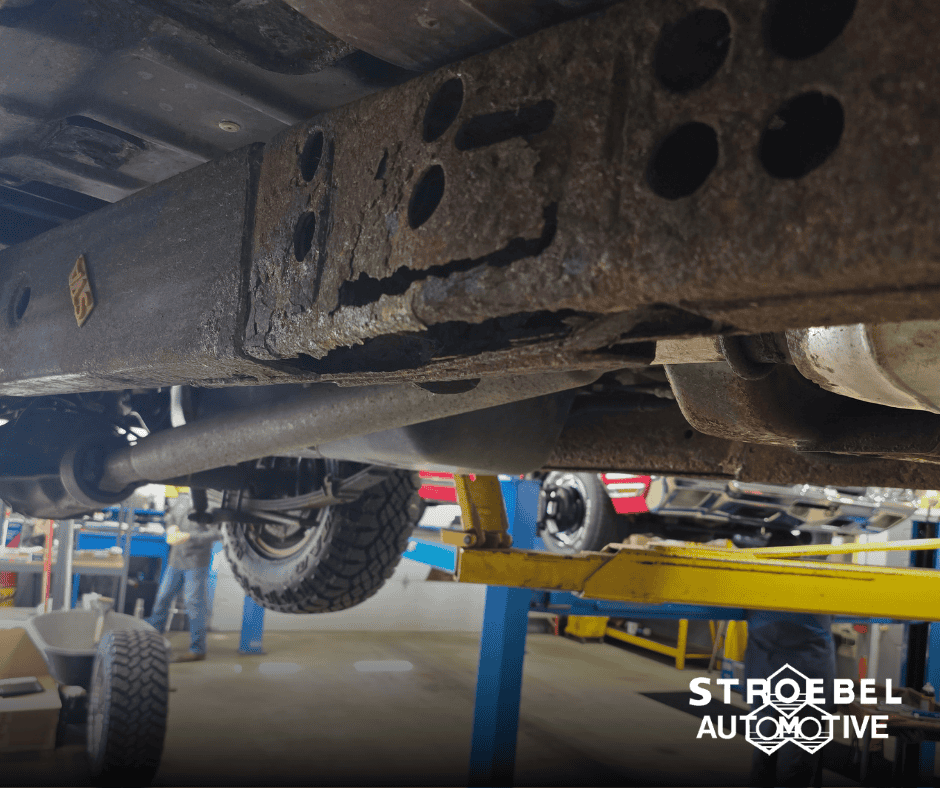
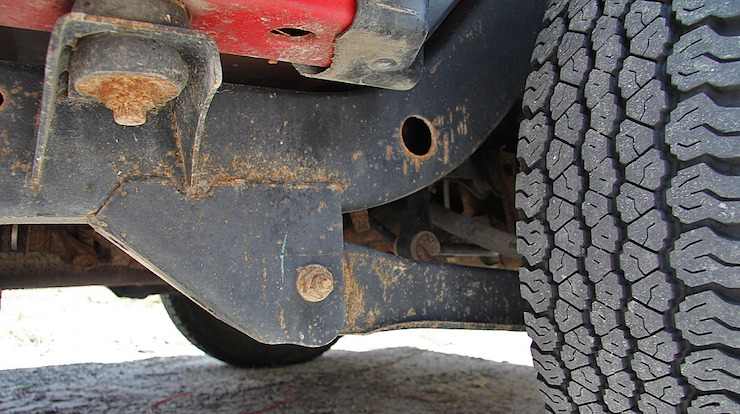
Start with a full inspection. Put the Jeep on level ground and lift it safely. Look for flaking metal, holes, bubbling paint, and cracked welds.
Tap suspect areas with a hammer or screwdriver. Soft spots and holes mean the metal has lost strength. Measure how much metal is affected to decide repair type.
Common outcomes include surface rust, localized rust-through, and widespread frame rot. Knowing which you have helps plan tools and cost. This step sets the whole repair process in motion and reduces surprises.
Safety first: preparation and lifting
Wear gloves, eye protection, and a welding helmet when needed. Use jack stands on solid ground. Never rely on a jack alone.
Disconnect the battery before grinding or welding. Keep a fire extinguisher nearby. Good prep keeps you safe and protects the Jeep’s systems.

Tools and materials needed
You will need basic and specialized tools. Common items:
- Wire brush or grinder with a wire wheel
- Angle grinder with cut-off wheel
- MIG or stick welder and welding supplies
- Metal patches or steel tubing for braces
- Rust converter, epoxy primer, seam sealer, and undercoating
- Drill, spot weld cutter, and clamps
Buy replacement frame sections if the rust is severe. Use quality steel and corrosion-resistant paints. Having the right gear shortens the job and makes results last.
Step-by-step repair methods
Below are step-by-step methods for typical cases. Choose the one that matches your Jeep’s condition. Each method keeps safety and frame strength as top priorities.
Surface rust removal and protection
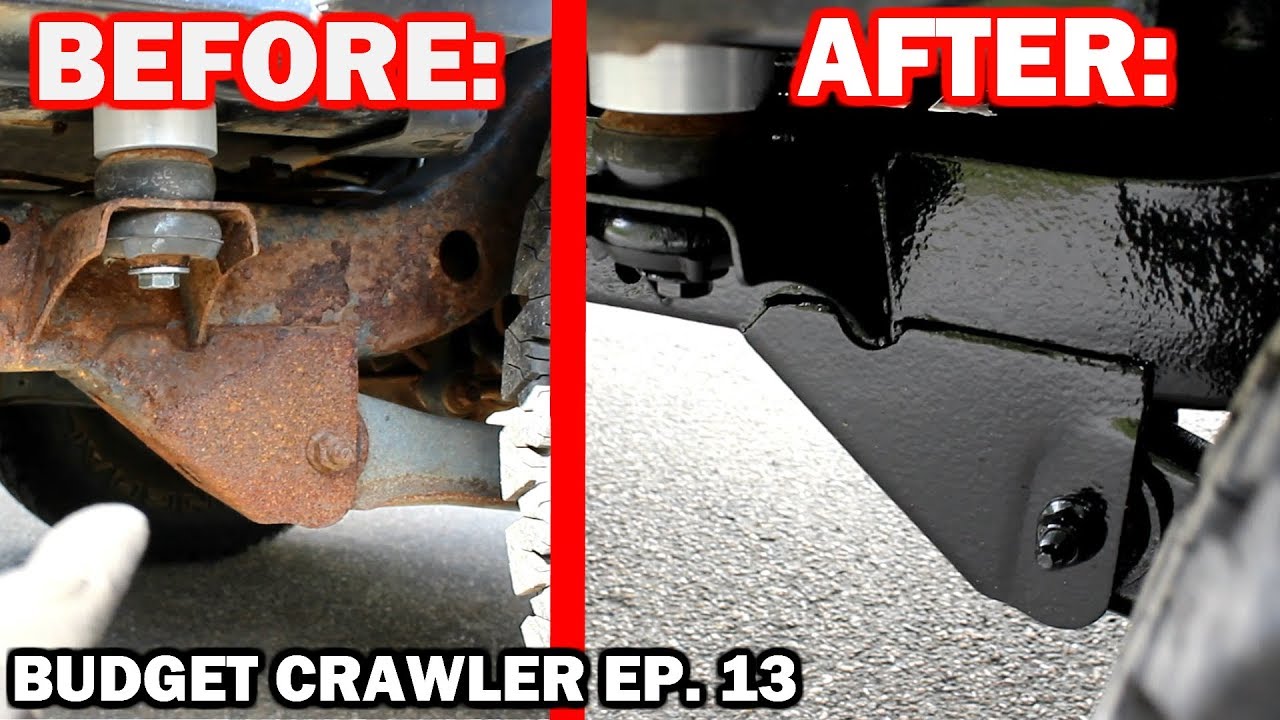
- Clean the area with a wire brush or grinder to bare metal.
- Apply rust converter to neutralize any remaining rust.
- Prime with epoxy primer and finish with chassis paint or undercoat.
This fixes light corrosion fast. Surface fixes stop rust spread and restore a clean look.
Patching small holes and weak spots
- Cut a patch from 14–18 gauge steel that fits with 1/4 inch overlap.
- Grind out paint and thin metal to solid base around the hole.
- Clamp the patch and stitch-weld small spots every 1–2 inches to reduce heat warping.
- Grind welds smooth, apply seam sealer, then primer and undercoating.
Patching works well for local damage. It keeps strength when done with proper weld penetration and good fit-up.
Large rust-through: cutting and welding new sections
- Mark the bad metal and cut back to solid metal with a grinder.
- Straighten and prep mating surfaces. Use backing strips if needed.
- Fit a full-section replacement or plate and weld continuously where structure requires it.
- Check for square and alignment as you weld to avoid frame twist.
This is heavy work. Clean welds and full-penetration joins restore original strength. If the frame rail is part of a mounting point, weld with care and measure often.
When to replace frame sections or the entire frame
- Replace a section when the rust is localized and a new plate restores strength.
- Replace full rails or the entire frame if corrosion affects multiple mounting points or causes severe loss of cross-section.
- Consider a frame-off restoration if floors, mounts, and frame all need renewal.
Full replacement is costly. But in many cases, replacing a ruined rail is safer and more cost effective than patching repeatedly.
DIY versus professional welding
- DIY suits surface rust, small patches, and confident welders with the right tools.
- Get a pro when you need structural welds on critical mounts, full rail replacement, or when you lack welding experience.
From my experience, I patched many trail Jeeps myself. I took on larger rail jobs after training and real practice. When you doubt your welds, hire a certified welder to avoid safety risks.

Preventive treatments and maintenance
After repair, protect the frame to stop rust return. Steps:
- Clean and apply epoxy primer to bare steel.
- Use seam sealer on joints and cavities.
- Coat with heavy-duty undercoating or rubberized spray.
- Fill frame tubes with cavity wax or corrosion-inhibiting spray.
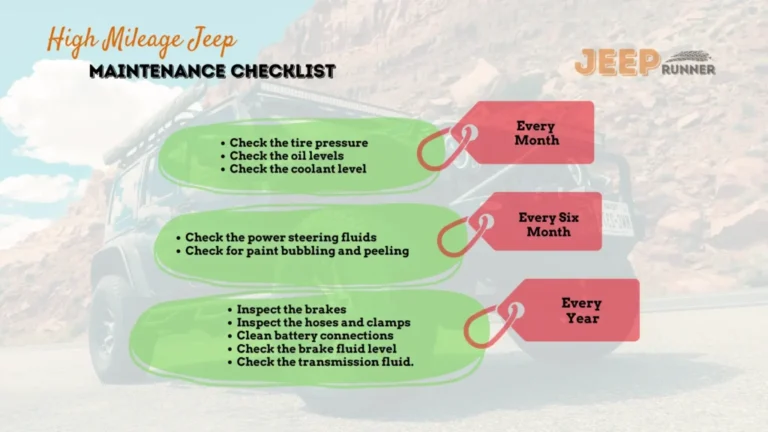
Inspect the frame twice a year and after wet or salted-road driving. Simple maintenance keeps your repair working for years. Prevention saves money and time.

Cost, time, and when to seek professional help
Estimate cost by scope:
- Surface repair: a few hours, low material cost.
- Patching a rail: a day or two, moderate cost for steel and paint.
- Full rail replacement: multiple days and higher labor cost.
Time depends on skill and tools. Expect a weekend for small jobs and a week for major rail repairs. Seek a professional if structural mounts, suspension, or steering attach to the corroded section. A bad weld or missed corrosion can cause failure on the road.

Signs your Jeep frame is unsafe
Look for:
- Visible holes at suspension or engine mounts.
- Frame rails that flex or deform under load.
- Broken welds or attachments.
- Rust so deep metal flakes away at touch.
If you see these signs, do not drive far. Have the Jeep towed to a shop or perform emergency repairs. Safety matters more than saving a few dollars.
Personal tips and common mistakes to avoid
I’ve learned the hard way. These tips help:
- Cut out all bad metal. Leaving thin metal invites return rust.
- Avoid over-welding; too much heat warps frames.
- Use proper filler metals matched to steel grade.
- Protect interior cavities after welding to stop hidden rust.
A common mistake is patching without treating the surrounding area. That quick fix fails fast. Take time to prep and protect for long-term results.

People-also-ask style clarifications (short answers)
What if the rust is only surface-level? Apply rust converter, prime, and undercoat to stop spread and restore appearance.
Can you weld through rust? No. Remove rust to sound metal before welding to get a strong weld.
How long will a proper repair last? With good prep and protection, a welded repair can last many years, often as long as the vehicle’s remaining life.
Frequently Asked Questions of how to repair jeep frame rust damage
What is the first step in repairing a rusted Jeep frame?
Inspect the frame thoroughly and lift the vehicle safely. Identify areas of surface rust, holes, and weakened welds before deciding on repairs.
Can I weld a rusted frame myself?
You can weld small patches if you have experience and a proper welder. For critical mounts and major cuts, a professional welder is recommended to ensure safety.
How do I know whether to patch or replace a section?
Patch when rust is localized and metal thickness is mostly intact. Replace a section when holes, loss of cross-section, or multiple damaged mounting points exist.
What coatings work best after a frame repair?
Use epoxy primer and seam sealer followed by rubberized undercoating. For internal cavities, apply cavity wax or corrosion inhibitor.
How often should I check for rust after repair?
Inspect the frame at least twice a year and after salty or wet seasons. Early detection lets you treat issues before they need big repairs.
Is frame rust dangerous to drive on?
Yes, severe rust can weaken mounting points and frame rails, risking failure when driving. If you see structural rust, avoid long trips and get repairs done.
Conclusion
You can learn how to repair jeep frame rust damage with careful inspection, the right tools, and proper welding technique. Start by assessing the damage, choose patching or replacement as needed, weld with care, and protect the metal afterward. If a repair affects safety or steering mounts, consult a pro. Take action now: inspect your frame, make a plan, and schedule repairs or maintenance. Share your progress, ask questions, or subscribe for more vehicle repair guides.