The Complete Guide to Jeep wrangler Track Bar Geometry and Axle Position explains one of the most important parts of Jeep suspension setup. Many Wrangler owners focus on tires, shocks, and lift height, but track bar alignment often decides how well the Jeep drives.
From my experience studying lifted Jeep builds, I have seen many handling issues come from poor axle positioning. A small change in track bar angle can create steering feedback, uneven tire wear, and a vehicle that feels different on highways and trails.
This Complete Guide to Jeep Wrangler Track Bar Geometry and Axle Position covers how the system works, why lifts change geometry, and how to correct common problems for better daily driving and off-road performance.
Understanding Jeep Wrangler Track Bar Function and Design
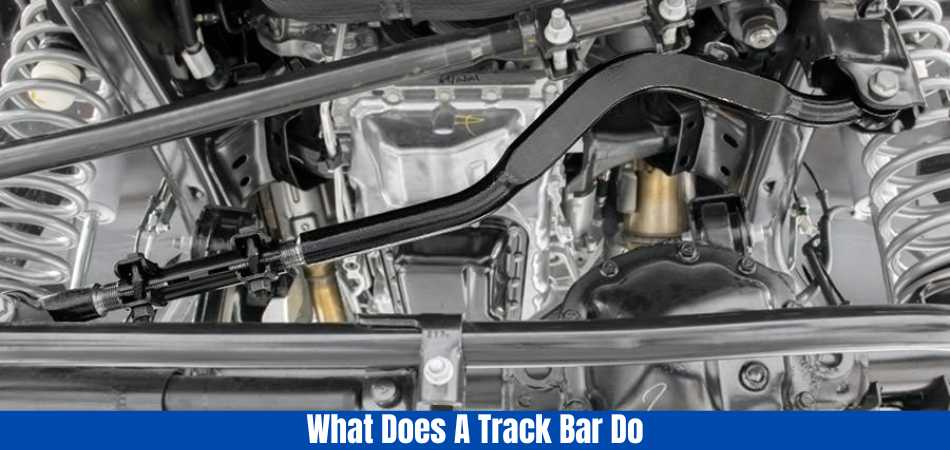
The track bar is a suspension link that connects the axle housing to the Jeep frame. Its main job is to control side-to-side axle movement while allowing the suspension to move up and down.
A Jeep Wrangler uses solid axles, so the axle must stay centered under the vehicle. The track bar controls this position while suspension arms handle forward and backward movement.
The Complete Guide to Jeep Wrangler Track Bar Geometry and Axle Position starts with understanding that the track bar is not a steering part, but it directly affects steering feel because axle movement changes steering angles.
- ✦ Axle Centering
The track bar keeps the axle aligned with the Jeep body during suspension movement.
- ✦ Suspension Control
It limits unwanted lateral movement during cornering and off-road driving.
- ✦ Steering Stability
A properly positioned axle helps maintain predictable steering response.
Front and Rear Track Bar Differences
The front track bar has a stronger effect on steering because it works near the steering linkage. A small front axle shift can change drag link angles and create steering problems.
The rear track bar mainly controls axle location and stability. Both systems must work together for balanced suspension performance.
- ✦ Front Track Bar
Important for steering control and front axle alignment.
- ✦ Rear Track Bar
Important for rear axle stability and suspension tracking.
How Lift Kits Change Track Bar Geometry
Installing a lift kit changes the distance between the axle and frame. Because the track bar follows an arc, lifting the Jeep pushes the axle sideways instead of keeping it perfectly centered.
A taller lift creates a steeper track bar angle. This can move the axle away from the factory position and reduce suspension efficiency.
The Complete Guide to Jeep Wrangler Track Bar Geometry and Axle Position shows why adjustable track bars and relocation brackets are common upgrades for lifted Wranglers.

- ✦ Axle Shift
The axle can move sideways after lifting because of track bar arc movement.
- ✦ Changed Roll Center
A different track bar angle can affect how the Jeep handles body movement.
- ✦ Reduced Suspension Travel
Poor geometry can limit smooth axle movement on rough terrain.
Why Adjustable Track Bars Matter
Adjustable track bars allow owners to recenter the axle after installing a lift. They use threaded sections or adjustable joints to change overall length.
For many Wrangler builds in the United States, an adjustable track bar becomes important once suspension height increases beyond stock specifications.
- ✦ Better Fit
Allows precise axle positioning after modifications.
Axle Position Problems After Jeep Wrangler Lifts
Many Jeep owners notice changes after installing larger tires or a suspension lift. The Jeep may pull differently, the steering wheel may sit off center, or the tires may wear unevenly.
These symptoms often happen because the axle is no longer centered. The Complete Guide to Jeep Wrangler Track Bar Geometry and Axle Position helps identify these issues before replacing unrelated parts.
- ✦ Steering Wheel Misalignment
The steering wheel may sit at an angle because suspension geometry changed.
- ✦ Uneven Tire Wear
Incorrect axle placement can affect alignment and tire contact.
- ✦ Vehicle Wander
Loose or incorrect geometry can make highway driving less stable.
Track Bar Brackets and Relocation Solutions
Track bar relocation brackets change the mounting point to improve the angle of the track bar. They are common on larger lift builds where standard adjustment is not enough.
A quality bracket must be installed correctly because the track bar handles major suspension forces.
- ✦ Relocation Bracket
Changes mounting height to improve suspension geometry.
How to Check Jeep Wrangler Track Bar Alignment
Checking track bar alignment starts with inspecting axle position, mounting points, and suspension movement. A Jeep should sit on level ground with normal ride height.
Owners can compare axle position from both sides of the Jeep and inspect for damaged bushings or loose bolts. Professional alignment tools provide more accurate measurements.
The Complete Guide to Jeep Wrangler Track Bar Geometry and Axle Position recommends checking geometry after every major suspension change.

- ✦ Inspect Mounting Bolts
Loose hardware can create movement that feels like suspension failure.
- ✦ Measure Axle Location
Compare axle spacing from the frame on both sides.
- ✦ Check Bushings
Worn bushings can create unwanted axle movement.
Common Mistakes Jeep Owners Make
A common mistake is installing a lift without correcting track bar geometry. Another mistake is replacing steering parts when the real issue is axle position.
Good suspension setup requires looking at the complete system instead of changing one component at a time.
- ✦ Ignoring Geometry
Lift height alone does not guarantee proper suspension function.
Improving Track Bar Geometry for Off-Road Performance
Off-road driving places high loads on Jeep suspension components. Rocks, deep trails, and uneven terrain require the axle to move freely while staying controlled.
A properly designed track bar setup improves stability during climbs, descents, and side slopes. It also reduces stress on other suspension parts.

- ✦ Better Articulation
Correct geometry allows smoother suspension movement.
- ✦ Improved Control
A centered axle helps the Jeep respond predictably.
- ✦ Longer Component Life
Balanced forces reduce unnecessary wear.
Choosing the Right Track Bar Setup
The correct setup depends on Jeep model, lift height, tire size, and driving style. A daily driver may need a different solution than a dedicated trail Jeep.
Quality parts, correct installation, and proper torque settings matter more than simply choosing the most expensive component.
- ✦ Daily Driver Builds
Focus on comfort, stability, and reliable road manners.
- ✦ Trail Builds
Focus on strength, clearance, and suspension movement.
Maintenance Tips for Jeep Wrangler Track Bars
Regular inspection keeps track bar problems from becoming expensive suspension repairs. Check mounting bolts, bushings, and brackets during routine maintenance.
After off-road trips, inspect the system for cracks, unusual movement, or damaged hardware. Early detection helps protect the axle and steering system.

- ✦ Inspect Regularly
Look for wear before symptoms become serious.
- ✦ Retorque Hardware
Follow manufacturer specifications after installation.
- ✦ Monitor Driving Feel
Changes in steering response can indicate geometry problems.
Frequently Asked Questions about Complete Guide to Jeep Wrangler Track Bar Geometry and Axle Position

Jeepexplorerr
Contributor