The Complete Guide to Jeep Wrangler Sway Bar Systems and Roll Control starts with understanding one simple part that has a major impact on driving feel. The sway bar connects the left and right sides of the suspension and helps control how much the Jeep leans during turns.
From my experience studying Jeep suspension setups, many owners focus on lift kits and tires but overlook sway bar tuning. A well-balanced sway bar system can make a Wrangler feel safer on highways while still allowing strong trail performance.
This Complete Guide to Jeep Wrangler Sway Bar Systems and Roll Control explains how factory systems work, why disconnects matter, common problems, and how to choose the right setup for your driving style.

What Is a Jeep Wrangler Sway Bar and How Does It Work?
A sway bar, also called an anti-roll bar, is a suspension component that limits side-to-side body movement. When a Wrangler turns, weight shifts toward the outside wheels. The sway bar helps resist this movement.
The Complete Guide to Jeep Wrangler Sway Bar Systems and Roll Control begins with this basic function. The system does not hold the Jeep rigid. Instead, it creates a controlled balance between comfort, grip, and stability.
A Wrangler needs this balance because it is built for both daily driving and off-road use. The same suspension that helps the Jeep climb rocks can also create more body movement on highways.

- ✦ Main purpose
The sway bar reduces body lean during cornering and improves driver confidence.
- ✦ Key components
A typical system includes the sway bar, bushings, end links, and mounting brackets.
- ✦ Driving effect
A properly working sway bar creates smoother and more predictable handling.
Why Roll Control Matters on a Wrangler
Roll control helps keep the Jeep stable when changing direction quickly. This matters during highway driving, emergency maneuvers, and uneven trails.
Too much body roll can make the Jeep feel loose. Too much restriction can reduce suspension movement during off-road driving.
Factory Jeep Wrangler Sway Bar Systems Explained
Modern Jeep Wranglers come with factory sway bars designed for safe everyday driving. Models such as the JK and JL use different designs, but the goal remains the same: control body movement.
The Complete Guide to Jeep Wrangler Sway Bar Systems and Roll Control shows why factory parts work well for many owners. They provide reliable handling without requiring extra adjustments.
Factory systems are often the best starting point before adding larger tires, lift kits, or performance suspension parts.

- ✦ Factory advantages
Original sway bars offer proven durability and predictable road manners.
- ✦ Factory limitations
They may limit suspension flex during serious off-road use.
Sway Bar Disconnects for Jeep Wrangler Off-Road Performance
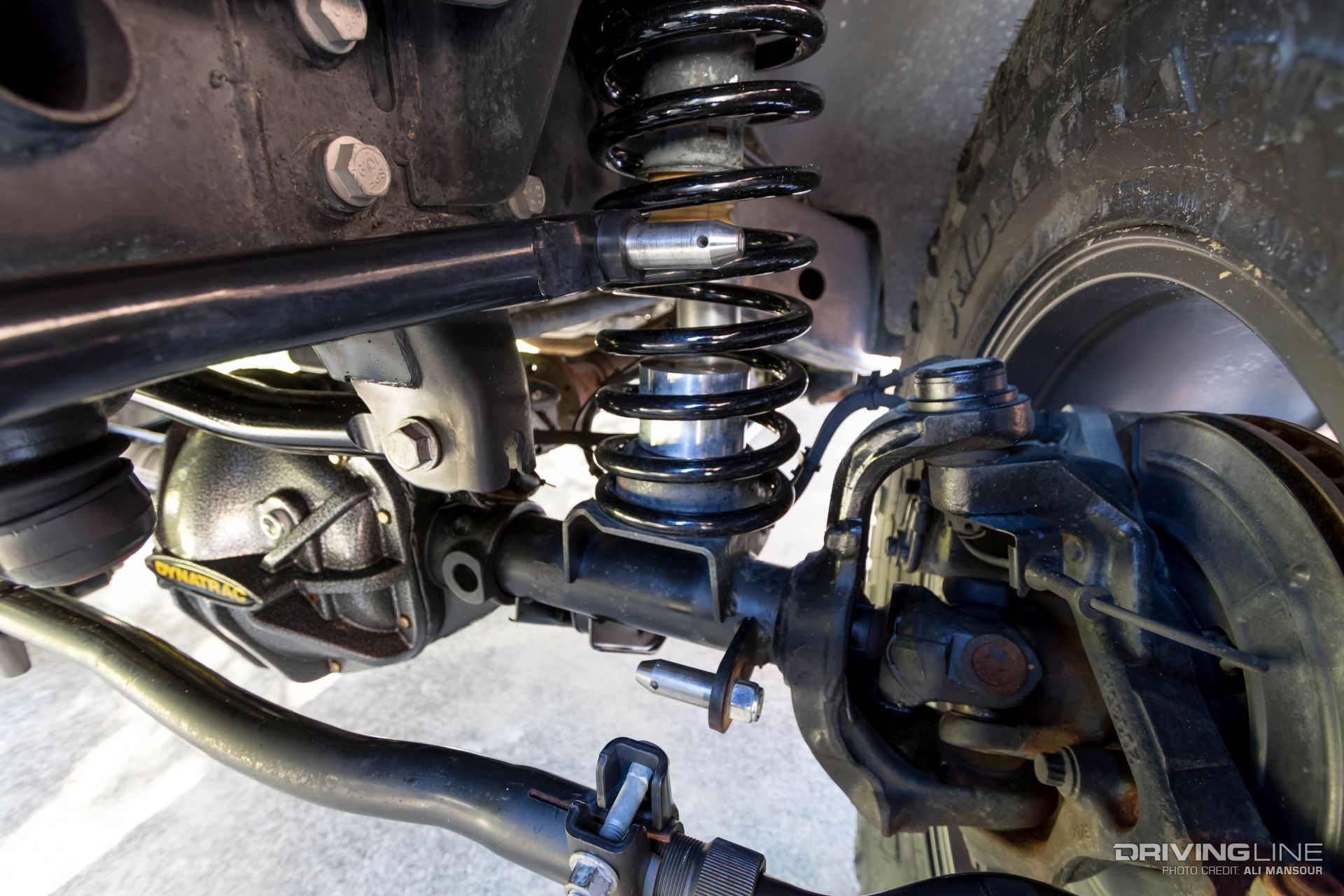
Sway bar disconnects allow Wrangler owners to separate the sway bar links when driving on trails. This gives the suspension more freedom to move.
When one wheel climbs over an obstacle, the disconnected system lets the axle flex more naturally. This can improve traction on uneven terrain.
The Complete Guide to Jeep Wrangler Sway Bar Systems and Roll Control recommends using disconnects carefully because they are designed mainly for off-road conditions.
- ✦ Better articulation
Disconnects allow greater wheel travel over rocks and rough ground.
- ✦ Street safety
Reconnect the sway bar before normal road driving.
- ✦ Common users
Trail drivers with lifted Wranglers often benefit most from disconnect systems.
Electronic Sway Bar Disconnect Systems
Some Wrangler models use electronic systems that disconnect with a dashboard control. These systems add convenience for drivers who frequently switch between pavement and trails.
How Lift Kits Affect Sway Bar Geometry
A lift kit changes suspension angles and can affect sway bar performance. Larger lifts often require longer sway bar links to maintain proper alignment.
Incorrect geometry can create unwanted stress on links and reduce suspension efficiency. This is why suspension upgrades should be planned as a complete system.
The Complete Guide to Jeep Wrangler Sway Bar Systems and Roll Control highlights that small parts like links and brackets can strongly affect the overall setup.

- ✦ Longer links
They help restore correct sway bar positioning after lifting the Jeep.
- ✦ Adjustable links
They allow fine tuning for custom suspension builds.
Common Jeep Wrangler Sway Bar Problems and Symptoms
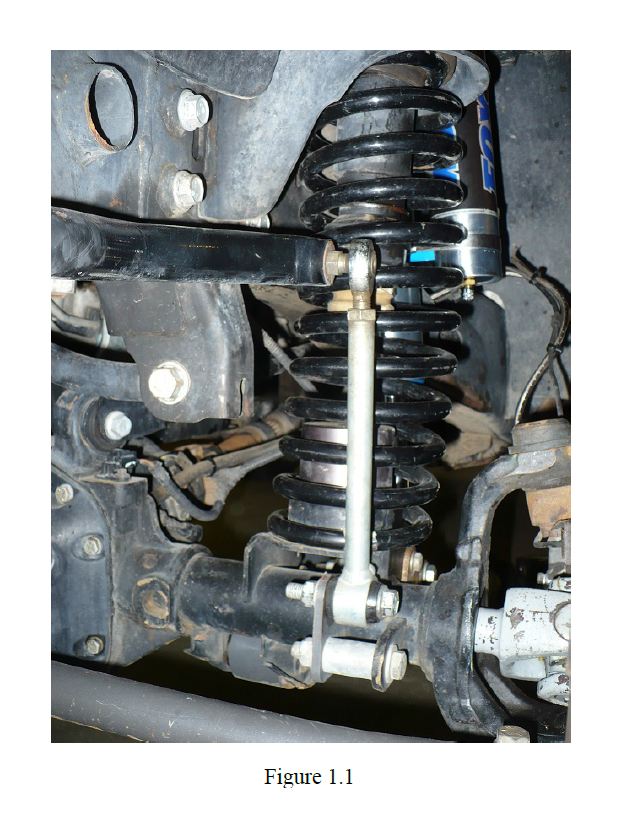
A damaged sway bar system can change how a Wrangler feels behind the wheel. Strange noises, loose handling, or unusual body movement often point to worn components.
Regular inspection is important, especially for Jeeps used on trails. Mud, water, and heavy impacts can accelerate wear on bushings and links.
The Complete Guide to Jeep Wrangler Sway Bar Systems and Roll Control recommends checking suspension parts during routine maintenance.
- ✦ Clunking sounds
Worn end links or loose hardware may create knocking noises.
- ✦ Extra body lean
A damaged sway bar connection may reduce roll control.
- ✦ Uneven handling
Broken or loose parts can affect steering confidence.
Choosing the Right Sway Bar Setup for Your Jeep
The best sway bar setup depends on how you use your Wrangler. A daily driver may prefer factory-style control, while a dedicated trail Jeep may need disconnects and upgraded links.
There is no single perfect setup for every owner. Tire size, lift height, driving habits, and terrain all change what works best.
A smart suspension build keeps road safety and off-road ability in balance.
- ✦ Daily driving
Keep strong roll control for comfort and highway stability.
- ✦ Weekend trails
Consider disconnect links for improved articulation.
- ✦ Extreme builds
Use carefully matched suspension components from trusted manufacturers.
Frequently Asked Questions about Complete Guide to Jeep Wrangler Sway Bar Systems and Roll Control

Jeepexplorerr
Contributor