The Complete Guide to Jeep Wheel Hubs Bearings and Rotating Assembly Problems explains the parts that connect your Jeep to the road. These components handle vehicle weight, cornering force, braking loads, and off-road impacts. When they wear out, they can affect safety, comfort, and driving confidence.
From my experience working around 4×4 vehicles, wheel hub and bearing issues often start with small signs. A light humming noise, loose steering feel, or uneven tire wear can become a major repair if ignored. Jeep owners in the USA often face extra stress from towing, rough trails, snow, salt, and daily commuting.

Understanding Jeep Wheel Hub and Bearing Systems
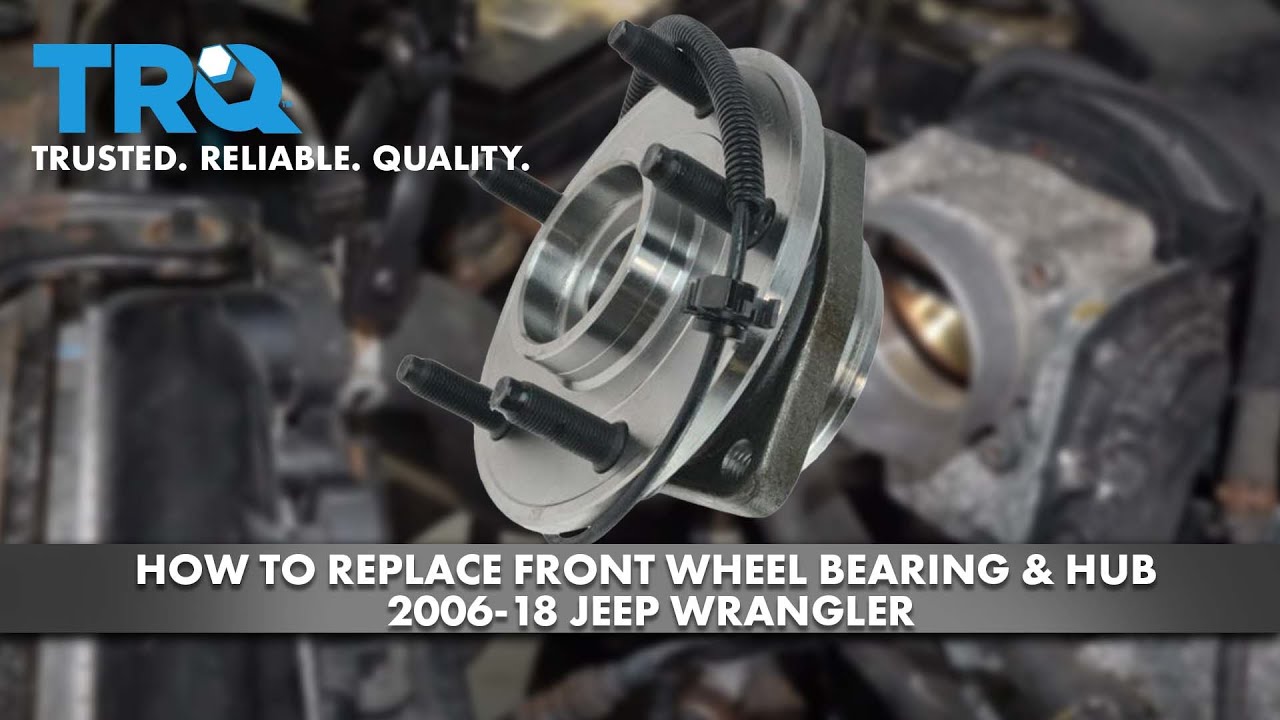
A Jeep wheel hub is the mounting point that connects the wheel and tire to the vehicle. It allows the wheel to rotate while holding important parts such as wheel studs and, in many models, integrated sensors.
The wheel bearing sits inside or as part of the hub assembly. It reduces friction between moving parts and helps the wheel spin smoothly. The Complete Guide to Jeep Wheel Hubs Bearings and Rotating Assembly Problems starts with understanding this basic relationship.
- ✦ Wheel hub function
The hub holds the wheel securely and transfers driving, braking, and cornering forces.
- ✦ Wheel bearing function
The bearing supports rotation and reduces friction between the axle and wheel assembly.
- ✦ Modern hub assemblies
Many newer Jeeps use sealed hub units that include bearings and ABS sensors.
How Hub Bearings Affect Jeep Performance
A healthy hub bearing keeps the wheel aligned and stable. A damaged bearing can create movement that changes steering feel and increases stress on suspension parts.
- ✦ Better handling
Proper bearing condition helps maintain predictable steering and road control.
Common Jeep Wheel Bearing Failure Symptoms
Wheel bearing problems usually provide warning signs before complete failure. Learning these signs helps Jeep owners repair problems before they damage other components.
The Complete Guide to Jeep Wheel Hubs Bearings and Rotating Assembly Problems shows why early inspection matters. A simple check during tire rotation can reveal many developing issues.

- ✦ Humming or grinding noise
A steady growling sound that changes with speed may indicate worn bearing surfaces.
- ✦ Wheel looseness
Excess movement when checking the wheel can point to bearing or hub wear.
- ✦ Uneven tire wear
A loose rotating assembly can affect wheel alignment and tire contact.
- ✦ ABS warning light
Some Jeep hub assemblies contain sensors that can fail when the hub becomes damaged.
Noise Changes During Driving
Many bearing noises become louder during turns because the vehicle shifts weight from one side to another. Careful listening during normal driving can help identify the problem area.
Causes of Jeep Hub and Bearing Damage
Jeep vehicles are built for demanding conditions, but wheel hub systems still experience wear. Heavy loads, rough roads, and poor maintenance can shorten component life.
The Complete Guide to Jeep Wheel Hubs Bearings and Rotating Assembly Problems includes both street and off-road causes because many Jeep owners use their vehicles for multiple purposes.

- ✦ Water and mud exposure
Off-road driving can expose bearings to moisture and contaminants that damage seals.
- ✦ Oversized tires
Large tires increase load on wheel bearings and hub assemblies.
- ✦ Heavy towing
Extra vehicle weight increases stress on rotating components.
- ✦ Poor installation
Incorrect torque or damaged parts can cause early failure.
How Off-Road Use Changes Wear Patterns
Rock trails, deep mud, and uneven surfaces create forces that normal road driving does not. Jeep owners who explore trails should inspect hubs more often than typical drivers.
Inspecting Jeep Wheel Hubs and Rotating Assemblies
A proper inspection combines visual checks, movement tests, and road observations. Many problems can be found before they become expensive repairs.
When following the Complete Guide to Jeep Wheel Hubs Bearings and Rotating Assembly Problems, always inspect both sides because one worn component can hide another developing issue.
- ✦ Check for wheel play
Lift the vehicle safely and check for unwanted movement in the wheel assembly.
- ✦ Inspect grease and seals
Look for leaks, contamination, or damaged protective seals.
- ✦ Listen during a road test
Pay attention to changes in sound during acceleration, braking, and turns.
Tools Used for Diagnosis
Basic inspections need simple tools such as a floor jack, stands, flashlight, and torque wrench. Professional shops may use additional diagnostic equipment for precise measurements.
Replacing Jeep Wheel Hub Bearings Correctly
Wheel hub replacement is a common Jeep repair, especially on vehicles exposed to harsh conditions. The process varies by model, but careful installation is always important.
The Complete Guide to Jeep Wheel Hubs Bearings and Rotating Assembly Problems highlights that quality parts and correct torque settings are key factors in long-term reliability.

- ✦ Use quality replacement parts
Reliable hubs help maintain proper performance and reduce repeat repairs.
- ✦ Follow torque specifications
Correct fastener tightening protects the hub and surrounding components.
- ✦ Inspect nearby parts
Check brakes, axle shafts, and suspension parts during replacement.
Professional Repair Versus DIY Replacement
Some Jeep owners complete hub replacements at home with proper tools and knowledge. Others choose professional service because incorrect installation can create safety concerns.
Frequently Asked Questions about Complete Guide to Jeep Wheel Hubs Bearings and Rotating Assembly Problems

Jeepexplorerr
Contributor