A Complete Guide to Jeep Front and Rear Axle Maintenance and Inspection starts with understanding that axles do much more than hold the wheels. They transfer engine power to the tires, support vehicle weight, and allow your Jeep to handle pavement, trails, mud, and snow. A neglected axle can turn a dependable Jeep into a costly repair project.
From years of working with 4×4 drivetrains, I have learned that small warning signs often appear long before a major axle failure. A light oil leak, a new humming sound, or slight vibration can reveal problems with seals, bearings, or gears. Early checks save time and money for Jeep owners across the United States.
This guide explains how to inspect front and rear axles, maintain key components, identify common failures, and keep your Jeep ready for daily driving and weekend adventures.

Understanding Jeep Front and Rear Axle Systems
The Complete Guide to Jeep Front and Rear Axle Maintenance and Inspection begins with knowing how axle systems work. A Jeep axle contains gears, shafts, bearings, seals, and differential parts that work together to send power to the wheels.
Most Jeep models use strong axle designs built for off-road use. However, even durable parts wear over time. Heavy loads, larger tires, towing, and rough trails can increase stress on axle components.
- ✦ Front axle role
The front axle helps transfer power while allowing steering movement through axle shafts, joints, and differential parts.
- ✦ Rear axle role
The rear axle sends driving force to the rear wheels and handles much of the vehicle load during acceleration.
- ✦ Differential function
The differential allows wheels to rotate at different speeds while turning and protects the drivetrain from stress.
Common Jeep Axle Types
Many Jeep vehicles use Dana axle designs because they provide strength and reliability. The exact axle type depends on the model, year, engine, and factory equipment.
- ✦ Dana 30
A common front axle used in many Jeep models and suitable for regular driving and moderate trail use.
- ✦ Dana 35 and stronger rear axles
Rear axle choices vary by Jeep model, with some designed for higher loads and larger tires.
How to Inspect Jeep Front Axles for Problems
Front axle inspections should be part of routine Jeep maintenance, especially for vehicles used off-road. The front axle experiences steering movement, impacts, and additional stress from four-wheel drive operation.
During a Complete Guide to Jeep Front and Rear Axle Maintenance and Inspection routine, check the axle housing, differential cover, axle tubes, and connection points for damage or leaks.

- ✦ Look for fluid leaks
Check around the differential cover, axle seals, and pinion area for signs of gear oil leaks.
- ✦ Inspect axle joints
Worn universal joints or CV joints can create clicking sounds, vibration, and poor power delivery.
- ✦ Check steering movement
Loose parts near the axle can affect steering feel and vehicle control.
Front Axle Warning Signs
A clicking sound during turns may point to a worn axle joint. A grinding noise or vibration may indicate deeper problems with bearings or gears.
- ✦ Clicking while turning
Often linked to worn axle joints or damaged CV components.
- ✦ Vibration at speed
May come from axle imbalance, worn joints, or driveline issues.
How to Inspect Jeep Rear Axles for Wear and Damage
The rear axle carries major driving forces, especially when towing, climbing hills, or using larger tires. Regular inspection helps prevent gear damage and unexpected breakdowns.
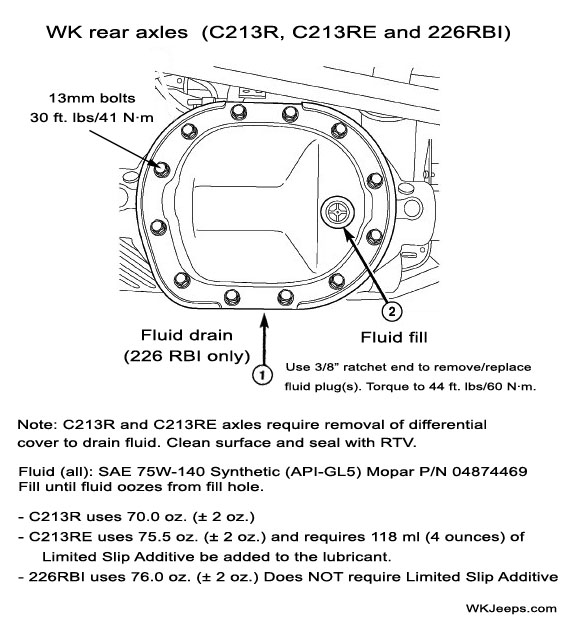
A Complete Guide to Jeep Front and Rear Axle Maintenance and Inspection should include checking the rear differential, axle seals, bearings, and housing condition.
- ✦ Inspect axle seals
Damaged seals can allow gear oil loss and reduce lubrication protection.
- ✦ Listen for gear noise
Whining, clunking, or humming sounds may suggest gear or bearing wear.
- ✦ Check housing damage
Bent or cracked axle housings can affect alignment and tire wear.
Rear Axle Fluid Inspection
Rear differential fluid should look clean and reach the correct level. Dirty or low fluid can increase friction and damage internal parts.
- ✦ Healthy fluid
Clean gear oil helps protect gears and bearings under heavy loads.
- ✦ Contaminated fluid
Metal particles or a burnt smell can indicate internal wear.
Jeep Differential Fluid Maintenance and Service
Differential fluid is one of the most important parts of Jeep axle maintenance. It reduces heat, protects gears, and helps bearings operate smoothly.
The Complete Guide to Jeep Front and Rear Axle Maintenance and Inspection includes regular fluid checks because old oil can lose its protective ability over time.
- ✦ Follow service intervals
Use the Jeep owner’s manual schedule and adjust based on towing or off-road use.
- ✦ Use correct fluid
The correct gear oil type helps maintain proper axle performance.
- ✦ Check for metal debris
Small metal particles can reveal internal wear before failure occurs.
Signs Your Differential Needs Attention
A noisy differential should never be ignored. Early inspection can prevent damage to expensive gears and bearings.
- ✦ Gear whine
A whining sound may indicate gear wear or incorrect adjustment.
- ✦ Fluid leak
Leaks can lower lubrication levels and increase internal damage risk.
Common Jeep Axle Problems and Their Causes
Jeep axle problems often develop slowly. Understanding common causes helps owners fix issues before they affect safety or reliability.
Many axle failures happen because of ignored maintenance, oversized tires, harsh driving conditions, or damaged seals.
- ✦ Worn bearings
Bad bearings can create noise, vibration, and uneven axle movement.
- ✦ Damaged seals
Failed seals allow fluid loss and can lead to gear damage.
- ✦ Broken axle shafts
High torque loads and extreme off-road use can damage shafts.
How Driving Habits Affect Axle Life
Daily highway driving creates different stresses than rock crawling or deep mud driving. Jeep owners should match maintenance habits to how they use their vehicles.
- ✦ Off-road use
Trail driving requires more frequent inspections after impacts and water crossings.
- ✦ Towing
Heavy loads increase heat and stress inside axle components.
Frequently Asked Questions about Complete Guide to Jeep Front and Rear Axle Maintenance and Inspection

Jeepexplorerr
Contributor