The Complete Guide to Jeep Tire Wear Patterns and What They Indicate helps Jeep owners understand what their tires are trying to tell them. A tire rarely wears unevenly without a reason. The tread pattern often points toward a specific problem that needs attention.
From my experience inspecting Jeeps used for highway driving, towing, and off-road trails, tire wear is one of the easiest ways to spot hidden mechanical issues. A Jeep may feel normal while a small alignment or suspension problem slowly damages expensive tires.
This Complete Guide to Jeep Tire Wear Patterns and What They Indicate explains common wear patterns, their causes, and the steps owners can take to protect their tires. Whether you drive a Wrangler, Grand Cherokee, Gladiator, or another Jeep model, these checks can help you stay safer on American roads and trails.

Understanding Jeep Tire Wear Patterns and Why They Matter
Jeep tire wear patterns are visible clues found on the tread surface. They show how the tire contacts the road and how the vehicle distributes weight during driving.
A healthy tire usually wears evenly across the tread. When one area wears faster than another, it often means the Jeep has a mechanical issue or needs a maintenance adjustment.
The Complete Guide to Jeep Tire Wear Patterns and What They Indicate starts with learning how normal wear looks compared with warning signs.
- ✦ Even tread wear
A balanced tread surface usually means proper inflation, alignment, and suspension condition.
- ✦ Uneven tread wear
Different wear areas may point to problems with tire pressure, steering parts, shocks, or wheel alignment.
- ✦ Rapid tire wear
Fast tread loss can happen from aggressive driving, incorrect setup, or worn mechanical parts.
Why Jeep Vehicles Develop Unique Tire Wear Issues
Jeeps often face conditions that many passenger vehicles do not. Larger tires, solid axles, lift kits, heavy loads, and off-road use can change how tires contact the ground.
A Jeep used for trails may develop different wear patterns than one used mostly for highway commuting. Checking the tires regularly helps identify these differences early.
- ✦ Off-road stress
Rocky trails and uneven surfaces can increase stress on steering and suspension parts.
Common Jeep Tire Wear Patterns and What They Indicate
The shape and location of tire wear often reveal the source of the problem. Looking at the entire tread is important because one damaged area may not tell the full story.
The Complete Guide to Jeep Tire Wear Patterns and What They Indicate shows that common patterns include edge wear, center wear, cupping, feathering, and flat spots.
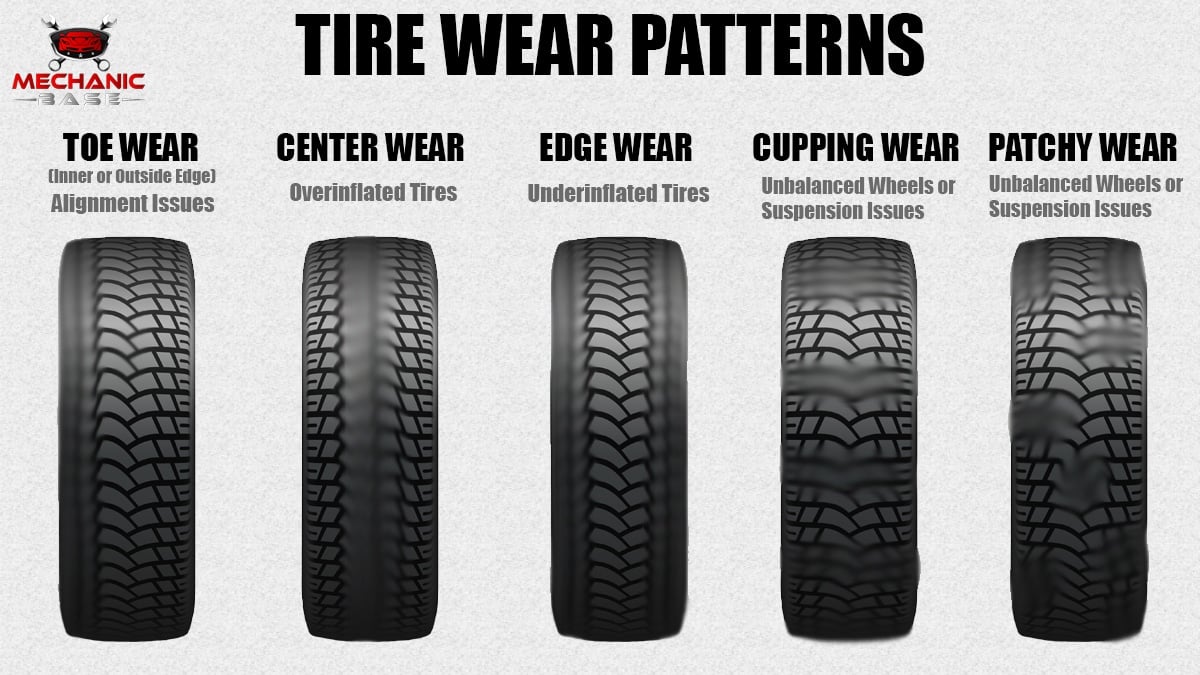
- ✦ Outer edge wear
Wear on the outside shoulder may indicate underinflation, aggressive cornering, or alignment problems.
- ✦ Center tread wear
A worn center area often means the tire has been overinflated.
- ✦ Inside edge wear
This can suggest negative camber or suspension alignment concerns.
Cupping and Scalloped Tire Wear
Cupping appears as uneven dips around the tread blocks. It often feels like vibration or produces a humming road noise.
Worn shocks, loose suspension parts, or tire balance problems can contribute to this pattern. Jeep owners should inspect suspension components when cupping appears.
- ✦ Possible causes
Common causes include weak shocks, wheel imbalance, and worn steering components.
How Tire Pressure Affects Jeep Tire Wear
Correct tire pressure is one of the simplest ways to prevent uneven Jeep tire wear patterns. Both overinflation and underinflation change the contact area between the tire and road.
Many Jeep owners adjust tire pressure for highway driving, heavy loads, or off-road conditions. However, returning to the correct pressure afterward is important for normal tire life.
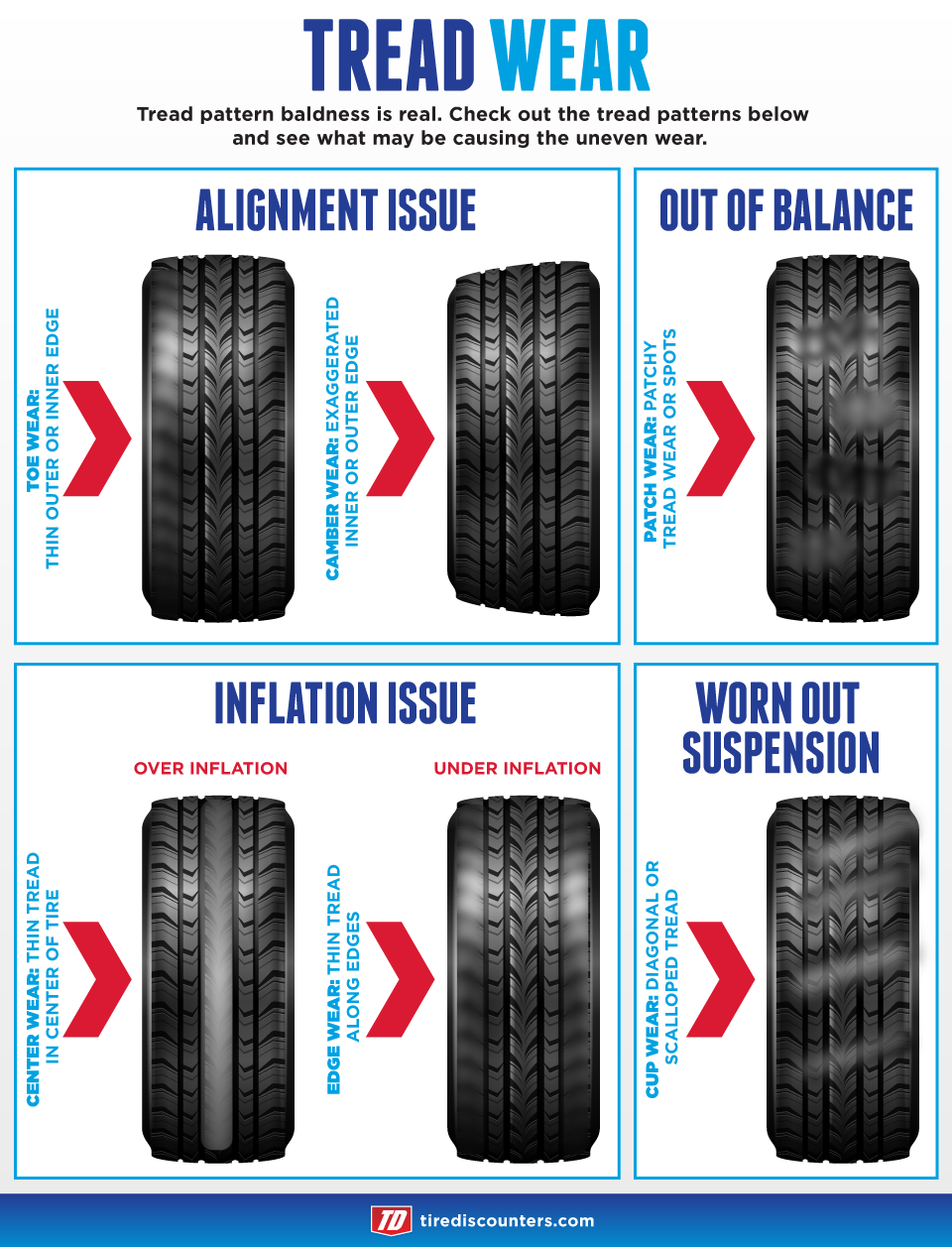
- ✦ Low tire pressure
Underinflated tires may wear on both outer edges and create extra heat during driving.
- ✦ High tire pressure
Overinflated tires may wear faster in the center of the tread.
Checking Jeep Tire Pressure Correctly
Check tire pressure when tires are cold because heat from driving increases pressure readings. Use the vehicle door label or owner’s manual for the recommended setting.
A simple monthly check can prevent many tire problems and improve fuel economy.
- ✦ Monthly inspection
Inspect pressure, tread depth, and visible damage at least once each month.
Wheel Alignment Problems Behind Jeep Tire Wear
Wheel alignment controls how the tires meet the road. When alignment angles move outside factory specifications, tires may wear unevenly.
Jeep vehicles with lifted suspensions or modified steering parts may need special alignment attention. Even small changes can affect tire life.

- ✦ Toe problems
Incorrect toe settings can create feathering and uneven tread wear.
- ✦ Camber problems
Incorrect camber can cause one side of the tread to wear faster.
- ✦ Caster concerns
Incorrect caster may affect steering feel and tire behavior.
Signs Your Jeep May Need Alignment Service
A Jeep that pulls to one side, has an off-center steering wheel, or shows uneven tread wear may need an alignment check.
Alignment inspections are especially important after suspension repairs, lift installations, or strong impacts from potholes and trails.
- ✦ Steering pull
The Jeep moves left or right instead of tracking straight on a level road.
Suspension and Steering Components That Influence Tire Wear
Jeep suspension parts carry heavy loads and experience strong forces during off-road driving. Worn parts can change tire movement and create unusual wear.
The Complete Guide to Jeep Tire Wear Patterns and What They Indicate includes suspension inspection because tires often show the first sign of a mechanical problem.

- ✦ Shock absorbers
Weak shocks can allow tire bouncing and create uneven wear patterns.
- ✦ Ball joints and tie rods
Loose steering parts can affect wheel position and tire contact.
- ✦ Wheel bearings
Damaged bearings may create movement that changes tread wear.
Why Modified Jeeps Need Extra Tire Checks
Lifted Jeeps, oversized tires, and aftermarket suspension parts can change factory geometry. These changes may require additional maintenance.
Regular inspections help owners enjoy modifications without sacrificing tire safety.
- ✦ After modifications
Check alignment and tire wear after installing new suspension or larger tires.
Frequently Asked Questions about Complete Guide to Jeep Tire Wear Patterns and What They Indicate

Jeepexplorerr
Contributor