The Complete Guide to Jeep Brake Noise Vibration Pulling and Uneven Wear starts with understanding what your Jeep is telling you. A squeal, shake, or pull during braking is not just an annoyance. It is a signal that one or more brake parts may need attention.
From daily highway drives in the United States to off-road trips on dirt trails, Jeep brakes handle heat, weight, and changing conditions. In my experience working with brake systems, many serious problems begin as small noises that drivers ignore for too long.
This guide explains the common causes behind Jeep brake noise, vibration, pulling, and uneven wear. It also shows how to identify symptoms, understand repairs, and keep your Jeep stopping with confidence.
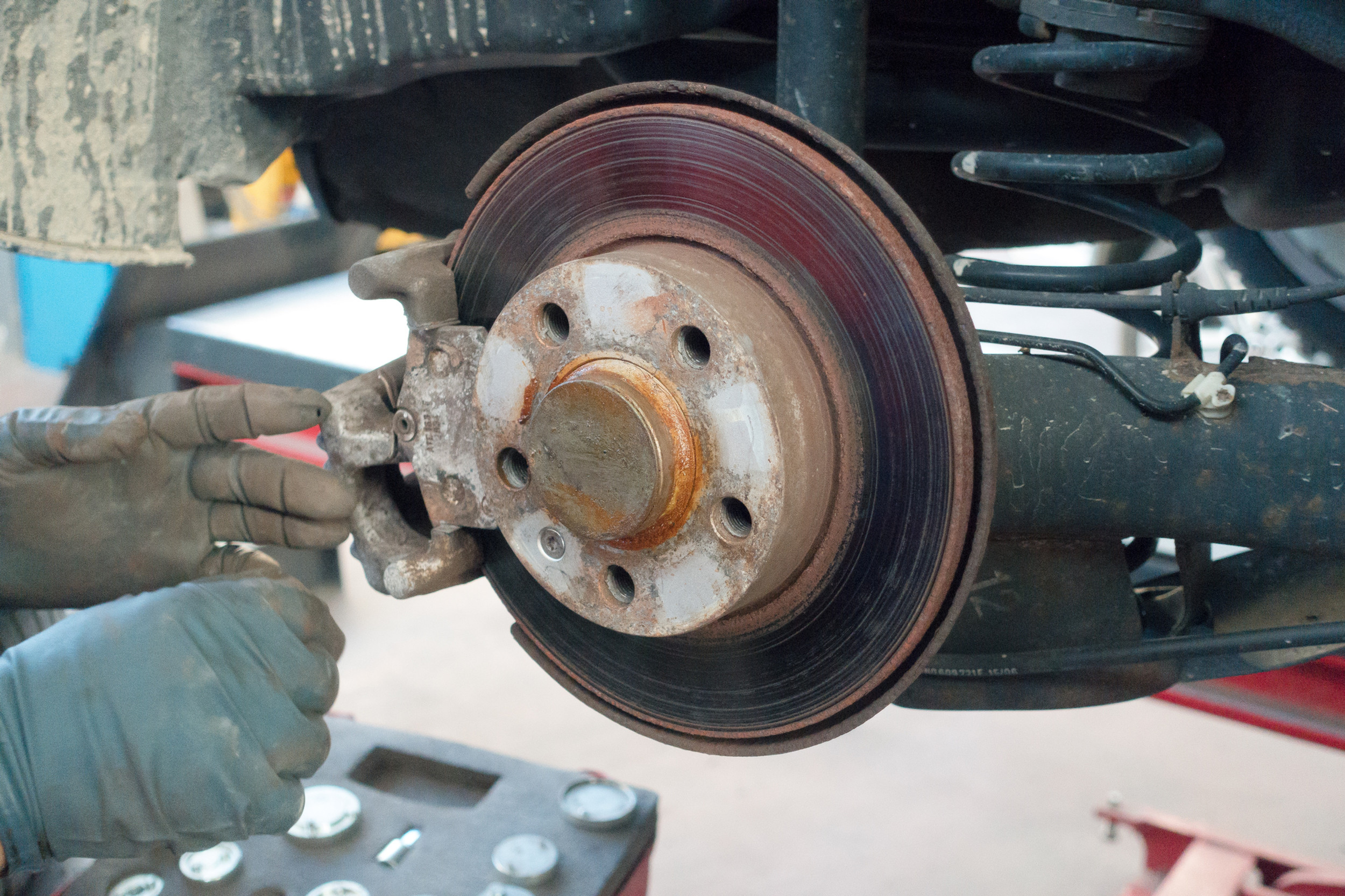
Understanding Common Jeep Brake Problems and Warning Signs
A Jeep brake system uses many parts that work together. Brake pads create friction, rotors absorb heat, calipers apply pressure, and hydraulic fluid transfers force. When one part fails, the entire system can show unusual symptoms.
The Complete Guide to Jeep Brake Noise Vibration Pulling and Uneven Wear helps drivers connect symptoms with possible causes. A noise does not always mean the same problem, so careful inspection matters.
Many Jeep owners notice issues after towing, off-road driving, or long periods of sitting. Moisture, dirt, rust, and heat can all affect brake performance.

- ✦ Squealing or squeaking sounds
High-pitched sounds often come from worn pads, brake dust, moisture, or normal friction between brake materials.
- ✦ Grinding noises
Grinding usually means metal contact and may indicate severely worn brake pads or damaged rotors.
- ✦ Brake pedal vibration
Pulsation through the pedal can point to rotor thickness changes, uneven wear, or brake surface problems.
Why Early Brake Diagnosis Matters
Small brake problems can become larger repairs when ignored. A worn pad can damage a rotor, while a sticking caliper can create heat that affects nearby parts.
A quick inspection can often reveal issues before they affect stopping power or vehicle control.
- ✦ Safety benefit
Finding brake problems early helps maintain reliable stopping ability.
- ✦ Lower repair costs
Replacing simple worn parts is often cheaper than repairing damaged brake assemblies.
What Causes Jeep Brake Noise and How to Identify It
Brake noise is one of the most common complaints from Jeep owners. The sound can change depending on speed, weather, brake temperature, and driving conditions.
The Complete Guide to Jeep Brake Noise Vibration Pulling and Uneven Wear shows that finding the source of noise requires more than replacing parts. The exact cause should be confirmed first.
A Jeep that makes noise only during light braking may have a different issue than one that grinds during every stop.

- ✦ Brake pad material
Some pad compounds create more noise because of their design and friction characteristics.
- ✦ Loose brake hardware
Clips, shims, or springs that move can create rattles and clicking sounds.
- ✦ Rust buildup
Surface rust on rotors can create temporary noises after rain or storage.
Common Jeep Brake Noise Types
A squeak often comes from vibration between brake parts. A grinding sound is more serious because it may mean the friction material is gone.
A clicking or clunking noise can come from loose components or movement in the brake assembly.
- ✦ Squeak
Often linked to pad vibration, dust, or normal brake operation.
- ✦ Grind
Often linked to worn pads or metal contact.
Diagnosing Jeep Brake Vibration and Brake Pedal Pulsation
Brake vibration is a common concern, especially during highway braking. Drivers may feel shaking in the steering wheel, brake pedal, or vehicle body.
The Complete Guide to Jeep Brake Noise Vibration Pulling and Uneven Wear explains that vibration usually comes from uneven contact between pads and rotors. Heat stress and improper installation can contribute to this issue.
A professional inspection checks rotor condition, wheel mounting surfaces, caliper operation, and suspension parts.
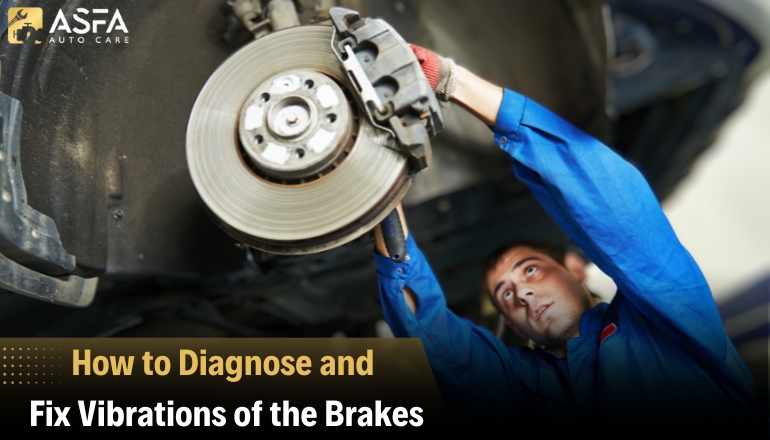
- ✦ Warped rotor symptoms
Drivers may feel a pulsing pedal or shaking when applying the brakes.
- ✦ Uneven rotor deposits
Brake material buildup can create inconsistent friction and vibration.
How Driving Conditions Affect Brake Vibration
Heavy loads, towing, mountain roads, and repeated hard stops create extra heat. Jeep owners who tow trailers or explore trails should inspect brakes more often.
Correct break-in procedures after installing new pads and rotors can also reduce vibration problems.
- ✦ Heat management
Proper braking habits help reduce excessive heat damage.
Why Your Jeep Pulls When Braking
A Jeep that pulls left or right during braking has an imbalance in braking force or vehicle movement. This issue should not be ignored because it can affect control.
The Complete Guide to Jeep Brake Noise Vibration Pulling and Uneven Wear identifies caliper problems, uneven pad wear, tire issues, and suspension faults as common causes.
The direction of the pull can provide clues, but proper testing is needed to confirm the source.

- ✦ Sticking caliper
A caliper that does not release correctly can create more braking force on one side.
- ✦ Uneven brake pads
Different pad thickness levels can change braking balance.
- ✦ Tire pressure differences
Uneven tire pressure can also affect vehicle direction during braking.
Checking Pulling Problems Step by Step
Start by checking tire condition and pressure. Then inspect brake components for wear, heat marks, or restricted movement.
A repair shop may compare brake temperatures and hydraulic pressure to find the problem.
- ✦ Visual inspection
Look for uneven pad wear, leaks, and damaged hardware.
Understanding Jeep Brake Pad and Rotor Uneven Wear
Uneven brake wear means the brake system is not applying force evenly. It can reduce brake life and create noise or vibration.
The Complete Guide to Jeep Brake Noise Vibration Pulling and Uneven Wear shows that uneven wear often starts with small issues like sticking hardware or poor lubrication.
Regular maintenance helps catch these problems before they damage expensive components.

- ✦ Inner pad wear
Often caused by caliper movement problems or uneven pressure.
- ✦ Outer pad wear
Can happen when caliper parts do not release correctly.
- ✦ Tapered pad wear
May indicate alignment or hardware issues.
Preventing Uneven Brake Wear
Use quality brake parts and follow proper installation steps. Brake grease, correct torque, and clean mounting surfaces all matter.
Jeep vehicles used for off-road driving need extra attention because mud and debris can affect brake movement.
- ✦ Routine inspections
Checking brakes during tire rotations helps identify wear early.
Frequently Asked Questions about Complete Guide to Jeep Brake Noise Vibration Pulling and Uneven Wear

Jeepexplorerr
Contributor