The Complete Guide to Jeep PCV Valve Operation and Crankcase Ventilation explains how this small part supports engine health. The PCV system may look simple, but it plays a major role in controlling pressure, oil condition, and emissions. A working system helps your Jeep run cleaner and more efficiently.
From daily highway driving in the United States to off-road use in a Wrangler or Grand Cherokee, the crankcase ventilation system faces heat, vibration, and changing engine loads. In my experience reviewing engine problems, many oil leaks and idle issues start with a neglected PCV system.

What Is a Jeep PCV Valve and Why Does It Matter?
The PCV valve means positive Crankcase Ventilation valve. It controls the flow of gases from the engine crankcase back into the intake system. These gases contain fuel vapors, moisture, and combustion byproducts.
The Complete Guide to Jeep PCV Valve Operation and Crankcase Ventilation starts with understanding this basic process. Without proper ventilation, pressure builds inside the engine and can force oil past seals and gaskets.

- ✦ Controls crankcase pressure
The PCV valve allows unwanted gases to leave the engine safely.
- ✦ Reduces emissions
The system burns leftover vapors instead of releasing them into the air.
- ✦ Protects engine oil
Proper ventilation reduces moisture and contamination inside the crankcase.
Basic PCV System Components
A Jeep PCV system usually includes the PCV valve, hoses, fresh air inlet, and engine vacuum connection. Each part must work together for stable airflow.
A blocked hose can create problems even when the valve itself looks normal. Always inspect the complete system during diagnosis.
- ✦ PCV valve
Controls vapor movement based on engine vacuum conditions.
- ✦ Vent hose
Moves fresh air into the crankcase and balances pressure.
How Jeep PCV Valve Operation Works
The PCV valve uses engine vacuum to pull gases from the crankcase into the intake manifold. The valve changes flow depending on engine speed and load.
At idle, vacuum is higher, so the valve limits airflow. During acceleration, vacuum drops and the system adjusts to prevent excessive pressure buildup.

- ✦ Idle operation
The valve controls airflow to avoid creating an overly lean mixture.
- ✦ Heavy load operation
The system allows more vapor movement when crankcase pressure increases.
Why Vacuum Control Is Important
The PCV valve must balance two needs. It must remove gases while preventing too much air from entering the intake system.
A damaged valve can create vacuum leaks or allow oil vapor into places where it should not go.
- ✦ Balanced airflow
Correct airflow keeps engine operation stable.
Common Jeep PCV Valve Failure Symptoms
A failing PCV valve often creates symptoms that look like larger engine problems. Drivers may notice oil leaks, unstable idle, or increased oil use.
The Complete Guide to Jeep PCV Valve Operation and Crankcase Ventilation shows why early diagnosis matters. A simple valve replacement can prevent more expensive repairs.
 Valve-pcv valve located in valve cover.jpg "Crankcase Venting PCV valve located in valve cover")
- ✦ Oil leaks
High crankcase pressure can push oil past seals and gaskets.
- ✦ Rough idle
Incorrect airflow can disturb engine air-fuel balance.
- ✦ Oil consumption
A stuck valve may allow excess oil vapor into the intake.
Signs You Should Inspect the System
Check the PCV system if your Jeep develops unexplained oil residue around the engine or changes in idle quality.
Smoke from the exhaust, whistling sounds, or damaged hoses can also point toward ventilation problems.
- ✦ Visual inspection
Look for cracked hoses, oil buildup, or loose connections.
How to Test a Jeep PCV Valve
Testing a Jeep PCV valve does not always require advanced tools. A basic inspection can reveal many common failures.
The valve should create controlled airflow and should not remain completely open or blocked.

- ✦ Listen for valve movement
A light rattling sound may indicate internal movement on some designs.
- ✦ Inspect vacuum behavior
Check whether the valve responds correctly to engine vacuum.
Professional Diagnostic Approach
Technicians often inspect the entire ventilation path instead of replacing only the valve. Hoses, separators, and connections can also fail.
A complete diagnosis prevents repeated repairs and helps identify the real cause.
- ✦ System inspection
Review every PCV component before replacement.
Jeep PCV Valve Replacement and Maintenance Tips
Replacing a PCV valve is usually a simple maintenance task, but access depends on the Jeep model and engine design. Many valves sit near the valve cover area.
The Complete Guide to Jeep PCV Valve Operation and Crankcase Ventilation recommends following manufacturer service intervals and checking the system during routine oil changes.
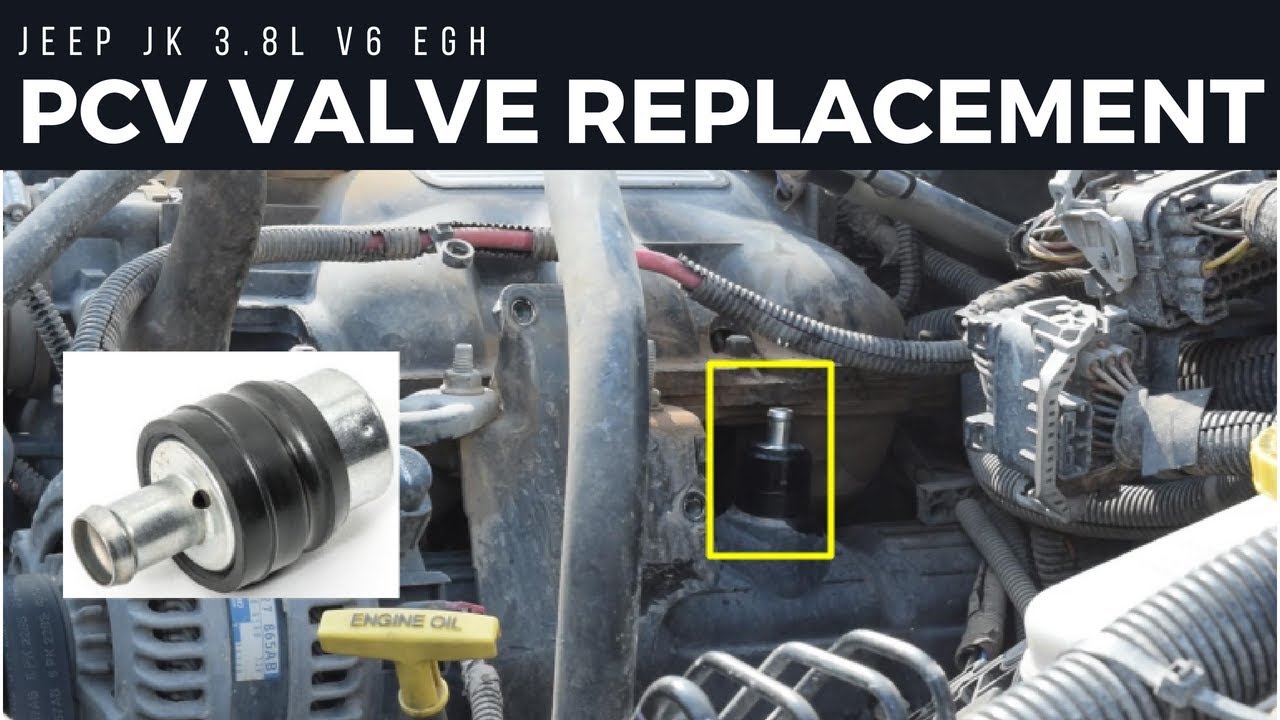
- ✦ Use the correct replacement part
Different Jeep engines require specific PCV valve designs.
- ✦ Inspect connected hoses
Old hoses can crack and create vacuum leaks.
Maintenance Best Practices
Regular inspection helps catch problems before they affect engine performance. This is especially useful for older Jeeps used for towing or off-road driving.
Keeping the ventilation system clean supports better engine reliability over time.
- ✦ Check during oil service
Routine maintenance is a good time to inspect PCV parts.
Frequently Asked Questions about Complete Guide to Jeep PCV Valve Operation and Crankcase Ventilation

Jeepexplorerr
Contributor