The Complete Guide to Jeep Brake Pads Rotors Calipers and Hydraulic components explains how each brake part works and why every piece matters. A Jeep often carries extra weight from larger tires, camping gear, towing loads, and off-road equipment, so the brake system must handle more stress than a basic passenger vehicle.
From my experience working around Jeep brake systems, many problems begin with small warning signs. A light squeal, soft pedal, or steering shake can point to wear before a major failure happens. Understanding the brake system helps Jeep owners make better repair choices and avoid unnecessary part replacement.
This guide focuses on practical brake knowledge for Jeep owners across the United States. Whether you drive a Wrangler, Grand Cherokee, Gladiator, or Compass, the same core brake principles apply.
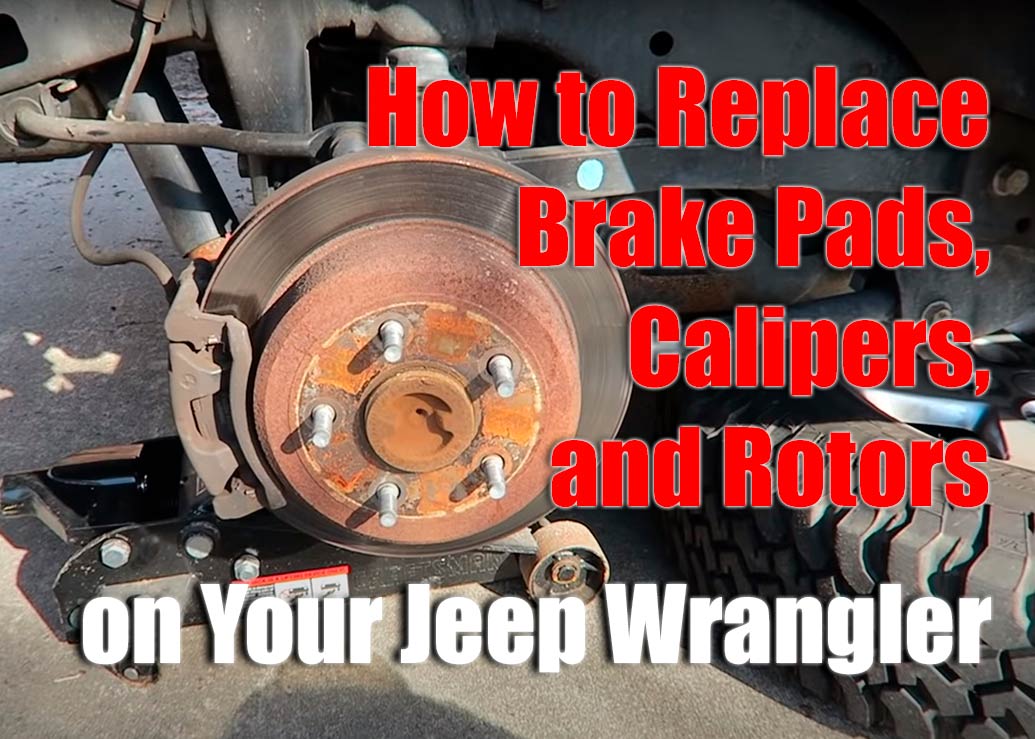
Understanding Jeep Brake System Basics
A Jeep brake system converts your foot pressure into stopping force through a hydraulic process. When you press the brake pedal, fluid pressure moves through the system and pushes the caliper pistons against the brake pads.
The brake pads squeeze the spinning rotors, creating friction that slows the wheels. The Complete Guide to Jeep Brake Pads Rotors Calipers and Hydraulic Components starts with this simple process because every repair decision depends on knowing how these parts interact.

- ✦ Brake Pads
Brake pads create friction against the rotor and are the main wear item in the system.
- ✦ Brake Rotors
Rotors provide the surface where pads create friction and help remove heat.
- ✦ Brake Calipers
Calipers hold the pads and use hydraulic pressure to apply braking force.
- ✦ Hydraulic Components
Brake fluid, lines, hoses, and the master cylinder transfer pedal force to the wheels.
Why Jeep Brake Systems Face Extra Stress
Many Jeep owners install larger tires, lift kits, and added accessories. These upgrades can increase the load placed on the brakes during stops.
Off-road driving also creates unique challenges. Mud, water, dust, and steep trails can affect brake parts if maintenance is ignored.
- ✦ Extra Vehicle Weight
Added equipment increases the energy brakes must control.
Jeep Brake Pads: Function, Types, and Wear Signs
Brake pads are designed to wear down over time because they create the friction needed to stop your Jeep. A good pad provides strong braking while controlling noise, heat, and dust.
The Complete Guide to Jeep Brake Pads Rotors Calipers and Hydraulic Components shows why pad selection matters. Different driving habits require different pad materials.

- ✦ Ceramic Brake Pads
Ceramic pads offer quiet operation and lower dust for daily driving.
- ✦ Semi-Metallic Brake Pads
Semi-metallic pads provide strong heat control for heavier use and towing.
- ✦ Organic Brake Pads
Organic pads are softer and can provide smooth pedal feel but may wear faster.
Common Signs of Brake Pad Wear
A thin pad, squealing sound, or longer stopping distance often means inspection is needed. Uneven wear may also point to caliper or alignment issues.
I recommend checking pad thickness during tire rotations because it is easy to catch problems early.
- ✦ Warning Signs
Listen for squealing, grinding, or notice changes in pedal feel.
Jeep Brake Rotors and Heat Management
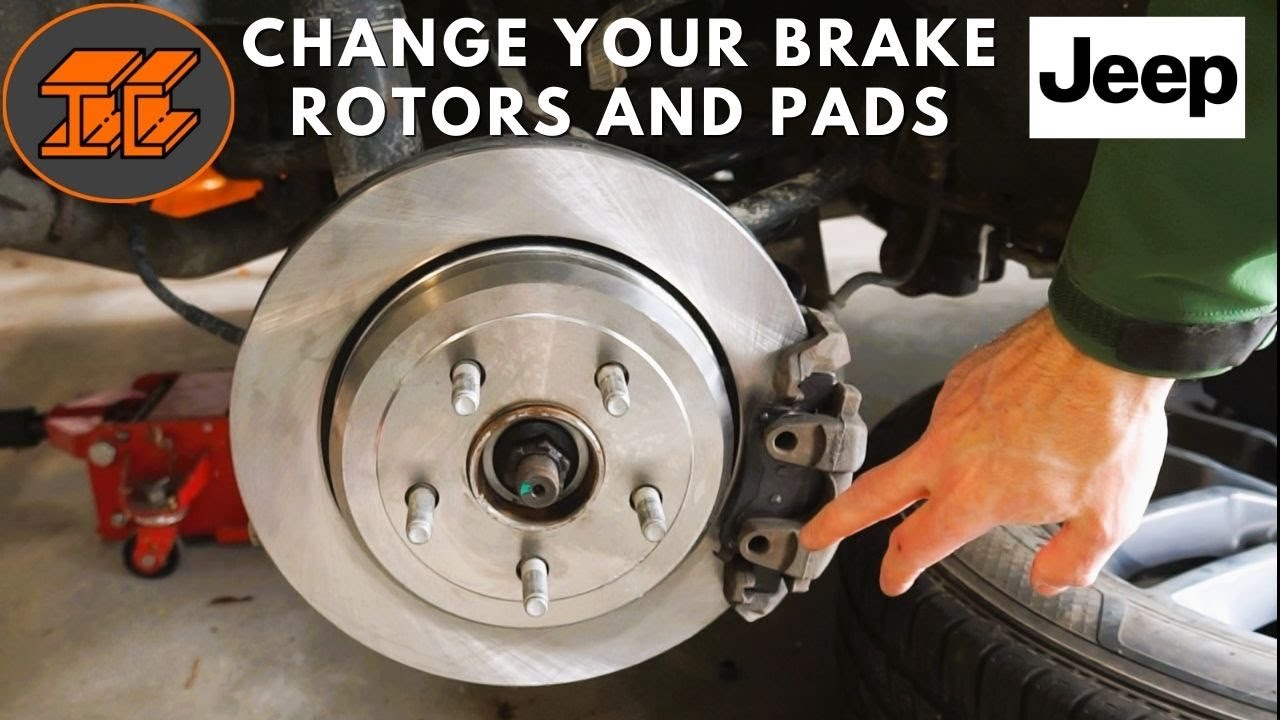
Brake rotors are metal discs connected to the wheel hub. They absorb heat created during braking and provide a smooth surface for the pads.
A damaged rotor can reduce braking quality. Common issues include grooves, cracks, rust buildup, and uneven surfaces.
- ✦ Rotor Thickness
Rotors must stay above the minimum thickness limit for safe operation.
- ✦ Rotor Surface
A smooth surface helps brake pads work evenly.
Symptoms of Rotor Problems
A shaking steering wheel during braking often points to uneven rotor surfaces. Drivers may also feel vibration through the brake pedal.
Replacing worn rotors with quality parts can restore smoother braking performance.
- ✦ Brake Vibration
Pulsation during braking can indicate rotor surface problems.
Jeep Brake Calipers and Their Role in Stopping Power
Brake calipers are the parts that push the brake pads against the rotors. They rely on hydraulic pressure to move pistons smoothly.
A stuck or damaged caliper can cause uneven pad wear, pulling during braking, and extra heat. The Complete Guide to Jeep Brake Pads Rotors Calipers and Hydraulic Components includes caliper care because caliper problems often damage other brake parts.

- ✦ Fixed Calipers
Fixed calipers use pistons on multiple sides for strong braking performance.
- ✦ Floating Calipers
Floating calipers move on slides and are common in many Jeep models.
Caliper Maintenance Tips
Clean caliper slide areas and inspect rubber seals during brake service. Proper movement helps pads wear evenly.
Ignoring caliper issues can lead to overheating and faster rotor damage.
- ✦ Inspect Movement
Calipers should move smoothly without sticking.
Jeep Hydraulic Brake Components Explained
Hydraulic components create the force needed to activate the brakes. The system uses brake fluid to transfer pressure from the pedal to each wheel.
A healthy hydraulic system gives a firm pedal and predictable braking response. Problems in this area can make a Jeep feel unsafe even when pads and rotors look good.

- ✦ Master Cylinder
The master cylinder creates hydraulic pressure when you press the brake pedal.
- ✦ Brake Lines
Metal lines carry fluid throughout the vehicle.
- ✦ Brake Hoses
Flexible hoses allow wheel movement while carrying brake fluid.
Brake Fluid Maintenance
Brake fluid absorbs moisture over time, which can reduce performance. Regular fluid checks help protect the entire system.
A soft brake pedal may indicate air in the lines or hydraulic problems that require inspection.
- ✦ Fluid Condition
Clean fluid supports reliable hydraulic pressure.
Frequently Asked Questions about Complete Guide to Jeep Brake Pads Rotors Calipers and Hydraulic Components

Jeepexplorerr
Contributor