The Complete Guide to Jeep Brake Pedals Brake Feel and Braking Performance starts with understanding what your foot feels through the pedal. A Jeep is built for many tasks, from highway trips across the United States to slow climbs on rocky trails. Your brake pedal must give clear feedback in every situation.
After working with different Jeep platforms, one lesson stays consistent: brake feel tells you a lot about the health of the entire braking system. A soft pedal, extra travel, shaking, or slow response often points to a problem that needs attention.
This Complete Guide to Jeep Brake Pedals Brake Feel and Braking Performance explains how the pedal works, what creates good brake response, and how owners can improve safety through proper care.

Understanding Jeep Brake Pedal Operation and Brake System Basics
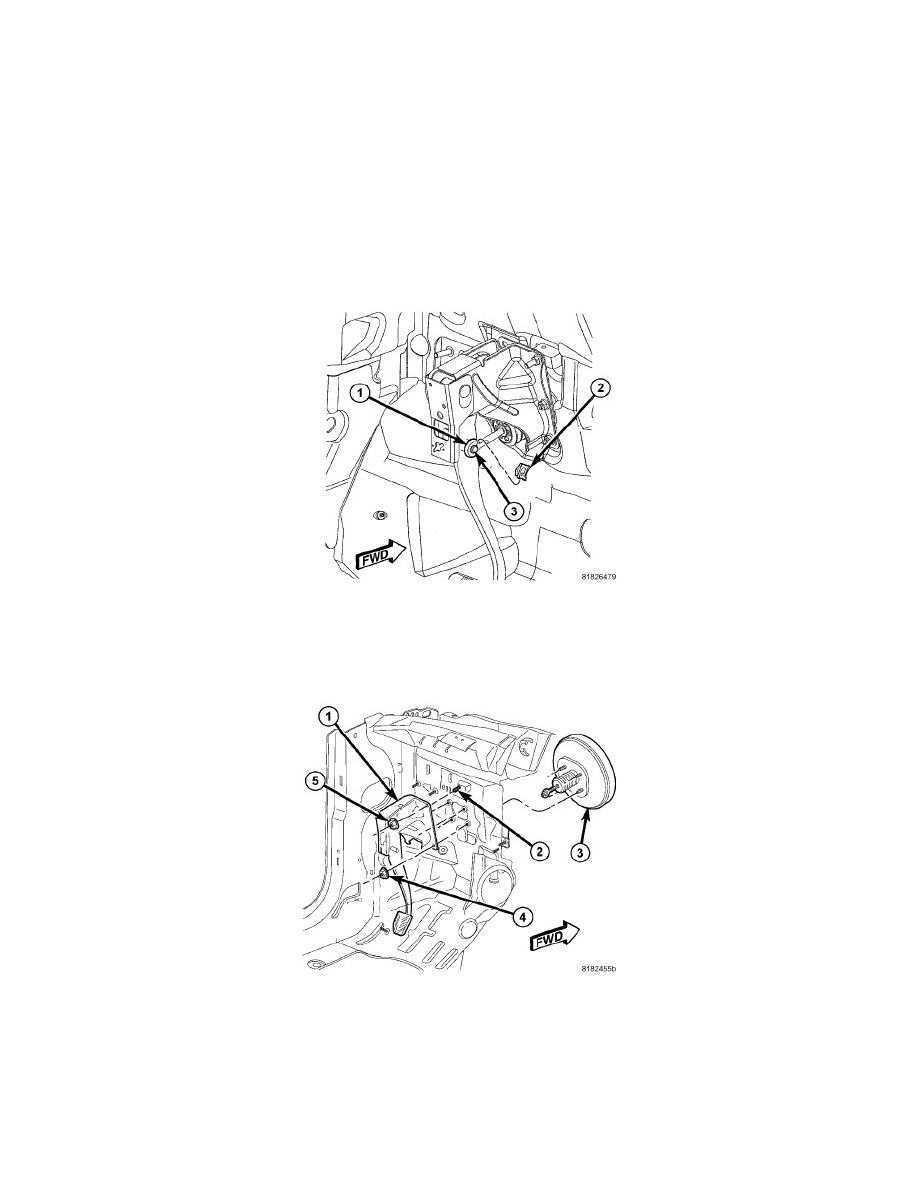
A Jeep brake pedal connects your foot movement to a larger system that creates stopping force. When you press the pedal, the brake booster helps increase force before the master cylinder sends fluid pressure to the brakes.
The Complete Guide to Jeep Brake Pedals Brake Feel and Braking Performance begins with these basic parts because every component affects the final pedal sensation. A healthy system transfers pressure quickly and smoothly.
Modern Jeep models use advanced brake systems that may include anti-lock brakes, electronic brake control, and traction systems. These features help maintain control when road conditions change.

- ✦ Brake pedal
The pedal provides driver input and communicates how the brake system responds.
- ✦ Brake booster
The booster reduces the effort needed to create braking pressure.
- ✦ Master cylinder
The master cylinder converts pedal movement into hydraulic pressure.
Why Brake Pedal Feedback Matters
Brake feedback helps drivers understand how much stopping force is available. A firm pedal usually gives better confidence because the response feels controlled.
A Jeep used for towing, commuting, or off-road driving needs consistent pedal feedback. Changes in pedal feel should never be ignored.
What Creates Good Jeep Brake Feel
Good brake feel comes from balance between mechanical parts, hydraulic pressure, and driver input. A Jeep with clean brake fluid, strong components, and proper adjustments will usually feel direct and predictable.
The Complete Guide to Jeep Brake Pedals Brake Feel and Braking Performance shows why a simple pedal press involves many systems working together. Even small problems can change the way the vehicle feels.
Tire condition and suspension setup also influence braking. Worn tires or incorrect suspension changes can reduce grip and make the pedal feel less effective.
- ✦ Firm pedal response
A firm pedal allows better control and reduces uncertainty during braking.
- ✦ Smooth pressure build-up
The brake should increase stopping force in a steady and predictable way.
- ✦ Consistent performance
The pedal should feel similar during repeated stops.
How Brake Fluid Affects Pedal Feel
Brake fluid absorbs moisture over time, which can lower braking performance. Old fluid may create a softer pedal because the system cannot maintain pressure as well.
Regular brake fluid inspection and replacement help keep pedal response strong.
- ✦ Moisture control
Fresh brake fluid helps maintain reliable hydraulic pressure.
Common Jeep Brake Pedal Problems and Warning Signs
Brake pedal problems often appear slowly. Drivers may notice a different pedal height, longer stopping distance, or a strange feeling before a major failure occurs.
The Complete Guide to Jeep Brake Pedals Brake Feel and Braking Performance includes learning these warning signs because early action can prevent expensive repairs and safety risks.
Many brake issues come from normal wear, but some problems require immediate inspection by a qualified technician.
- ✦ Soft brake pedal
A soft pedal may indicate air in the brake lines, fluid issues, or hydraulic problems.
- ✦ Hard brake pedal
A very hard pedal may point to a brake booster or vacuum-related issue.
- ✦ Brake pedal vibration
Vibration can come from uneven rotors, wheel issues, or other brake components.
Signs You Should Inspect Your Jeep Brakes
Drivers should inspect their brakes when they hear grinding sounds, feel pulling, or notice changes in pedal travel. These symptoms often appear before braking performance drops significantly.
A quick inspection can protect brake parts and improve confidence behind the wheel.
How Jeep Brake Components Influence Stopping Performance
The Complete Guide to Jeep Brake Pedals Brake Feel and Braking Performance must include every part that affects stopping power. Brake pads, rotors, calipers, and tires all play a role.
Upgrading only one component may not always create better results. The entire brake system must work together for balanced performance.
For example, larger tires used on lifted Jeeps add weight and change braking demands. Owners should consider complete system balance when modifying their vehicles.

- ✦ Brake pads
Pads create friction against rotors and directly affect stopping ability.
- ✦ Brake rotors
Rotors help manage heat and provide a surface for brake pads.
- ✦ Brake calipers
Calipers apply pressure to hold the pads against the rotors.
Improving Jeep Brake Pedal Feel Through Maintenance and Upgrades
Improving brake feel usually starts with maintenance. Fresh fluid, properly adjusted components, and quality brake parts often restore the original driving experience.
The Complete Guide to Jeep Brake Pedals Brake Feel and Braking Performance also covers upgrades for owners who demand more from their Jeeps. Off-road use, towing, and larger tires can require stronger braking solutions.
A good upgrade focuses on control rather than simply adding parts. Balanced improvements create better confidence in daily driving and demanding conditions.
- ✦ Brake service
Regular inspections help identify worn parts before they affect performance.
- ✦ Quality components
Better brake parts can improve durability and consistency.
- ✦ Proper installation
Correct installation ensures the brake system works as designed.
Brake Upgrades for Modified Jeeps
Lifted Jeeps and vehicles with larger tires may need brake improvements to handle extra weight. Owners should consider brake capacity along with suspension and tire changes.
A complete approach creates safer and more predictable braking.
Frequently Asked Questions about Complete Guide to Jeep Brake Pedals Brake Feel and Braking Performance

Jeepexplorerr
Contributor