The Complete Guide to Jeep Sway Bars End Links and Body Roll Control explains how these small but important suspension parts affect your Jeep’s safety, comfort, and handling. Many Jeep owners focus on tires, lifts, and shocks, but sway bar parts play a major role in keeping the vehicle balanced on roads and trails.
From my experience working with Jeep suspension systems, worn sway bar end links are one of the first areas I inspect when a driver reports clunking sounds or loose cornering feel. A properly working sway bar system helps a Jeep feel controlled during highway driving while still allowing suspension movement when exploring rough terrain.
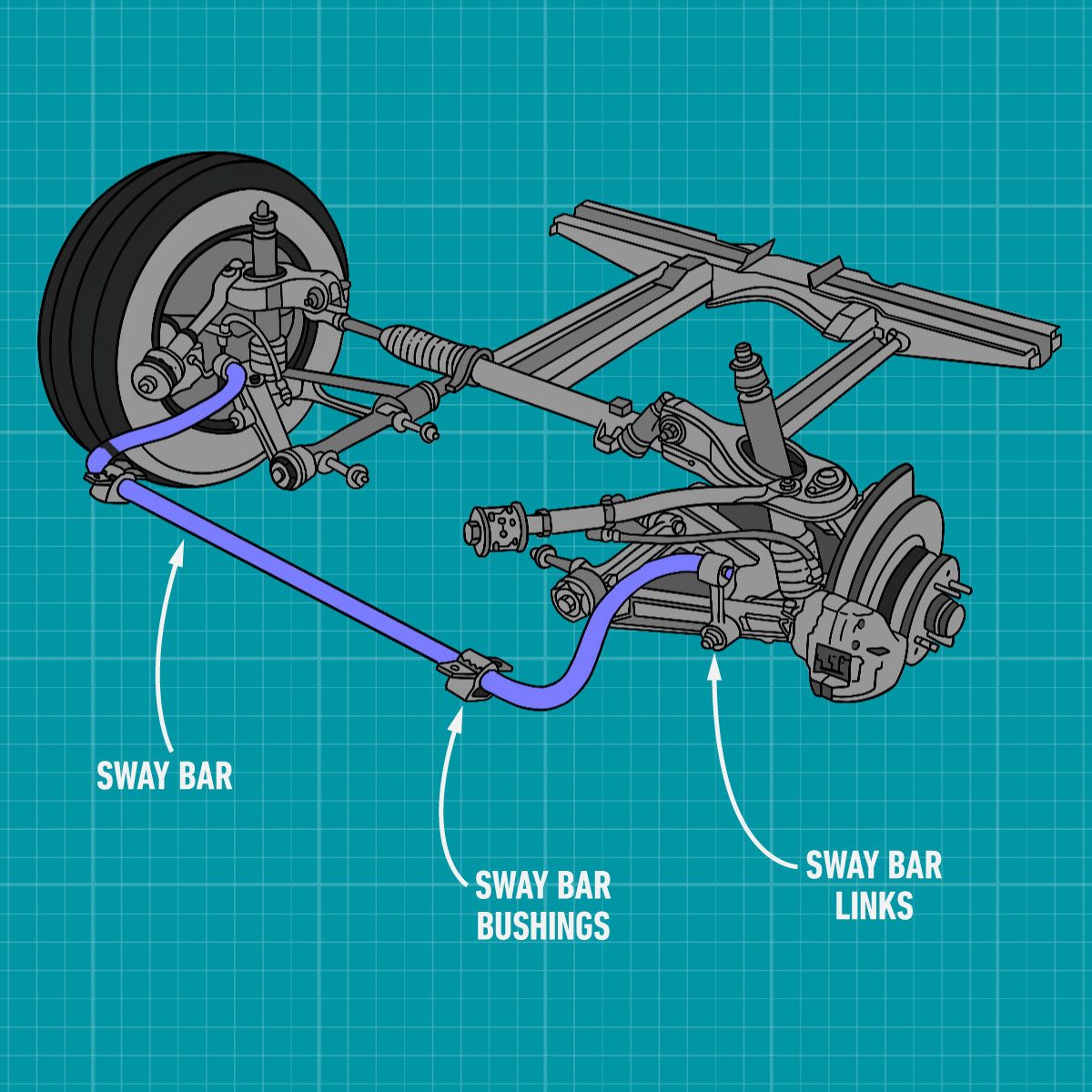
What Is a Jeep Sway Bar and How Does It Work?
A Jeep sway bar, also called an anti-roll bar or stabilizer bar, is a suspension component that limits excessive body movement during turns. It connects the left and right sides of the suspension so they work together when the Jeep changes direction.
The Complete Guide to Jeep Sway Bars End Links and Body Roll Control starts with understanding this simple idea. When a Jeep enters a corner, weight shifts toward the outside wheels. The sway bar helps resist that shift and keeps the body closer to level.
This system is especially useful on American roads where Jeeps often move between highways, city streets, and uneven trails. A good sway bar setup improves driver confidence without removing the Jeep’s natural flexibility.

- ✦ Reduces body roll
The sway bar limits side-to-side leaning during turns and quick lane changes.
- ✦ Improves stability
A working sway bar helps keep the Jeep balanced and predictable.
- ✦ Supports suspension control
The sway bar works with shocks, springs, and control arms to manage movement.
Why Body Roll Happens in Jeeps
Jeeps have a taller ride height than many passenger cars. This design gives them ground clearance but also creates more weight transfer during turns.
Body roll is normal, but too much roll can make the Jeep feel unstable. The sway bar helps control this movement while keeping the suspension responsive.
- ✦ Higher center of gravity
A taller vehicle naturally experiences more side movement during cornering.
Understanding Jeep Sway Bar End Links and Their Purpose
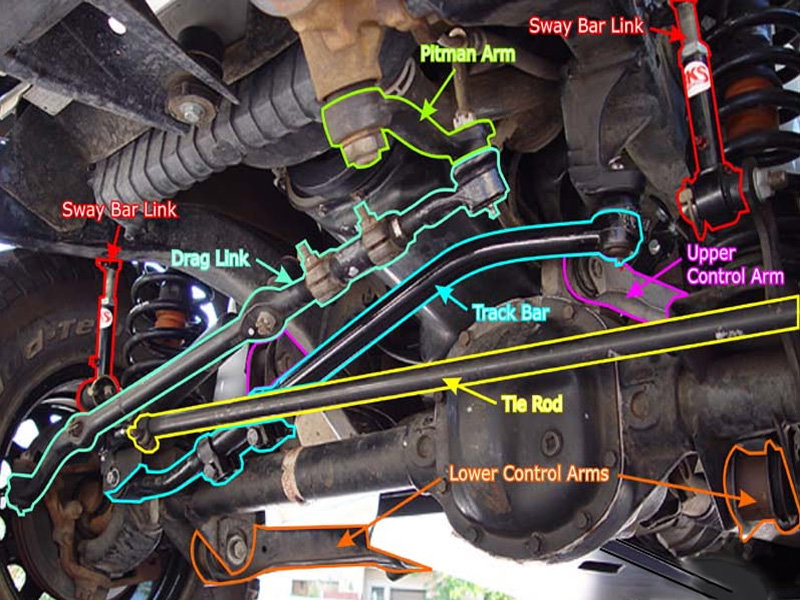
Sway bar end links connect the sway bar to the suspension. They transfer movement between the suspension and the stabilizer bar so the system can control body motion.
The Complete Guide to Jeep Sway Bars End Links and Body Roll Control would not be complete without discussing end links because they often fail before the sway bar itself. A damaged link can create noise and reduce handling performance.
Many Jeep owners notice problems after installing lift kits because changing ride height can place extra stress on factory end links. Correct length and strength become important for proper suspension geometry.

- ✦ Connects suspension parts
End links attach the sway bar to suspension points and allow controlled movement.
- ✦ Maintains correct geometry
The right end link length keeps the sway bar working at the proper angle.
Common Types of Jeep Sway Bar End Links
Factory-style end links work well for stock Jeeps and normal street use. Upgraded versions often use stronger materials for lifted or heavily used vehicles.
Quick disconnect links are popular among off-road Jeep owners because they allow more suspension travel on trails.
- ✦ Fixed end links
Designed for standard driving and factory suspension setups.
- ✦ Quick disconnect links
Allow easier sway bar removal during off-road articulation.
Signs of Bad Jeep Sway Bar Links and Suspension Problems
A failing sway bar end link usually gives warning signs before it completely breaks. Paying attention to these symptoms can prevent larger suspension problems.
In the Complete Guide to Jeep Sway Bars End Links and Body Roll Control, regular inspection is one of the easiest ways to protect handling quality. Small worn parts can create noticeable changes in how your Jeep feels.

- ✦ Clunking noises
Loose links often create knocking sounds when driving over bumps.
- ✦ More body movement
A worn sway bar connection can allow extra leaning during turns.
- ✦ Loose steering feel
Poor suspension control can make the Jeep feel less stable.
How to Inspect Sway Bar Components
Look for damaged bushings, loose bolts, rust, or visible movement in the end links. A simple visual check can reveal many common issues.
If your Jeep has a lift kit or larger tires, inspect the sway bar system more often because added weight and changed angles can increase stress.
- ✦ Check mounting points
Loose hardware can create noise and reduce performance.
How Sway Bars Affect Jeep Off-Road Performance
A sway bar improves road handling, but off-road driving requires a different balance. When a Jeep climbs over rocks or uneven ground, each wheel may need to move independently.
This is why many trail-focused Jeep owners use sway bar disconnect systems. They allow more suspension travel while keeping the system connected for normal driving.
The Complete Guide to Jeep Sway Bars End Links and Body Roll Control shows that the best setup depends on how you use your Jeep. A daily driver and a dedicated trail vehicle may need different solutions.
- ✦ More articulation
Disconnect systems allow greater wheel movement on uneven terrain.
- ✦ Better street manners
Reconnect the sway bar for safer highway and city driving.
Choosing Between Stock and Upgraded Sway Bars
Stock components are often enough for normal driving. Upgraded parts make more sense for Jeeps with lifts, heavy accessories, or frequent off-road use.
The right choice depends on your driving style, vehicle setup, and comfort goals.
- ✦ Stock setup
Best for factory Jeeps used mainly on roads.
Replacing Jeep Sway Bars and End Links: What Owners Should Know
Replacing sway bar end links is a common Jeep suspension repair. The job usually involves removing old hardware, installing new links, and checking that all fasteners are secure.
Many owners can complete the repair with basic tools, but rusted bolts and modified suspension systems can make the process harder. Proper installation matters because loose hardware can quickly damage new parts.
The Complete Guide to Jeep Sway Bars End Links and Body Roll Control recommends checking related suspension parts during replacement. Bushings, bolts, and mounting brackets should all be inspected.

- ✦ Inspect before replacing
Confirm the actual cause before buying new parts.
- ✦ Use correct hardware
Proper bolts and torque help maintain safe operation.
Maintenance Tips for Long-Term Reliability
Regular checks help catch wear early. This is especially important for Jeeps exposed to mud, water, salt, or frequent trail use.
Keeping suspension parts clean and properly tightened helps extend their service life.
- ✦ Inspect after off-road trips
Mud and impacts can accelerate wear on suspension parts.
Frequently Asked Questions about Complete Guide to Jeep Sway Bars End Links and Body Roll Control

Jeepexplorerr
Contributor