The Complete Guide to Jeep Shock Absorbers Ride Control and Suspension Wear explains how one of the most important suspension parts affects your daily drive and off road performance. A Jeep may have strong axles and rugged tires, but worn shocks can make even a capable vehicle feel unstable, harsh, or difficult to control.
From my experience working with Jeep suspension systems, many owners focus on lift kits, tires, and power upgrades first. However, properly working shock absorbers often make the biggest difference in ride quality, steering confidence, and overall vehicle balance.
What Jeep Shock Absorbers Do and Why They Matter
Shock absorbers are hydraulic suspension parts that control spring movement. The springs hold the Jeep’s weight, while shocks manage how quickly the suspension moves after bumps, dips, and rough terrain.
The Complete Guide to Jeep Shock Absorbers Ride Control and Suspension Wear starts with understanding this basic role. Without proper shock control, a Jeep can bounce, lean, and lose tire contact during driving.
- ✦ Controls suspension movement
Shocks slow down spring movement to create a smoother and more controlled ride.
- ✦ Improves tire contact
A good shock helps keep tires planted on uneven roads and trails.
- ✦ Supports handling
Working shocks reduce body roll and improve driver confidence during turns.
How Shock Absorbers Work
Inside a shock absorber, hydraulic fluid moves through small valves as the suspension travels. This creates resistance that slows sudden movement.
A damaged or worn shock cannot control movement correctly. The Jeep may continue bouncing after a bump or feel loose at highway speeds.
- ✦ Compression control
The shock manages movement when the wheel moves upward over an obstacle.
- ✦ Rebound control
The shock controls how the suspension returns after compression.
Signs Your Jeep Shock Absorbers Are Wearing Out
Recognizing worn shocks early can prevent expensive suspension repairs. Many Jeep owners notice small changes in ride quality before a complete failure happens.
The Complete Guide to Jeep Shock Absorbers Ride Control and Suspension Wear shows that symptoms often appear during normal driving, towing, or trail use.
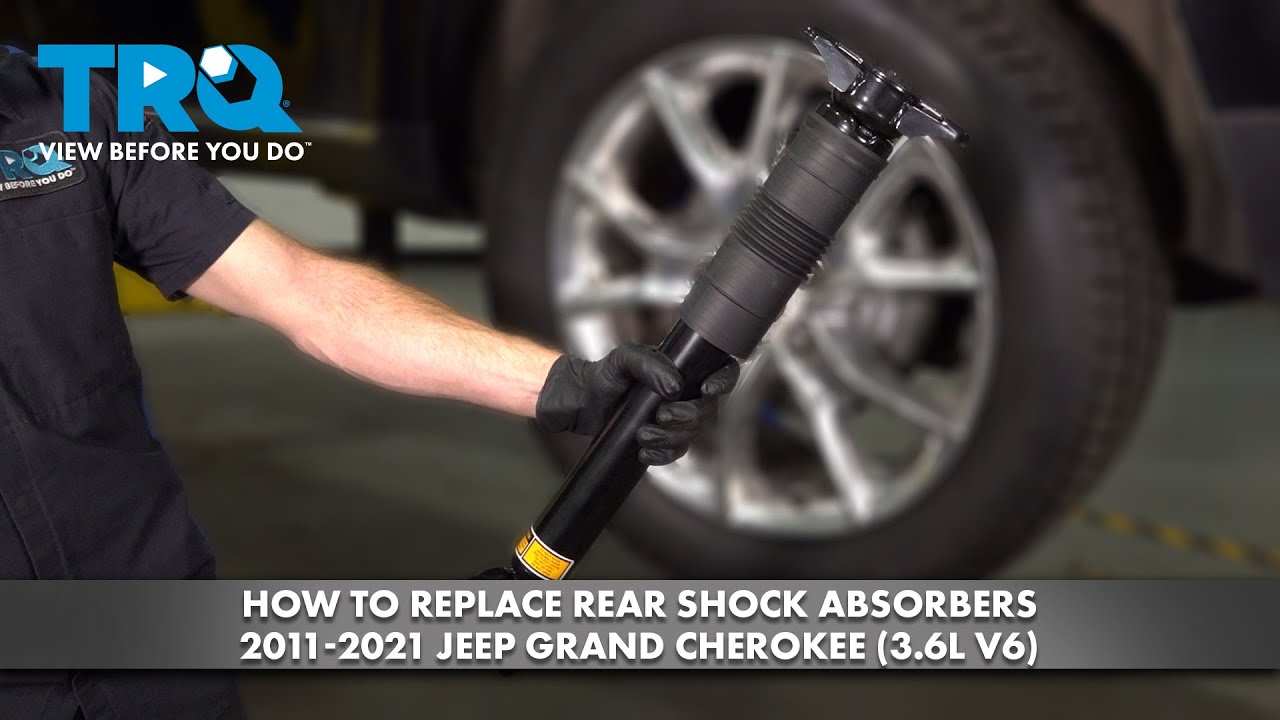
- ✦ Excessive bouncing
A Jeep that keeps moving after a bump may have weak shock control.
- ✦ Uneven tire wear
Poor suspension control can cause uneven contact between tires and the road.
- ✦ Fluid leaks
Oil around the shock body is a common sign of internal damage.
- ✦ Poor handling
Loose steering feel and extra body movement can point to worn shocks.
Checking Shock Condition at Home
A visual inspection is a simple first step. Look for leaking fluid, damaged mounts, rust, dents, and worn bushings.
A short road test can also reveal problems. Pay attention to nose diving during braking, excessive leaning, or repeated bouncing.
- ✦ Inspect mounting areas
Loose bolts or damaged mounts can create noise and reduce performance.
How Shock Absorbers Affect Jeep Ride Control
Ride control is about more than comfort. It affects steering response, braking stability, and how safely a Jeep handles changing road conditions.
The Complete Guide to Jeep Shock Absorbers Ride Control and Suspension Wear shows why shock selection matters for both highway driving and off road adventures.

- ✦ Better highway comfort
Quality shocks reduce harsh movement from road imperfections.
- ✦ Improved off road control
Proper damping helps manage suspension travel over rocks and uneven trails.
Choosing Shocks for Different Jeep Uses
A daily driven Jeep needs balanced comfort and control. A trail-focused Jeep may need stronger damping and more travel for demanding terrain.
The right shock depends on tire size, vehicle weight, suspension setup, and driving style.
- ✦ Stock Jeeps
Factory-style shocks usually provide a comfortable balance for normal driving.
- ✦ Lifted Jeeps
Lifted vehicles often need longer shocks designed for increased suspension travel.
How Worn Shocks Increase Suspension Wear
Shock absorbers work with many other suspension components. When they stop controlling movement, extra stress reaches springs, bushings, ball joints, and steering parts.
This connection is a major part of the Complete Guide to Jeep Shock Absorbers Ride Control and Suspension Wear because replacing shocks at the right time can protect other parts.

- ✦ Bushing stress
Excess suspension movement can wear rubber and polyurethane bushings faster.
- ✦ Spring fatigue
Poor damping allows repeated harsh movement that can affect springs over time.
- ✦ Steering wear
Extra movement can increase stress on steering linkage components.
Why Off Road Jeeps Need More Inspection
Trail driving creates more suspension movement than normal street use. Rocks, mud, and uneven surfaces place extra demands on shocks.
Jeep owners who frequently explore trails should inspect shock mounts and bodies more often.
- ✦ After trail damage
Check for dents, leaks, and bent shock shafts after rough terrain.
Replacing Jeep Shock Absorbers and Selecting the Right Upgrade
Replacing shocks is one of the most common Jeep suspension improvements. The process is usually straightforward, but correct sizing and application are important.
The Complete Guide to Jeep Shock Absorbers Ride Control and Suspension Wear recommends matching shocks to your Jeep model, suspension height, and driving needs.

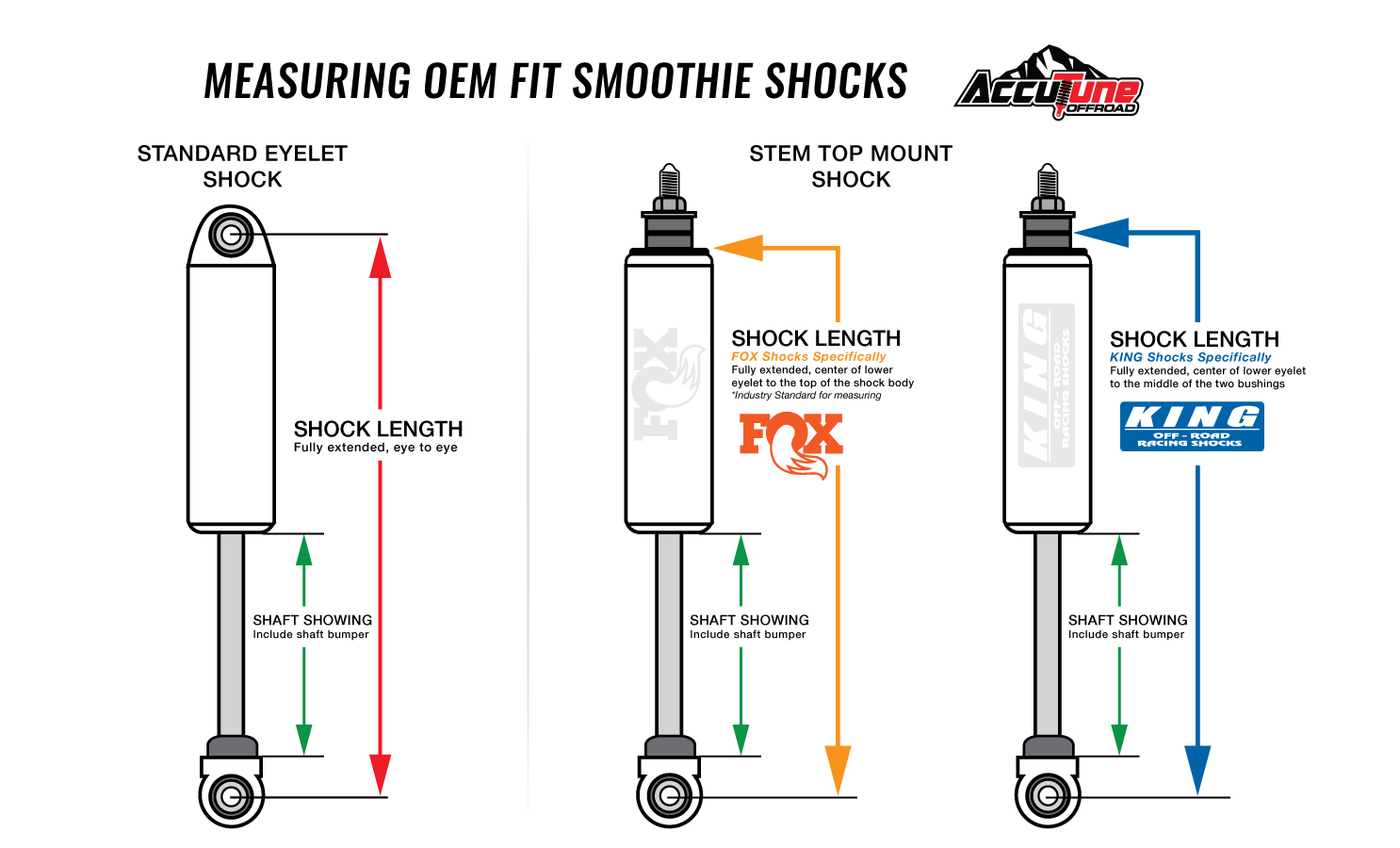
- ✦ Match shock length
Incorrect length can limit suspension travel or cause damage.
- ✦ Consider driving style
Choose a setup based on street comfort, towing, or trail use.
Common Shock Upgrade Mistakes
Many owners choose shocks only by price or brand name. A better approach is matching the shock design to how the Jeep is used.
Installing the wrong shock can reduce performance even if the part is high quality.
- ✦ Wrong travel range
A shock with limited travel can restrict suspension movement.
Frequently Asked Questions about Complete Guide to Jeep Shock Absorbers Ride Control and Suspension Wear

Jeepexplorerr
Contributor