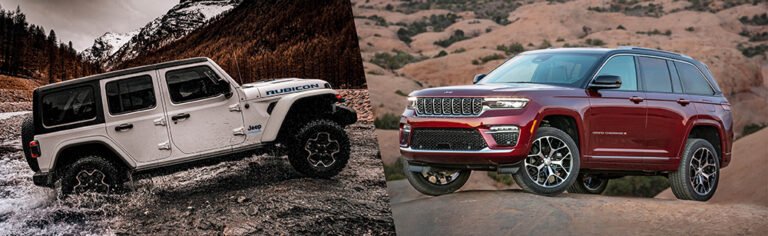
The Jeep Grand Cherokee has built its reputation in the United States by offering luxury SUV comfort with real off-road ability. The transmission and drivetrain are key parts of this balance because they control how engine power reaches the wheels.
From older four-speed and five-speed automatic units to modern eight-speed transmissions, Jeep Grand Cherokee transmission and drivetrain systems have changed greatly over the years. Understanding these systems helps owners choose the right service plan and spot problems early.
In my experience reviewing vehicle systems, the biggest difference between a reliable Grand Cherokee and a troubled one is often maintenance. Clean fluids, correct repairs, and proper driving habits can greatly improve powertrain life.
 display: block; margin: 0 auto; border-radius: 12px; box-shadow: 0 8px 25px rgba(0, 0, 0, 0.12);”>
How Jeep Grand Cherokee Transmission and Drivetrain Systems Work
Jeep Grand Cherokee transmission and drivetrain systems work together to move engine power from the crankshaft to the tires. The transmission controls gear changes while the drivetrain manages power delivery to the front and rear wheels.
Modern Grand Cherokee models use computer-controlled automatic transmissions. These systems adjust shifting based on speed, throttle input, road conditions, and selected drive modes.
A well-designed drivetrain gives the Grand Cherokee strong towing ability, highway comfort, and traction on difficult surfaces.

- ✦ Transmission
The transmission changes gear ratios to provide acceleration, efficiency, and smooth cruising.
- ✦ Transfer Case
The transfer case sends power between axles in four-wheel-drive models.
- ✦ Differentials
Differentials allow wheels to rotate at different speeds during turns.
Power Flow From Engine to Wheels
Power moves from the engine into the transmission, then through the transfer case and differentials before reaching the wheels. Each part must work correctly for smooth operation.
When one component fails, drivers may notice symptoms such as vibration, delayed engagement, or unusual noises.
Jeep Grand Cherokee Automatic Transmission Types
Over several generations, Jeep used many transmission designs in the Grand Cherokee. Older models often used four-speed and five-speed automatic transmissions, while newer models commonly use advanced eight-speed units.
The transmission choice affects fuel economy, towing performance, and driving feel. The Jeep Grand Cherokee transmission and drivetrain systems found in newer vehicles focus on smoother shifts and improved efficiency.

- ✦ Four-Speed Automatics
Older Grand Cherokee models used simple and durable automatic transmissions designed for everyday driving.
- ✦ Five-Speed Automatics
Five-speed units improved highway performance and gear control.
- ✦ Eight-Speed Automatics
Modern eight-speed transmissions provide faster shifts and better fuel economy.
ZF Eight-Speed Transmission Technology
Many newer Grand Cherokee models use ZF-based eight-speed automatic transmissions. These transmissions are known for quick shifts, wide gear ranges, and smooth operation.
Proper fluid levels and service intervals are important because advanced transmissions rely on precise hydraulic control.
Four-Wheel Drive and Traction Systems
The drivetrain is one of the main reasons the Grand Cherokee remains popular among American SUV buyers. Jeep offers different four-wheel-drive systems designed for daily driving, snow, mud, and off-road trails.
Jeep Grand Cherokee transmission and drivetrain systems often include electronic controls that automatically adjust torque distribution when traction changes.

- ✦ Quadra-Trac Systems
These systems provide automatic four-wheel-drive operation for changing road conditions.
- ✦ Quadra-Drive Systems
These systems add advanced traction control through electronic limited-slip technology.
- ✦ Drive Modes
Selectable modes adjust vehicle behavior for snow, sand, mud, and normal roads.
Common Jeep Grand Cherokee Transmission Problems
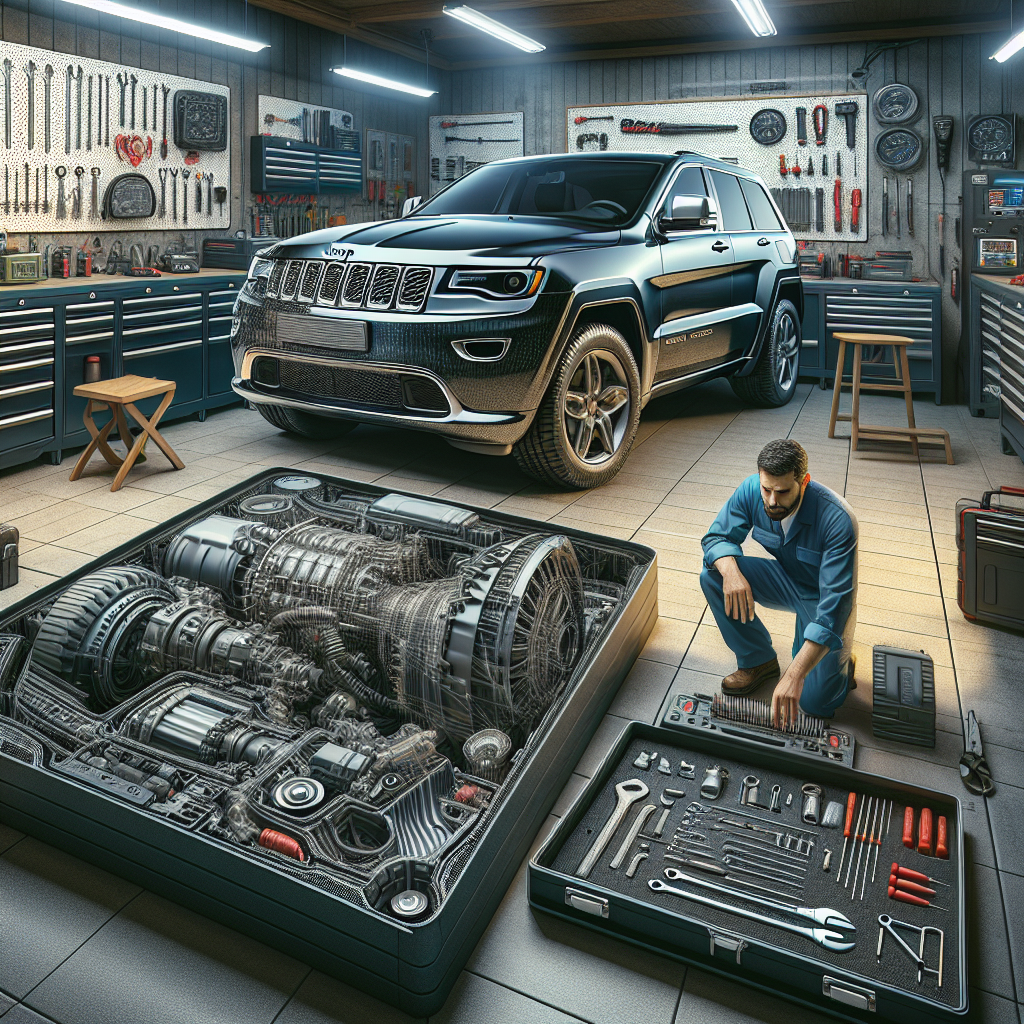
Even reliable powertrains can develop issues when maintenance is ignored. Jeep Grand Cherokee transmission and drivetrain systems may show warning signs before major failure happens.
Owners should pay attention to changes in shifting behavior, leaks, noises, or dashboard warnings. Early diagnosis can prevent expensive repairs.
- ✦ Delayed Shifting
Slow gear engagement may point to fluid, sensor, or internal transmission issues.
- ✦ Transmission Slipping
Slipping can happen when internal components cannot maintain proper power transfer.
- ✦ Drivetrain Vibration
Vibration may come from driveshaft, differential, or axle-related problems.
Maintenance Tips for Long-Term Reliability
Proper maintenance is the foundation of dependable Jeep Grand Cherokee transmission and drivetrain systems. Service needs vary by model year, driving style, and operating conditions.
Drivers who tow, travel off-road, or live in areas with extreme weather should follow a careful maintenance routine.

- ✦ Check Fluids
Inspect transmission and drivetrain fluids according to the owner’s manual.
- ✦ Service Regularly
Scheduled maintenance helps prevent wear and expensive repairs.
- ✦ Inspect Components
Check axles, driveshafts, and transfer cases during service visits.