The Jeep Wrangler Differential and Axle System Explained starts with understanding how power reaches the tires. The engine creates power, but the axle and differential make sure that power reaches the ground in a controlled way.
From daily driving on American highways to weekend trail adventures, the Wrangler axle system must handle different conditions. After working with vehicle systems, one thing becomes clear: many drivetrain problems start when owners ignore axle fluids, gear wear, or incorrect modifications.

What Is a Jeep Wrangler Differential and Axle System?
The Jeep Wrangler Differential and Axle System Explained begins with two main parts: the axle assembly and the differential. The axle supports the vehicle weight and connects the wheels. The differential manages how wheel speed changes when the Jeep turns.
Without a differential, both tires on an axle would spin at the same speed. This creates tire scrub, poor handling, and extra stress on drivetrain parts. The differential solves this by allowing each wheel to rotate at a different speed.

- ✦ Axle Housing
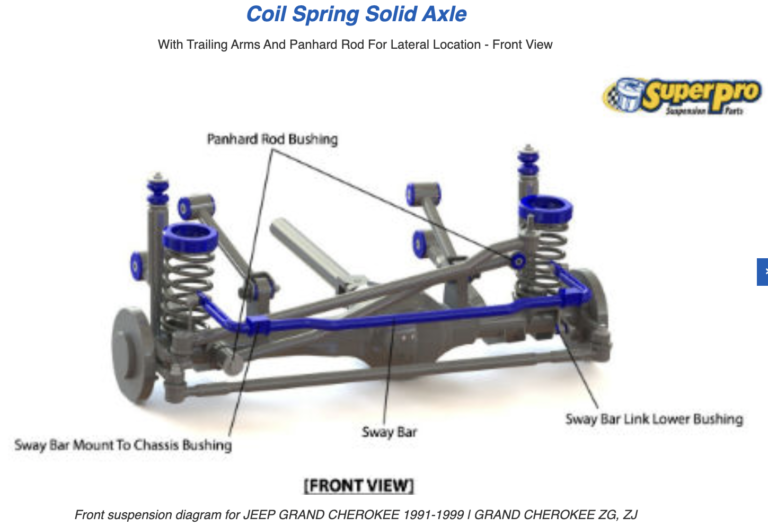
The axle housing protects internal gears, shafts, and bearings while supporting suspension loads.
- ✦ Differential Carrier
The carrier holds the gear system that splits engine power between the wheels.
- ✦ Axle Shafts
Axle shafts transfer rotational force from the differential to the wheels.
How the Wrangler Differential Works
The differential uses gears to divide torque between the left and right wheels. During a turn, the outside wheel travels farther than the inside wheel, so it must rotate faster.
A standard open differential works well for normal driving. However, serious off-road drivers often prefer limited-slip differentials or locking differentials because they provide better traction when one wheel loses contact with the ground.

- ✦ Open Differential
Provides smooth street driving but may send power away from a wheel with poor traction.
- ✦ Limited Slip Differential
Helps transfer power when one wheel begins to lose grip.
- ✦ Locking Differential
Locks both wheels together for maximum traction during difficult terrain.
Why Differential Gear Ratio Matters
The gear ratio affects acceleration, towing ability, and fuel use. Many Wrangler owners change gear ratios after installing larger tires because bigger tires increase drivetrain load.
- ✦ Lower Gear Ratio
Provides stronger low-speed power for climbing and off-road driving.
Jeep Wrangler Axle Types and Dana Axles Explained
The Jeep Wrangler Differential and Axle System Explained changes depending on the Wrangler generation. Older and newer models use different axle designs to balance cost, strength, weight, and performance.
Dana axles are common in Wrangler models because they offer a strong design that works well for both daily driving and off-road use. The correct axle depends on the vehicle year and intended purpose.

- ✦ Dana 30 Axle
A common front axle used in many Wrangler models. It works well for moderate off-road use.
- ✦ Dana 44 Axle
A stronger axle option with improved durability for larger tires and harder trails.
- ✦ Heavy Duty Axles
Aftermarket axle upgrades support extreme builds with large tires and increased power.
Front Axle vs Rear Axle
The front axle helps with steering, suspension movement, and power delivery in four-wheel-drive models. The rear axle usually handles more constant driving force and vehicle load.
- ✦ Front Axle Role
Controls front wheel movement and supports steering components.
- ✦ Rear Axle Role
Transfers power to the rear wheels and supports acceleration loads.
Common Jeep Wrangler Differential and Axle Problems
A well-maintained axle system can last many years, but neglect can create expensive repairs. Low fluid levels, damaged seals, worn bearings, and incorrect gear setup are common issues.
Many owners notice problems through unusual sounds. A whining noise during acceleration may point to gear wear, while leaks around the differential cover can indicate seal problems.

- ✦ Differential Fluid Leaks
Low fluid can increase heat and damage internal gears.
- ✦ Gear Noise
Whining or grinding sounds may indicate worn bearings or improper gear contact.
- ✦ Axle Shaft Damage
Hard impacts and oversized tires can increase stress on axle shafts.
Jeep Wrangler Axle Maintenance and Upgrade Tips
Regular maintenance keeps the Jeep Wrangler Differential and Axle System Explained reliable for both street use and trails. Checking fluid condition and inspecting leaks should be part of routine ownership.
When upgrading a Wrangler, owners should match axle strength with tire size, driving style, and engine power. A strong axle is only useful when the entire drivetrain works together.
- ✦ Change Differential Fluid
Follow the recommended service schedule and use the correct lubricant.
- ✦ Inspect Axle Seals
Look for leaks around axle tubes, covers, and shafts.
- ✦ Choose Proper Upgrades
Select gears, lockers, and axles based on real driving needs.