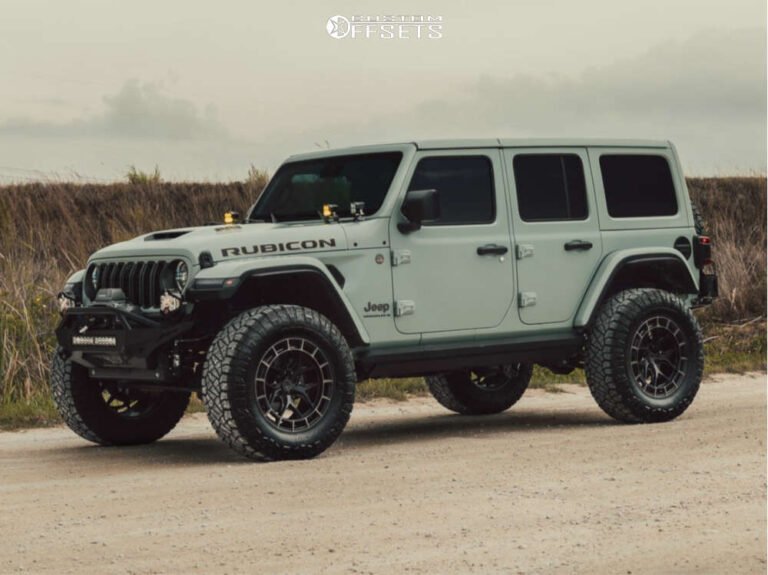
Jeep Suspension Geometry Articulation and How It Affects Off-Road Performance is a key topic for anyone building a trail-ready Jeep. A suspension system is not only about adding lift height. The angles, movement, and connection points of suspension parts decide how well a Jeep handles difficult terrain.
From rocky trails in Moab to muddy forest roads across the United States, a Jeep with balanced suspension geometry can maintain better tire contact and driver control. Understanding these basics helps owners choose smarter upgrades and avoid common suspension mistakes.
What Is Jeep Suspension Geometry?
Jeep suspension geometry describes the relationship between suspension parts, wheel movement, and chassis position. It includes control arm angles, axle location, steering angles, and suspension travel.
Jeep Suspension Geometry Articulation and How It Affects Off-Road Performance depends on how these parts work together. Good geometry allows the suspension to move freely while keeping the Jeep predictable.
- ✦ Control arm angles
Control arms guide axle movement and help maintain correct wheel position during suspension travel.
- ✦ Axle placement
Proper axle placement improves stability and reduces unwanted movement on trails.
- ✦ Steering alignment
Correct steering geometry helps prevent handling problems after suspension upgrades.
Why Geometry Matters After a Lift Kit
A lift kit changes the factory suspension angles. Without correction, parts may operate outside their ideal range.
Many Jeep owners focus only on height, but proper geometry is what makes a lifted Jeep perform well.
- ✦ Common issues
Poor geometry can cause vibration, uneven tire wear, reduced flex, and unstable handling.
Understanding Suspension Articulation and Wheel Travel
Suspension articulation is the ability of a Jeep axle to move up and down while keeping tires connected to the ground. This is critical during slow technical driving.
Jeep Suspension Geometry Articulation and How It Affects Off-Road Performance becomes clear when one tire climbs a rock while another drops into a hole. Strong articulation keeps power moving through the tires.
- ✦ Better traction
More tire contact improves grip on uneven surfaces.
- ✦ Improved obstacle control
Articulation helps the Jeep move smoothly over rocks and deep ruts.
Key Suspension Components That Affect Articulation
Every suspension component affects how a Jeep flexes and reacts on trails. Upgrading one part can change the behavior of the entire system.
A well-built suspension balances flexibility, strength, and control instead of chasing maximum movement alone.
- ✦ Control arms
Longer or adjustable control arms can restore proper angles after lifting a Jeep.
- ✦ Sway bars
Sway bars improve road stability but may limit articulation when off-road.
- ✦ Shocks
Quality shocks control suspension movement and improve comfort and traction.
Solid Axle Benefits for Jeep Off-Road Use
Many Jeep models use solid axles because they provide durability and strong articulation. Both wheels remain connected through the axle housing.
This design is popular among rock crawlers because it performs well on uneven terrain.
How Suspension Geometry Changes Off-Road Performance
Jeep Suspension Geometry Articulation and How It Affects Off-Road Performance directly influences traction, comfort, and driver confidence. A Jeep with correct geometry can climb obstacles with less wheel spin.
Poor setup can create stress on drivetrain parts and make the vehicle harder to control. Balanced suspension tuning matters more than extreme modifications.
- ✦ Rock crawling
Articulation allows tires to follow uneven rock surfaces.
- ✦ Mud driving
Maintaining tire contact helps deliver consistent power.
- ✦ Trail comfort
Proper suspension movement reduces harsh impacts inside the cabin.
Common Jeep Suspension Geometry Mistakes
Many Jeep builds fail because owners change suspension height without correcting related geometry issues. A complete approach creates a safer and better-performing vehicle.
Learning Jeep Suspension Geometry Articulation and How It Affects Off-Road Performance helps avoid expensive trial-and-error upgrades.
- ✦ Ignoring alignment
Incorrect alignment can create tire wear and poor handling.
- ✦ Choosing height over function
A taller Jeep is not always a more capable Jeep.