The Jeep Wrangler Heating Air Conditioning and Climate Control System is designed to keep drivers comfortable during hot summers, cold winters, and changing road conditions. Jeep owners in the United States often depend on this system during long highway trips, off-road adventures, and daily commuting.
From my experience studying vehicle HVAC systems, many Wrangler comfort issues come from small problems such as clogged cabin filters, low refrigerant, faulty blend doors, or worn control switches. Learning how the system works helps owners save time and avoid unnecessary repairs.
Modern Wrangler models use advanced climate controls, while older generations rely on simpler manual systems. Regardless of the model year, the basic goal remains the same: move conditioned air into the cabin at the right temperature and speed.

How the Jeep Wrangler Heating Air Conditioning and Climate Control System Works
The Jeep Wrangler Heating Air Conditioning and Climate Control System combines several parts to control cabin temperature. These parts include the compressor, evaporator, heater core, blower motor, air ducts, sensors, and control panel.
The air conditioning side removes heat from cabin air. The heater side uses engine coolant heat to warm the interior. The climate control system directs air through different vents based on driver settings.
When you change the temperature dial or digital setting, the system adjusts airflow doors and temperature controls. Newer models may use electronic controls, while older Wranglers often use mechanical cables and switches.

- ✦ Compressor
The compressor circulates refrigerant and starts the cooling process by moving heat away from the cabin.
- ✦ Heater Core
The heater core transfers engine coolant heat into the cabin to provide warm air during cold weather.
- ✦ Blower Motor
The blower motor pushes air through vents at different speeds selected by the driver.
Main Climate Control Components
A Wrangler HVAC system depends on many connected parts. If one component fails, the entire system may lose performance.
For example, a working AC compressor cannot cool the cabin if refrigerant is low or airflow is blocked. Proper diagnosis requires checking the complete system.
- ✦ Air Duct System
Channels cooled or heated air from the HVAC housing to cabin vents.
Jeep Wrangler Air Conditioning System Features and Operation
The air conditioning system in a Jeep Wrangler is built to handle demanding driving conditions. Many owners use AC during hot U.S. summers where cabin temperatures can rise quickly.
The system works by compressing refrigerant, cooling air through the evaporator, and sending cold air through the vents. The cabin blower controls how much cooled air reaches passengers.
A properly working AC system should produce cool air within a short time after startup. Slow cooling often points to refrigerant, airflow, electrical, or mechanical problems.

- ✦ Cold Air Production
The evaporator removes heat from cabin air before it reaches the vents.
- ✦ Humidity Control
The AC system removes moisture, helping prevent foggy windows and improving comfort.
Common AC Problems in Jeep Wrangler Models
Common complaints include weak cooling, strange noises, water leaks, and AC blowing warm air. These issues may happen because of aging parts, leaks, electrical faults, or poor maintenance.
A professional inspection can identify whether the problem comes from the compressor, condenser, refrigerant system, or climate control module.
- ✦ Warm Air From Vents
Often caused by low refrigerant, compressor problems, or control system faults.
Jeep Wrangler Heating System and Winter Climate Performance
The heating system is essential for Wrangler owners who drive in colder regions of the United States. It keeps passengers warm and helps clear ice and fog from windows.
The heater uses engine coolant that carries heat from the engine to the heater core. The blower motor then pushes warm air into the cabin.
If a Wrangler heater stops producing warm air, possible causes include low coolant, a blocked heater core, thermostat problems, or blend door issues.

- ✦ Engine Coolant
Provides the heat source used by the heater core.
- ✦ Defrost Function
Directs warm airflow toward the windshield to improve visibility.
Signs of Heater Problems
A heater that takes too long to warm up may indicate coolant flow issues or engine temperature problems.
Unusual smells, poor airflow, or uneven heating should be checked before the issue becomes worse.
- ✦ Weak Heat Output
Can happen because of coolant issues, blocked heater cores, or faulty temperature controls.
Climate Control Technology in Modern Jeep Wrangler Models
Newer Jeep Wrangler models offer improved climate technology compared with older generations. Some versions include automatic temperature control, digital displays, and improved airflow management.
Automatic climate systems use sensors to maintain a selected temperature. The system adjusts fan speed and airflow without constant driver input.
These features improve comfort during long trips because drivers can focus more on the road instead of adjusting controls.
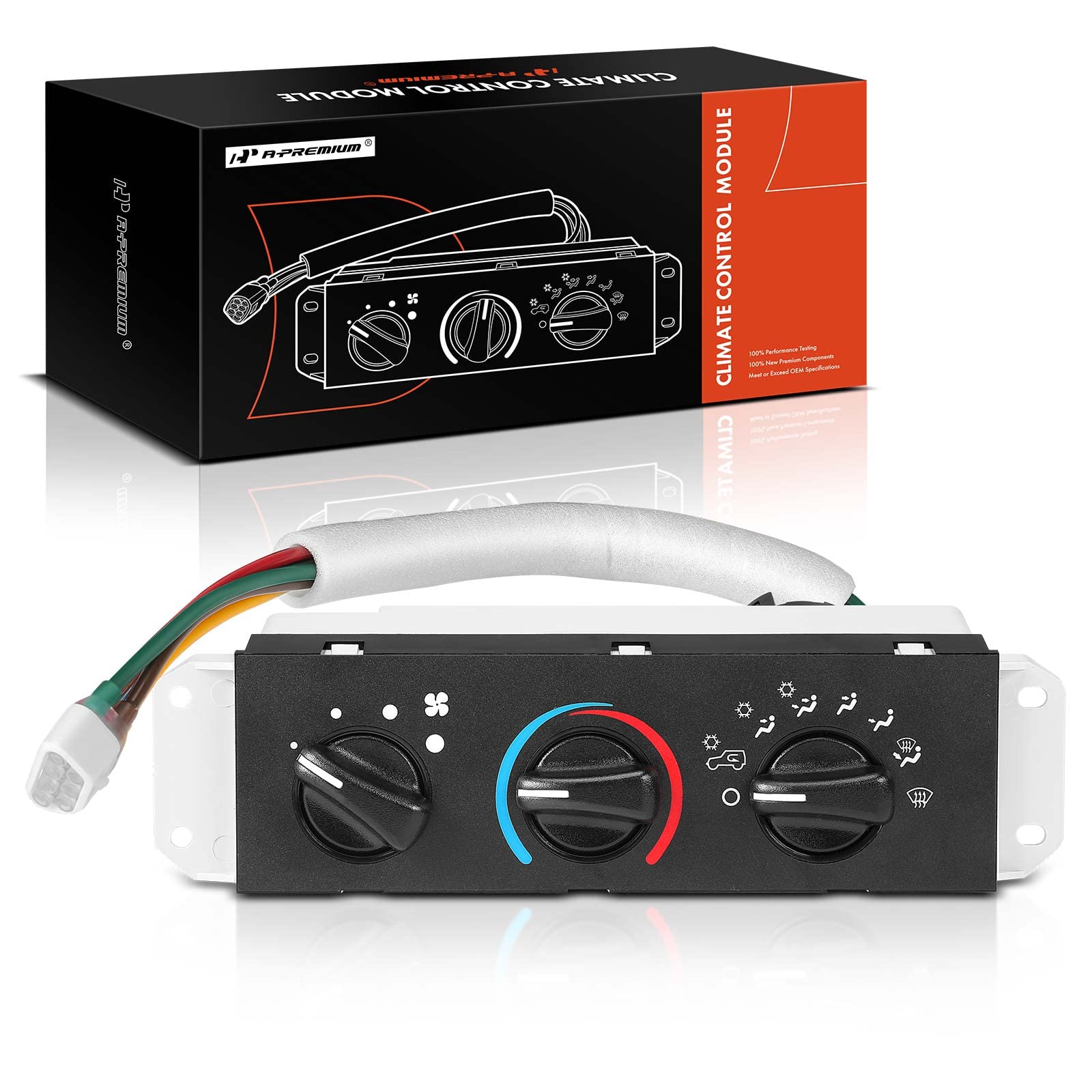
- ✦ Digital Climate Controls
Allow drivers to set exact cabin temperatures using electronic controls.
- ✦ Temperature Sensors
Measure cabin conditions and help maintain consistent comfort.
Manual vs Automatic Climate Control
Manual systems require the driver to adjust fan speed and temperature settings directly. Automatic systems handle many adjustments by themselves.
Both systems can work well when maintained properly.
- ✦ Manual System
Simple design with direct driver control.
- ✦ Automatic System
Uses sensors and electronics for easier temperature management.
Common Jeep Wrangler HVAC Problems and Troubleshooting Tips
The Jeep Wrangler Heating Air Conditioning and Climate Control System can develop problems as vehicles age. Understanding common symptoms helps owners identify issues early.
Some repairs are simple, such as replacing a cabin air filter or checking settings. Other problems require professional tools and technical knowledge.

- ✦ AC Not Cooling
Check refrigerant level, compressor operation, and electrical connections.
- ✦ No Heat
Inspect coolant level, heater core condition, and temperature controls.
- ✦ Low Airflow
Possible causes include dirty filters, blower issues, or blocked ducts.
Maintenance Practices That Improve HVAC Life
Regular maintenance keeps the HVAC system reliable. Owners should inspect filters, check coolant, and run the AC system regularly even during cooler months.
A small inspection can prevent expensive repairs later.
- ✦ Replace Filters
Clean filters improve airflow and cabin air quality.