The Jeep Wrangler Engine Air Intake Throttle and Airflow System is one of the most important parts of engine performance. Every time you press the accelerator, your Jeep must measure, control, and deliver the correct amount of air to the engine. This process affects power, fuel use, throttle response, and overall driving feel.
From daily highway driving in the United States to off-road trails in places like Utah, Colorado, and Arizona, a Wrangler depends on clean and steady airflow. A restricted intake or dirty throttle body can make the engine feel weak, rough, or slow to respond. Proper care keeps the system working as designed.

How the Jeep Wrangler Engine Air Intake Throttle and Airflow System Works
The Jeep Wrangler Engine Air Intake Throttle and Airflow System works as a complete air path. It starts at the air box, moves through the intake tube, passes the throttle body, and reaches the engine cylinders. Each part plays a role in maintaining the correct air and fuel mixture.
Modern Wrangler engines use electronic controls to monitor airflow. Sensors send information to the engine computer, which adjusts fuel delivery and throttle operation. This allows the engine to perform smoothly in different driving conditions.

- ✦ Air Filter
The air filter removes dust, dirt, and debris before air enters the engine.
- ✦ Intake Tube
The intake tube guides air from the filter housing to the throttle body.
- ✦ Throttle Body
The throttle body controls how much air enters the engine based on driver input.
Why Clean Airflow Matters
A gasoline engine needs the right balance of air and fuel to create combustion. Poor airflow can reduce engine efficiency and create hesitation during acceleration.
Many Jeep owners notice airflow problems first as slower throttle response or reduced power when climbing hills or carrying extra gear.
Major Components of the Jeep Wrangler Air Intake System
The Jeep Wrangler Engine Air Intake Throttle and Airflow System contains several connected components. A problem in one area can affect the entire system.
Understanding each component helps Jeep owners diagnose issues before they become expensive repairs.
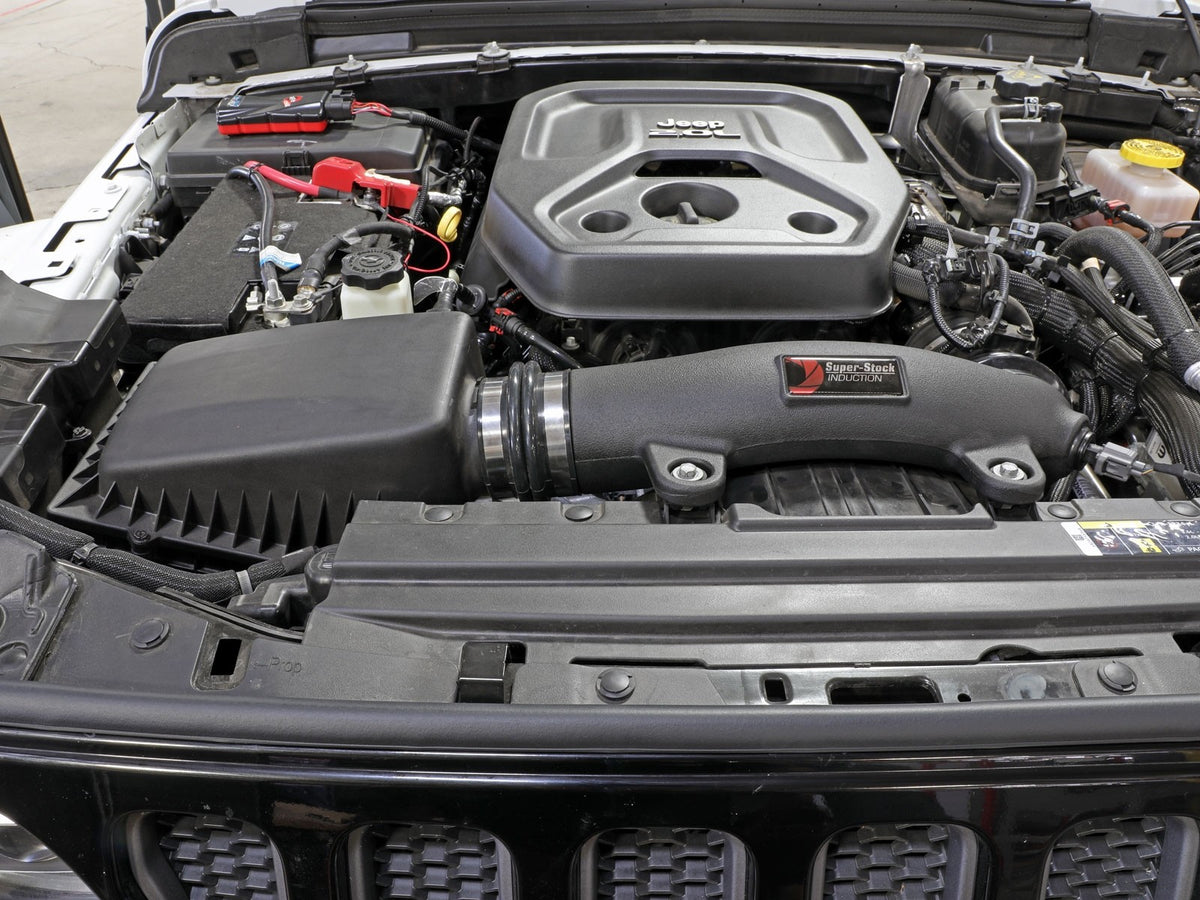
- ✦ Air Intake Housing
The housing protects the filter and helps provide cleaner air from outside the engine bay.
- ✦ Mass Airflow and Pressure Sensors
These sensors measure airflow conditions and help the engine computer adjust performance.
- ✦ Throttle Position System
This electronic system monitors throttle movement and controls engine air delivery.
Electronic Throttle Control in Modern Wranglers
Most newer Jeep Wrangler models use electronic throttle control instead of a traditional cable system. The accelerator pedal sends a signal to the engine computer, which moves the throttle electronically.
This design improves control and allows features like traction management, cruise control, and engine protection systems to work together.
Common Jeep Wrangler Airflow and Throttle Problems
The Jeep Wrangler Engine Air Intake Throttle and Airflow System can develop problems due to dirt, damaged parts, or normal wear. Early signs usually appear as changes in engine behavior.
Regular checks can help Jeep owners avoid performance loss and unnecessary repair costs.
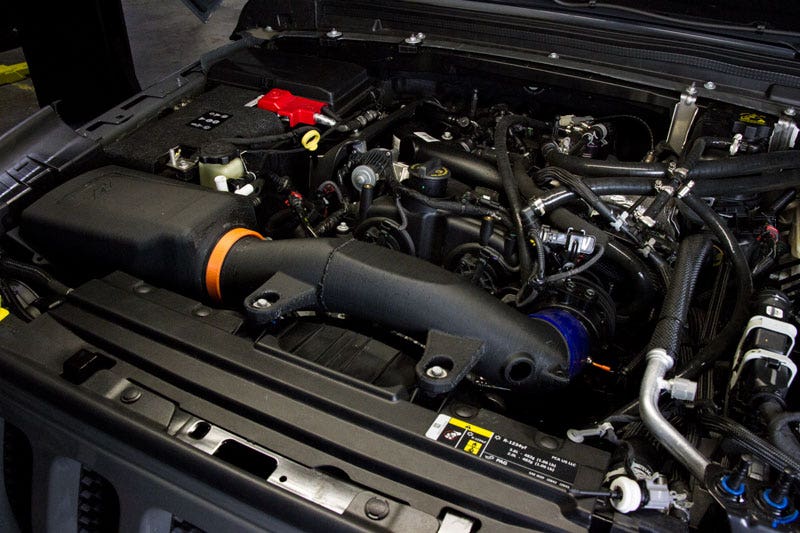
- ✦ Dirty Throttle Body
Carbon buildup can restrict airflow and cause rough idle or delayed acceleration.
- ✦ Clogged Air Filter
A blocked filter reduces the amount of air reaching the engine.
- ✦ Vacuum Leaks
Air leaks can create incorrect air readings and poor engine performance.
- ✦ Sensor Issues
Faulty airflow sensors may cause incorrect fuel adjustments.
Symptoms Jeep Owners Should Watch For
Common warning signs include poor acceleration, unstable idle, engine hesitation, and reduced fuel economy. A check engine light may also appear when airflow readings become incorrect.
A simple inspection of intake connections and filters often reveals small problems before they become larger issues.
Cold Air Intake Upgrades for Jeep Wrangler Performance
Many Jeep owners upgrade the factory intake system with a cold air intake. These systems are designed to reduce airflow restriction and improve the path air takes into the engine.
A quality intake upgrade may improve throttle feel and engine sound. However, results depend on the engine model, installation quality, and overall vehicle setup.

- ✦ Improved Airflow Path
Performance intakes often use smoother tubes and larger openings to reduce restrictions.
- ✦ Better Engine Sound
Many owners choose intake upgrades because they create a deeper engine note under acceleration.
- ✦ Maintenance Needs
Some reusable filters require regular cleaning and oiling to maintain performance.
Factory Intake vs Performance Intake
The factory intake system focuses on reliability, noise control, and protection. Performance systems usually focus more on airflow and engine response.
For most daily drivers, keeping the stock system clean provides excellent performance. Upgrades are most useful for owners who want specific driving improvements.
How to Maintain the Jeep Wrangler Engine Air Intake Throttle and Airflow System
Proper maintenance keeps the Jeep Wrangler Engine Air Intake Throttle and Airflow System reliable. Jeep owners who drive in dusty areas or off-road conditions should inspect intake parts more often.
A clean intake system helps maintain smooth airflow and protects important engine parts from contamination.
- ✦ Replace Air Filters
Check the filter regularly and replace it when dirt buildup reduces airflow.
- ✦ Clean Throttle Body
Remove carbon buildup carefully using proper throttle body cleaning methods.
- ✦ Inspect Intake Connections
Check clamps, hoses, and tubes for cracks or loose connections.
Professional Maintenance Tips
From experience working with vehicle performance systems, airflow issues are often caused by simple problems like loose clamps or dirty filters. A careful inspection can save time and money.
Avoid changing multiple parts at once without testing. Finding the real cause leads to better repairs and long-term reliability.