The Complete Guide to Jeep Wrangler Wheel-Speed Sensors and ABS Operation explains one of the most important safety systems in modern Jeep models. Wheel-speed sensors are small parts, but they provide critical data that helps the ABS module control braking during emergency stops, rain, snow, mud, and off-road conditions.
From years of working with vehicle systems, one common lesson is that many ABS problems are not caused by the brake hardware itself. A dirty sensor, damaged wire, or weak signal from a wheel-speed sensor can create warning lights and confuse drivers. Understanding how the system works helps Jeep owners make better repair decisions.
This guide covers sensor design, ABS operation, common failures, testing methods, replacement steps, and maintenance tips for Jeep Wrangler owners in the United States. Whether you drive a daily commuter Jeep or an off-road build, reliable wheel-speed information is essential for safe control.
Understanding Jeep Wrangler Wheel-Speed Sensors
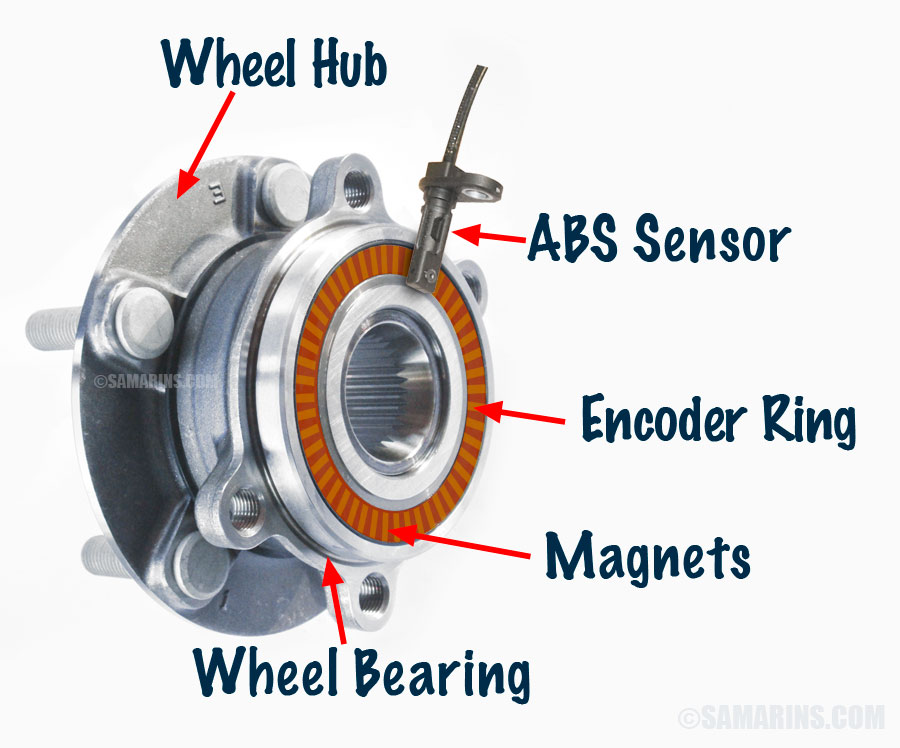
Jeep Wrangler wheel-speed sensors are electronic devices mounted near each wheel hub or axle area. Their job is simple: measure how fast each wheel turns and send that information to the ABS control module.
The Complete Guide to Jeep Wrangler Wheel-Speed Sensors and ABS Operation starts with understanding this basic signal. The ABS system cannot react without accurate wheel speed data because it needs to know if one wheel is slowing faster than the others.
Most modern Wrangler models use active wheel-speed sensors that create digital signals. These sensors work with magnetic encoder rings and provide more accurate readings than older passive designs.

- ✦ Main sensor function
The sensor tracks wheel rotation speed and sends information to vehicle control modules.
- ✦ Location
Sensors are usually found near wheel hubs, steering knuckles, or axle assemblies.
- ✦ System connection
Sensor signals connect with ABS, traction control, and electronic stability control systems.
Active Versus Passive Wheel-Speed Sensors
Passive sensors generate a small electrical signal based on wheel movement. Active sensors use electronic circuits and require power from the vehicle system.
Most newer Jeep Wrangler models use active sensors because they provide better low-speed accuracy and improved ABS performance.
- ✦ Active sensor advantage
Provides cleaner signals and better performance during slow-speed braking.
How ABS Operation Works in a Jeep Wrangler
The anti-lock braking system, commonly called ABS, prevents wheels from locking during hard braking. When a wheel stops rotating while the vehicle is still moving, steering control can become difficult.
The ABS module constantly compares signals from all wheel-speed sensors. If one wheel suddenly slows too much, the system reduces brake pressure to that wheel and then applies pressure again when grip returns.
The Complete Guide to Jeep Wrangler Wheel-Speed Sensors and ABS Operation shows why sensor accuracy matters. A small error in wheel speed information can change how the ABS system responds.

- ✦ Step one
Wheel-speed sensors send rotation data to the ABS control module.
- ✦ Step two
The module identifies possible wheel lock conditions.
- ✦ Step three
Hydraulic valves adjust brake pressure to maintain control.
ABS, Traction Control, and Stability Control Connection
Wheel-speed sensors support more than ABS. Jeep Wrangler traction control and stability systems also depend on these signals.
A single failed sensor may disable multiple safety features because these systems share the same wheel-speed information.
Common Symptoms of a Bad Jeep Wrangler Wheel-Speed Sensor
A failing wheel-speed sensor often gives clear warning signs. Jeep owners should not ignore ABS or traction control lights because the problem can affect important safety functions.
The symptoms can range from simple warning lights to unexpected ABS behavior. Proper diagnosis prevents replacing expensive parts that are still working correctly.

- ✦ ABS warning light
The dashboard ABS light may appear when the system detects an incorrect sensor signal.
- ✦ Traction control warning
The vehicle may disable traction control after losing reliable wheel-speed data.
- ✦ False ABS activation
The ABS may activate during normal braking if sensor readings are incorrect.
- ✦ Speedometer issues
Some Jeep models may show speed-related problems when sensor data fails.
Why Off-Road Jeeps Experience More Sensor Problems
Jeep Wranglers often travel through mud, water, rocks, and rough trails. These conditions can expose sensors and wiring to extra stress.
Regular inspection after off-road trips helps find damaged wires, loose connectors, or debris near the sensor area.
How to Diagnose Jeep Wrangler ABS Sensor Problems
Correct diagnosis is important because ABS faults can come from sensors, wiring, wheel bearings, tone rings, or the ABS module itself.
A professional technician usually starts with a diagnostic scanner that can read ABS trouble codes. This provides a starting point but does not always identify the exact failed part.
A complete inspection includes checking sensor connections, measuring signals, and looking for physical damage around the wheel assembly.

- ✦ Scan ABS codes
Use a compatible scanner to identify stored ABS-related fault codes.
- ✦ Inspect wiring
Look for broken insulation, corrosion, or loose connectors.
- ✦ Check sensor area
Remove dirt and inspect the mounting area for damage.
Testing Sensor Output
Testing methods depend on the Wrangler year and sensor type. Some active sensors require specialized tools because they use digital signals.
A faulty reading compared with the other wheels can help identify a failing sensor.
Replacing a Jeep Wrangler Wheel-Speed Sensor
Replacing a wheel-speed sensor is a common repair for Jeep Wrangler owners. The process usually involves removing the wheel, disconnecting the sensor connector, removing mounting bolts, and installing the new sensor.
The Complete Guide to Jeep Wrangler Wheel-Speed Sensors and ABS Operation recommends checking the entire sensor harness before installation. A new sensor will not fix a damaged wire or connector.
After replacement, the ABS system may need a short drive cycle or code clearing procedure before warning lights disappear.

- ✦ Use quality parts
Choose reliable replacement sensors that match the exact Wrangler model year.
- ✦ Clean mounting area
Remove rust and debris to ensure correct sensor positioning.
DIY Replacement Considerations
Many experienced Jeep owners can replace wheel-speed sensors with basic tools. However, careful handling is important because sensor wiring can be damaged easily.
If ABS lights remain after replacement, further testing may be needed.
Maintenance Tips for Long-Term ABS Sensor Reliability
Wheel-speed sensors usually last many years, but proper maintenance improves reliability. Jeep owners who drive in harsh environments should inspect these parts more often.
Simple checks during brake service can prevent unexpected ABS problems and improve overall vehicle safety.
- ✦ Inspect after off-road use
Check for mud buildup, damaged wires, and loose connectors after trail driving.
- ✦ Maintain wheel bearings
Worn bearings can affect sensor readings and create ABS faults.
- ✦ Keep connectors clean
Clean electrical connections help maintain stable sensor signals.
Frequently Asked Questions about Complete Guide to Jeep Wrangler Wheel-Speed Sensors and ABS Operation

Jeepexplorerr
Contributor