The Complete Guide to Jeep Wrangler Steering Pull Wander and Road Tracking explains why many Wrangler owners feel their vehicle drift, pull, or require constant steering correction. A Wrangler is designed for off-road strength, but its solid axle design also means small changes in steering and suspension parts can affect highway tracking.
From my experience analyzing Jeep handling complaints, the most common mistake is replacing expensive parts before finding the real cause. A simple tire pressure issue, loose track bar bolt, or incorrect alignment can create symptoms that feel like a major steering failure.
American Jeep owners often use their Wranglers for both daily commuting and weekend trails. Because of this mixed use, steering systems face different stresses than normal passenger vehicles. Understanding the warning signs helps prevent unsafe handling and unnecessary repairs.

Understanding Jeep Wrangler Steering Pull, Wander, and Road Tracking Problems
The Complete Guide to Jeep Wrangler Steering Pull Wander and Road Tracking starts with understanding what these symptoms mean. A pull happens when the Jeep moves toward one side without steering input. Wander means the vehicle does not stay centered and needs frequent corrections.
Road tracking describes how well your Wrangler follows a straight path. A healthy Jeep should maintain its lane without constant driver effort. When tracking feels poor, the problem usually comes from a combination of tires, alignment, steering, or suspension wear.

- ✦ Steering pull
The Jeep moves left or right because of uneven tire forces, alignment problems, brake drag, or suspension issues.
- ✦ Steering wander
The Wrangler feels loose and requires repeated steering adjustments, especially at highway speeds.
- ✦ Poor road tracking
The vehicle struggles to maintain a straight line because the wheels are not properly controlled.
Why Wrangler Owners Notice These Issues More Often
The Wrangler uses a solid front axle and rugged suspension design. This setup works well on trails but can transfer more road feedback to the driver compared with modern crossover vehicles.
Large tires, lift kits, aftermarket wheels, and off-road modifications can increase the chance of steering changes if installation and adjustment are not done correctly.
Common Causes of Jeep Wrangler Pulling Left or Right
A Jeep Wrangler pulling to one side can happen for many reasons. Finding the exact cause requires a step-by-step inspection instead of guessing.
Many owners focus only on alignment, but steering pull can also come from tires, brakes, worn joints, and suspension movement. A complete inspection gives better results than a quick adjustment.
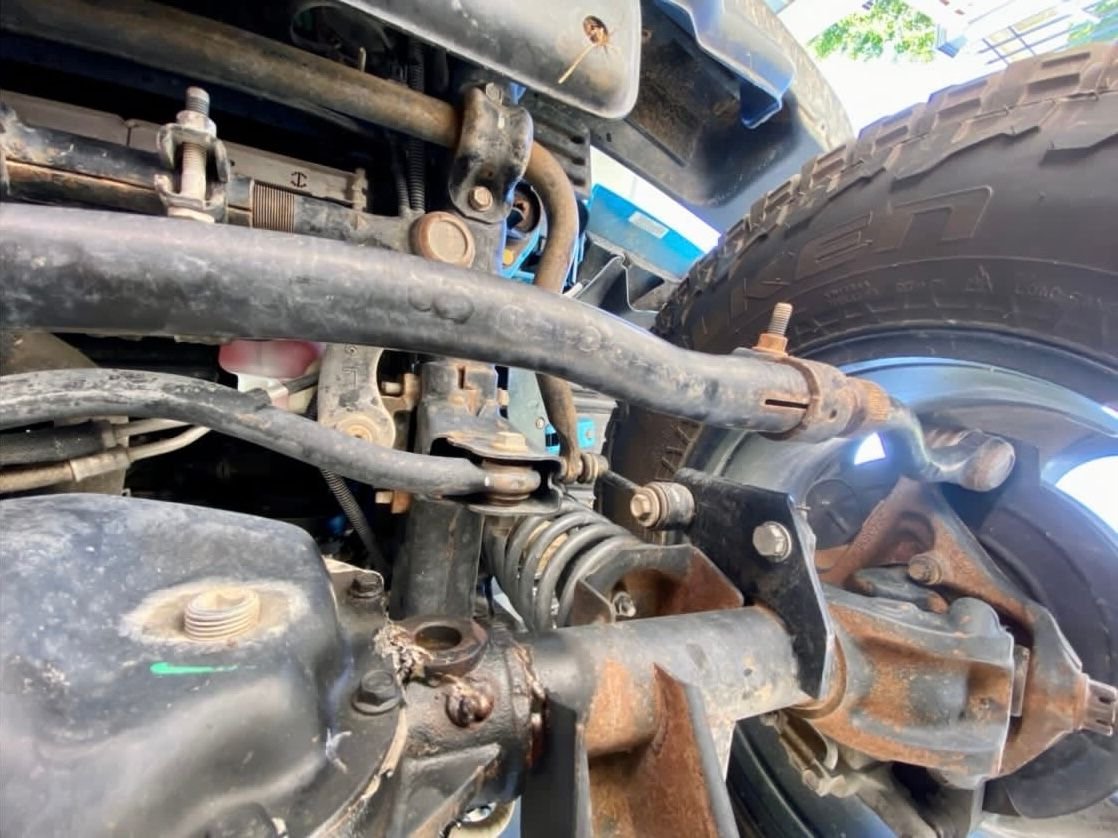
- ✦ Incorrect wheel alignment
Wrong toe settings or uneven caster angles can cause the Wrangler to drift or feel unstable.
- ✦ Uneven tire wear
Different tread patterns, pressure levels, or tire damage can create side-to-side pulling.
- ✦ Brake problems
A sticking brake caliper can create a pulling sensation when driving or braking.
- ✦ Suspension wear
Loose bushings, ball joints, or track bar parts can allow unwanted wheel movement.
How Tire Problems Affect Steering Feel
Tires are the only parts connecting your Jeep to the road. Even small differences in pressure or wear can change steering behavior.
Before checking expensive components, measure tire pressure and inspect all four tires for uneven wear patterns.
- ✦ Check tire pressure
Keep tire pressure within the recommended range for your tire size and driving conditions.
Diagnosing Jeep Wrangler Steering Wander Step by Step
The Complete Guide to Jeep Wrangler Steering Pull Wander and Road Tracking recommends starting with simple checks before replacing components. A careful inspection can save time and money.
A professional technician usually checks steering movement, suspension joints, alignment angles, and tire condition together. Looking at only one area can hide the real problem.

- ✦ Inspect steering play
Check if the steering wheel moves excessively before the tires respond.
- ✦ Check front suspension
Look for movement in ball joints, tie rods, and track bar connections.
- ✦ Test alignment
Measure caster, camber, and toe settings using proper equipment.
The Importance of the Front Track Bar
The track bar keeps the solid front axle centered under the Jeep. If the track bar or its mounts become loose, the axle can shift and create wandering symptoms.
Many Wrangler steering complaints improve after fixing worn track bar bushings or loose mounting hardware.
How Alignment Affects Jeep Wrangler Road Tracking
Wheel alignment plays a major role in how your Wrangler behaves on highways and city roads. Even when tires look normal, incorrect alignment can create steering effort and poor stability.
For lifted Jeeps, factory alignment settings may not provide the best driving feel. Suspension changes often require additional adjustments to restore proper handling.

- ✦ Caster angle
Proper caster helps the steering wheel return to center and improves straight-line stability.
- ✦ Toe setting
Incorrect toe can cause tire wear and make the Jeep feel nervous.
Lift Kits and Steering Changes
A lifted Wrangler changes suspension geometry. If supporting parts are not upgraded, the Jeep may develop wandering or poor tracking.
Quality installation and correct geometry adjustments are important for maintaining safe road behavior.
Steering Components That Can Cause Jeep Wrangler Wandering
The Complete Guide to Jeep Wrangler Steering Pull Wander and Road Tracking includes several mechanical parts that should be checked during diagnosis. Worn steering components allow movement that the driver feels through the wheel.
Replacing parts without confirming failure can become expensive. Always test each component before installation.

- ✦ Tie rod ends
Loose tie rod ends can create delayed steering response and uneven handling.
- ✦ Ball joints
Worn ball joints allow wheel movement and can affect stability.
- ✦ Steering stabilizer
A steering stabilizer can reduce feedback but does not fix worn steering parts.
Signs Your Steering Parts Need Attention
Common signs include a loose steering feel, uneven tire wear, clicking sounds, and increased correction at highway speeds.
Ignoring these symptoms may increase tire wear and reduce driving confidence.
Practical Fixes to Improve Jeep Wrangler Steering Control
Fixing Wrangler steering problems starts with correcting the actual cause. Small repairs can create large improvements when the diagnosis is accurate.
Many owners improve handling by combining proper alignment, fresh steering components, correct tire setup, and regular inspections.
- ✦ Perform a complete alignment
Use a qualified shop that understands Jeep suspension systems.
- ✦ Replace worn components
Install quality replacement parts when steering joints or bushings fail.
- ✦ Inspect after modifications
Recheck steering behavior after installing lifts, larger tires, or aftermarket parts.
Maintenance Habits That Prevent Future Problems
Regular tire rotation, pressure checks, and suspension inspections help maintain consistent handling.
A quick inspection before long road trips can identify loose parts before they become major safety concerns.
Frequently Asked Questions about Complete Guide to Jeep Wrangler Steering Pull Wander and Road Tracking

Jeepexplorerr
Contributor