The Complete Guide to Jeep Wrangler Interior Drainage and Moisture Control starts with one simple idea: water management matters. Wrangler owners in the USA often enjoy open-air driving, beach trips, muddy trails, and outdoor adventures. These activities expose the cabin to more water than a normal vehicle.
From my experience studying off-road vehicle maintenance, most moisture problems come from small issues that owners ignore. A blocked drain plug, damaged door seal, or wet carpet can slowly create odors, rust, and electrical concerns.
The Complete Guide to Jeep Wrangler Interior Drainage and Moisture Control explains how factory drainage systems work and how owners can protect their Jeep after every adventure.

How Jeep Wrangler Interior Drainage Systems Work
The Complete Guide to Jeep Wrangler Interior Drainage and Moisture Control begins with understanding the factory design. Jeep builds Wrangler models with removable floor drain plugs that allow water to leave the cabin after exposure.
Unlike many traditional vehicles, Wrangler owners can clean the interior more easily because the cabin is designed for outdoor use. However, drain plugs do not make the interior fully waterproof. They only help remove water that enters the cabin.
Water can enter from open tops, doors, windows, washing, and heavy rain. A healthy drainage system moves that water away before it causes problems.
- ✦ Floor Drain Plugs
Rubber drain plugs sit in the floor and allow trapped water to exit when removed.
- ✦ Water Channels
Body panels and floor shapes guide water toward drainage points.
- ✦ Cabin Seals
Doors, tops, and windows help reduce unwanted water entry.
Why Drainage Matters for Wrangler Owners
Moisture left inside a Jeep can damage carpets, create bad smells, and increase the chance of corrosion. Regular drainage checks are a simple way to protect your investment.
A dry cabin also improves comfort during daily driving, especially in areas with heavy rain, snow, or humid weather.
Understanding Jeep Wrangler Drain Plugs and Their Maintenance
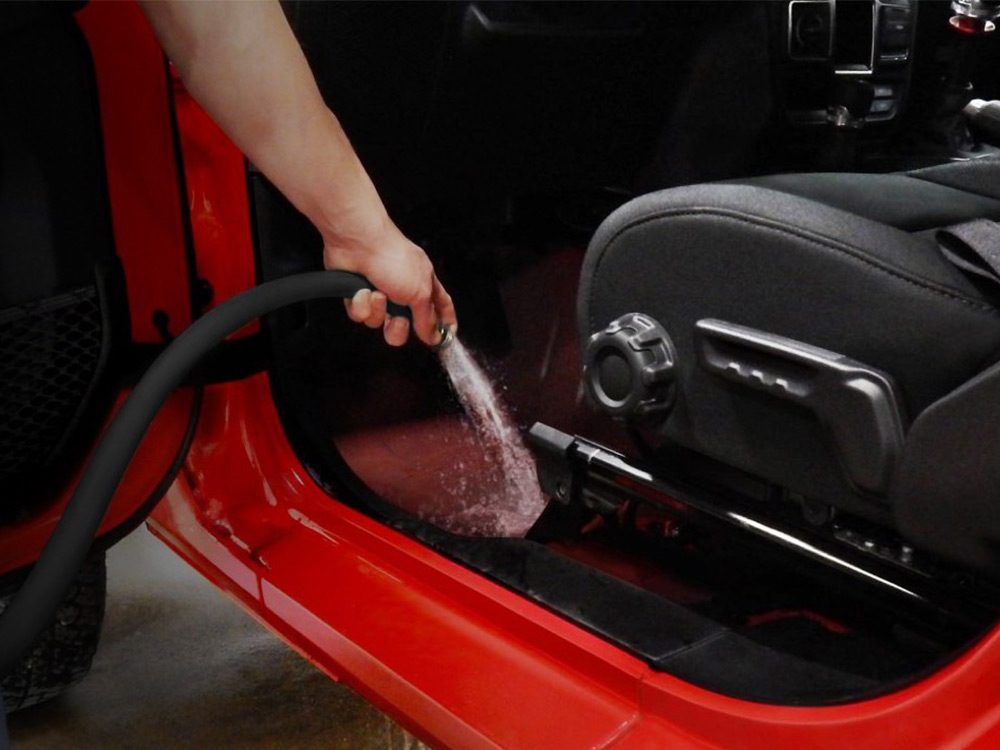
Drain plugs are one of the most important parts of the Complete Guide to Jeep Wrangler Interior Drainage and Moisture Control. They provide a quick way to remove water after washing or outdoor use.
Many Wrangler owners remove the plugs after muddy trips or deep water crossings. Before reinstalling them, inspect the rubber material and clean dirt from the opening.
A missing or damaged plug may allow road noise, dust, and unwanted moisture into the cabin.
- ✦ Inspect Regularly
Check drain plugs during routine cleaning and after off-road trips.
- ✦ Clean Before Installation
Remove mud and debris so plugs seal correctly.
- ✦ Replace Damaged Parts
Old or cracked plugs should be replaced to maintain proper sealing.
JL and JK Drain Plug Differences
Different Wrangler generations use different floor designs, but both JK and JL models use removable drainage solutions. Always check your exact model year before buying replacement parts.
Common Causes of Water Inside a Jeep Wrangler Cabin
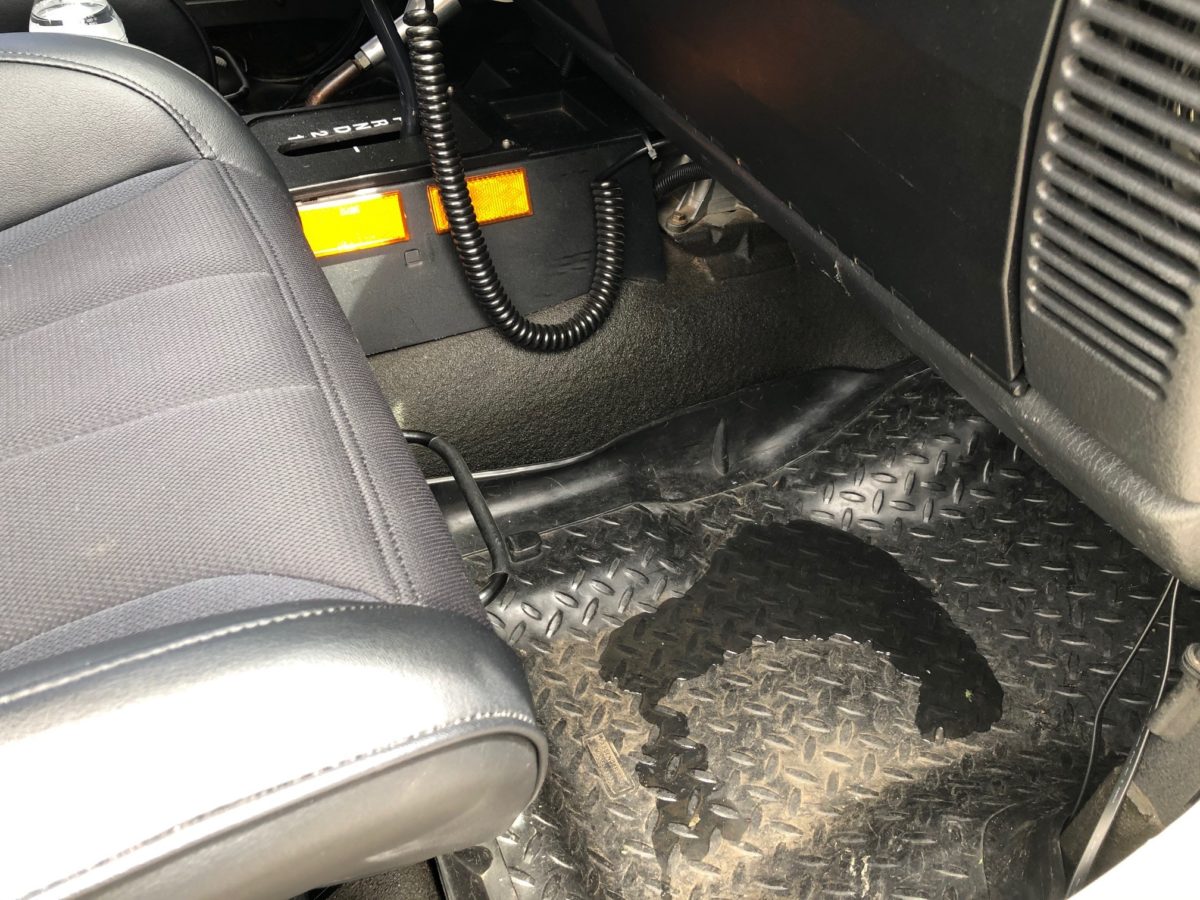
The Complete Guide to Jeep Wrangler Interior Drainage and Moisture Control also requires knowing where leaks begin. Water inside the cabin usually comes from entry points above the floor.
Owners often notice wet carpets after storms, car washes, or top removal. Finding the source quickly prevents larger problems.
A careful inspection around seals and drainage paths can save time and repair costs.
- ✦ Soft Top and Hard Top Seals
Worn seals can allow rainwater around doors and roof areas.
- ✦ Door Alignment Issues
Poor door adjustment may create gaps where water enters.
- ✦ Blocked Cowl Drains
Leaves and dirt can stop water from leaving the front drainage area.
How to Remove Water From Your Jeep Wrangler Interior
When water enters your Wrangler, quick action matters. The Complete Guide to Jeep Wrangler Interior Drainage and Moisture Control recommends removing standing water before it reaches upholstery or electronics.
Start by removing floor mats, opening doors, and allowing airflow through the cabin. If needed, remove drain plugs and let water escape naturally.
Avoid storing a wet Jeep with closed windows and damp carpets because moisture can remain hidden for days.

- ✦ Remove Floor Mats
Take out mats so trapped water can dry faster.
- ✦ Improve Airflow
Open doors and use fans to speed up drying.
- ✦ Check Hidden Areas
Inspect under carpets and seats for remaining moisture.
Preventing Mold, Odors, and Interior Damage
Moisture control is about prevention, not only drainage. The Complete Guide to Jeep Wrangler Interior Drainage and Moisture Control includes regular cleaning habits that keep the cabin healthy.
Wet fabric and carpet can hold moisture longer than expected. Drying the Jeep completely after exposure helps prevent unpleasant smells and material damage.
Many experienced Wrangler owners create a routine inspection after rainy seasons and off-road trips.

- ✦ Dry Immediately
Remove moisture as soon as possible after water exposure.
- ✦ Clean Interior Surfaces
Regular cleaning reduces dirt buildup that can hold moisture.
- ✦ Inspect Electronics
Check sensitive areas if water reaches the dashboard or wiring.
Best Practices for Long-Term Jeep Wrangler Moisture Control
The Complete Guide to Jeep Wrangler Interior Drainage and Moisture Control is not only about fixing water problems. It is also about creating habits that protect your Jeep over time.
Owners who use their Wrangler outdoors should inspect seals, drain areas, and interior surfaces several times each year. Small checks often prevent expensive repairs.
A clean and dry cabin helps maintain comfort and resale value.

- ✦ Seasonal Inspections
Check your Jeep before rainy or snowy seasons.
- ✦ Use Quality Floor Protection
Weather-resistant mats help protect the original interior.
- ✦ Monitor Leak Patterns
The location of water stains often reveals the entry point.
Frequently Asked Questions about Complete Guide to Jeep Wrangler Interior Drainage and Moisture Control

Jeepexplorerr
Contributor