The Complete Guide to Jeep Wrangler Brake Hydraulics and Brake Line Systems explains how fluid, pressure, and brake parts work together. A Wrangler may spend years on highways, trails, and rough roads, so its brake system must handle many conditions.
From my experience studying and working with vehicle systems, many brake issues start with small warning signs. A soft pedal, rusty line, or old hose can slowly reduce braking performance. Understanding the system helps owners make smarter repair choices.

How Jeep Wrangler Brake Hydraulics Work
The Complete Guide to Jeep Wrangler Brake Hydraulics and Brake Line Systems starts with the basic idea of hydraulic pressure. When you press the brake pedal, the master cylinder pushes brake fluid through lines and hoses.
That fluid pressure reaches the brake calipers or wheel cylinders. The pressure forces brake pads against rotors, creating friction that slows the Jeep.
- ✦ Brake pedal
The pedal gives the driver control and transfers force to the brake booster and master cylinder.
- ✦ Brake fluid
Brake fluid carries pressure through the system and must stay clean and moisture free.
- ✦ Brake calipers
Calipers apply pressure to brake pads that grip the rotors.
Why Hydraulic Pressure Matters
Hydraulic systems allow a small pedal force to create strong braking power. Any air, leak, or damaged component can reduce pressure and affect braking response.
Main Components of Jeep Wrangler Brake Line Systems
A Jeep Wrangler brake line system includes hard lines, flexible hoses, the master cylinder, ABS module, and connections near each wheel. Each part has a specific role.
Brake lines often face moisture, road salt, mud, and vibration. This is especially important for Wranglers used in northern states or off-road environments.
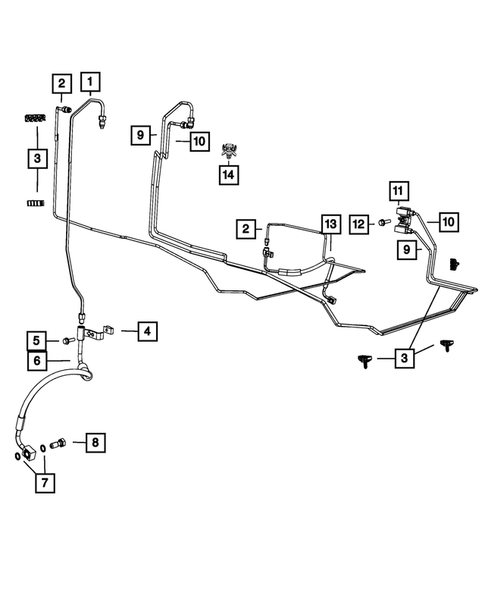
- ✦ Steel brake lines
Rigid lines carry fluid pressure across the vehicle and require protection from corrosion.
- ✦ Flexible brake hoses
Rubber or reinforced hoses allow suspension movement while maintaining fluid flow.
- ✦ ABS hydraulic unit
The ABS unit controls brake pressure during wheel slip situations.
Common Jeep Wrangler Brake Hydraulic Problems
Many Jeep owners notice brake problems through changes in pedal feel. A pedal that feels soft or sinks lower than normal may indicate air, fluid loss, or worn components.
The Complete Guide to Jeep Wrangler Brake Hydraulics and Brake Line Systems should always include inspection because early repairs can prevent expensive damage.

- ✦ Soft brake pedal
Often caused by air in the lines, old fluid, or hydraulic leaks.
- ✦ Brake fluid leaks
Leaks may appear around lines, fittings, hoses, or the master cylinder.
- ✦ Rusty brake lines
Corrosion can weaken metal lines and create dangerous pressure loss.
Brake Fluid Maintenance and Bleeding Procedures
Brake fluid absorbs moisture over time. Old fluid can reduce braking performance and increase corrosion inside hydraulic parts.
Bleeding the brakes removes trapped air and restores a firm pedal feel. Correct bleeding order depends on the Wrangler model and brake layout.
- ✦ Inspect fluid level
Check the reservoir regularly and look for sudden fluid loss.
- ✦ Use correct fluid type
Always follow the vehicle owner’s manual for the correct brake fluid specification.
Upgrading Jeep Wrangler Brake Lines for Off-Road Use
Many off-road owners upgrade brake components to improve durability. Stainless steel brake lines are popular because they resist corrosion and provide consistent performance.
A good upgrade should match the Jeep’s use. A daily driver, rock crawler, and lifted Wrangler may need different solutions.

- ✦ Stainless steel lines
They offer improved corrosion resistance compared with standard steel lines.
- ✦ Extended brake hoses
Lifted Wranglers may need longer hoses to handle increased suspension travel.
Frequently Asked Questions about Complete Guide to Jeep Wrangler Brake Hydraulics and Brake Line Systems

Jeepexplorerr
Contributor