The Complete Guide to Jeep Water Pump Operation Failure Symptoms and Replacement helps Jeep owners understand one of the most important parts of the cooling system. The water pump works every time the engine runs. It moves coolant through the engine block, radiator, and heater system to keep temperatures stable.
From my experience working with vehicle cooling issues, many Jeep overheating problems start with small warning signs. A slight coolant leak, unusual bearing noise, or temperature change can become a major repair if ignored. This guide explains how the system works, what failures look like, and how replacement is handled in real-world conditions.
Jeep models like the Wrangler, Cherokee, Grand Cherokee, Gladiator, and older TJ or XJ platforms all depend on reliable coolant flow. Whether you drive daily in the United States, tow equipment, or enjoy off-road trails, a healthy water pump protects your engine investment.
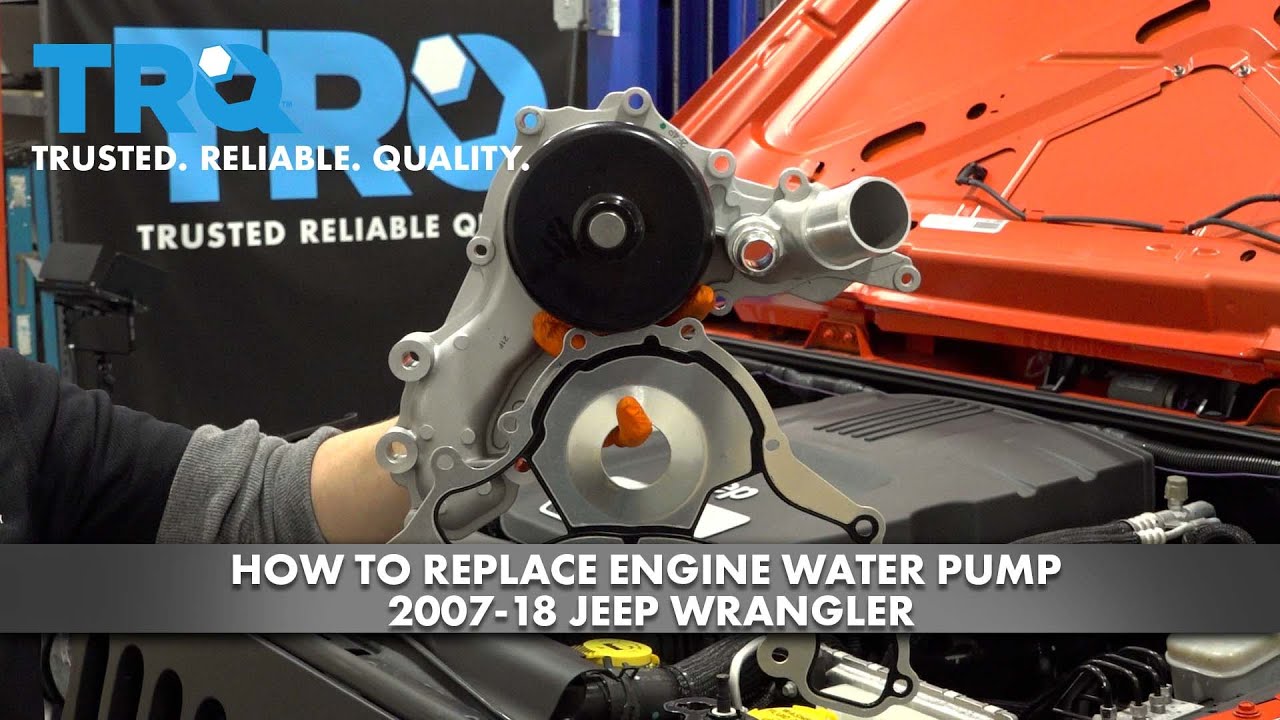
How a Jeep Water Pump Works in the Cooling System
The water pump is the heart of the Jeep cooling system. It pushes coolant through passages inside the engine and sends heated coolant toward the radiator. The radiator then removes heat before the cooled fluid returns to the engine.
Most Jeep water pumps use an impeller attached to a rotating shaft. When the engine runs, the pump spins and creates coolant movement. This steady circulation keeps engine temperatures within a safe range during normal driving and heavy use.
In my experience, many owners replace thermostats and radiators first when overheating happens. However, a weak water pump can create similar symptoms. A complete diagnosis should always include coolant flow checks.
- ✦ Coolant circulation
The pump moves coolant between the engine, radiator, and heater core.
- ✦ Temperature control
Proper coolant movement prevents hot spots and excessive engine heat.
- ✦ Engine protection
A working pump helps prevent overheating damage to major engine parts.
Main Components Inside a Jeep Water Pump
A Jeep water pump contains several parts that work together. The housing holds the assembly, while the impeller creates coolant flow. Bearings and seals allow smooth rotation without coolant leakage.
- ✦ Impeller
The spinning blade moves coolant through the cooling passages.
- ✦ Mechanical seal
The seal prevents coolant from leaking around the rotating shaft.
Common Jeep Water Pump Failure Symptoms
The Complete Guide to Jeep Water Pump Operation Failure Symptoms and Replacement shows that early warning signs are often easy to miss. A failing pump may continue working for a short time while losing efficiency.
The most common symptoms include overheating, coolant leaks, strange noises, and poor heater performance. These signs can also come from other cooling parts, so testing matters.
A Jeep used for towing, crawling, or extreme weather driving may show symptoms sooner because the cooling system works harder.

- ✦ Engine overheating
A damaged pump may not move enough coolant, causing the temperature gauge to rise.
- ✦ Coolant leaks
Failed seals can allow coolant to drip near the pump area.
- ✦ Grinding or whining noise
Worn bearings can create unusual sounds from the front of the engine.
- ✦ Weak cabin heat
Poor coolant circulation can reduce heater performance during cold weather.
Overheating as a Major Warning Sign
Overheating is one of the most serious Jeep water pump symptoms. When coolant stops moving correctly, engine heat builds quickly. Continued driving while overheating can damage head gaskets and other expensive components.
- ✦ Temperature spikes
The gauge may rise during idle, traffic, towing, or off-road use.
Diagnosing Jeep Water Pump Problems Before Replacement
Before installing a new pump, a proper diagnosis helps avoid unnecessary repairs. A cooling system problem may come from the thermostat, radiator, fan, hose, or coolant level.
A visual inspection is the first step. Look for coolant stains, damaged belts, loose pulley movement, or moisture around the water pump housing.
Professional technicians often perform pressure tests and inspect coolant circulation patterns. These checks help confirm whether the pump is the actual cause.

- ✦ Inspect for leaks
Check around the pump housing and drainage area for coolant traces.
- ✦ Check bearing movement
Excessive pulley movement may indicate worn internal bearings.
- ✦ Review overheating history
Past overheating events can provide clues about pump condition.
Signs That Look Like Water Pump Failure but Are Not
A bad thermostat can limit coolant movement and create overheating symptoms. A failed cooling fan can also cause high temperatures, especially during slow driving.
This is why replacing a water pump without testing can waste time and money.
- ✦ Thermostat problems
A stuck thermostat can block coolant flow.
- ✦ Radiator restrictions
Blocked radiator passages can reduce heat transfer.
Jeep Water Pump Replacement Process
The Complete Guide to Jeep Water Pump Operation Failure Symptoms and Replacement includes understanding the replacement process. The exact steps vary by Jeep model and engine type, but the overall method remains similar.
A replacement usually requires draining coolant, removing components blocking access, installing the new pump, and refilling the cooling system. Correct torque values and proper sealing are important for long-term reliability.
Many Jeep owners choose professional replacement because access can be difficult on certain engines. DIY replacement can work for experienced mechanics with the right tools.

- ✦ Drain coolant
Remove old coolant safely before removing the pump.
- ✦ Remove old pump
Disconnect related parts and remove mounting bolts carefully.
- ✦ Install new pump
Use correct seals, bolts, and tightening procedures.
- ✦ Bleed cooling system
Remove trapped air to restore proper coolant circulation.
Replacement Mistakes to Avoid
Using low-quality parts or skipping coolant system cleaning can shorten the life of a new pump. Small installation mistakes may lead to leaks or repeat overheating.
- ✦ Wrong gasket installation
Incorrect sealing can cause coolant leaks.
Choosing the Right Jeep Water Pump Replacement Part
Selecting the correct water pump matters for reliability. Jeep engines have different designs, and the pump must match the exact engine application.
A quality replacement pump should have strong seals, durable bearings, and correct fitment. Cheap parts may save money upfront but can create future cooling problems.
Always verify the engine size, model year, and cooling system requirements before ordering a replacement.

- ✦ OEM-style fit
A properly designed pump matches factory specifications.
- ✦ Quality materials
Strong components improve durability and performance.
Preventing Future Jeep Water Pump Problems
Regular cooling system care can extend water pump life. Many failures develop slowly because coolant becomes contaminated or maintenance gets delayed.
Jeep owners who drive in hot climates, heavy traffic, or off-road conditions should inspect cooling components more often. Prevention is usually cheaper than engine repair.
The Complete Guide to Jeep Water Pump Operation Failure Symptoms and Replacement emphasizes routine checks as a key ownership habit.
- ✦ Maintain coolant levels
Keep the cooling system filled with the correct coolant mixture.
- ✦ Replace old coolant
Fresh coolant helps protect seals and internal pump parts.
- ✦ Inspect belts
A damaged belt can stop the pump from operating correctly.
Frequently Asked Questions about Complete Guide to Jeep Water Pump Operation Failure Symptoms and Replacement

Jeepexplorerr
Contributor