The Complete Guide to Jeep U-Joints CV Joints Axle Shafts and Driveline Wear explains the parts that keep your Jeep moving on highways, trails, and daily drives. These components handle constant stress from engine torque, uneven terrain, and four-wheel-drive use.
After years of working around Jeep drivetrains, one lesson stands out: small noises often become large repairs when ignored. A worn U-joint or damaged CV joint can quickly affect driveshafts, axle parts, and other connected systems.
American Jeep owners often use their vehicles for commuting, towing, camping, and off-road trips. This guide focuses on practical checks and maintenance steps that help keep Jeep driveline systems reliable in real-world conditions.

Understanding Jeep U-Joints and Their Role in Power Transfer
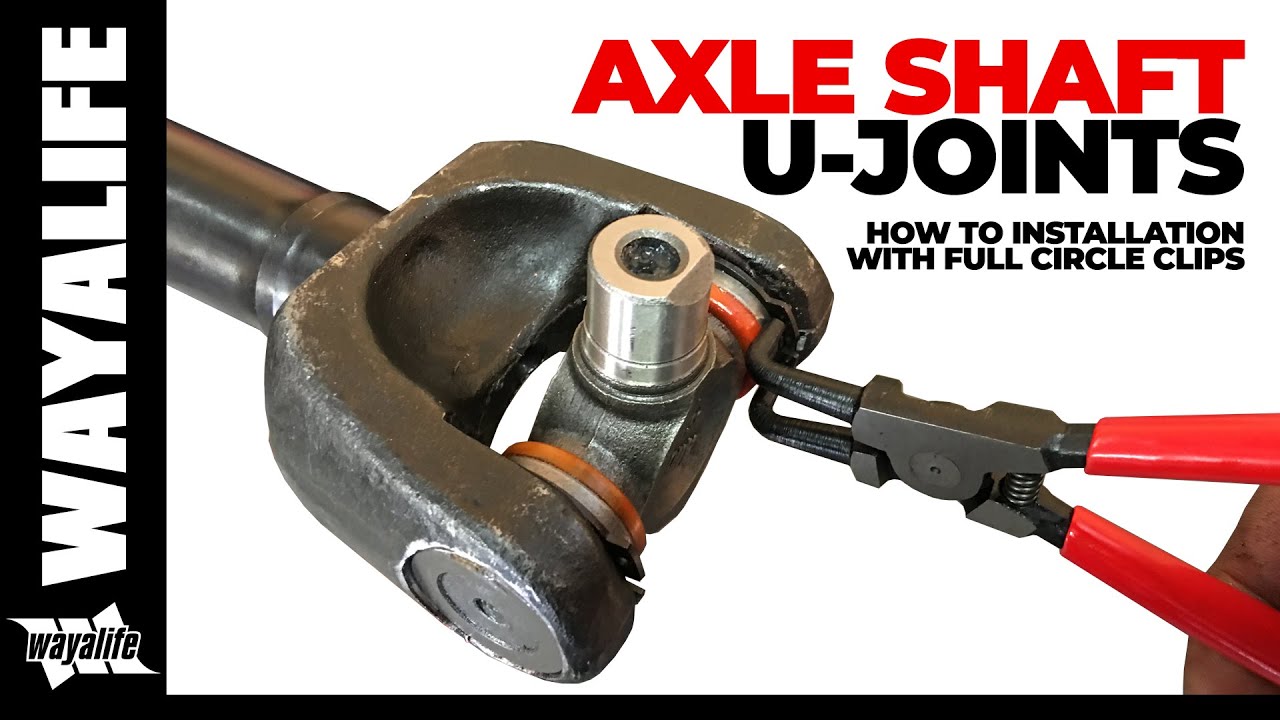
A U-joint, also called a universal joint, allows a driveshaft or axle shaft to transfer power while changing angles. Jeep vehicles use U-joints because suspension movement and axle travel create changing driveline angles.
In the Complete Guide to Jeep U-Joints CV Joints Axle Shafts and Driveline Wear, understanding U-joints is the first step toward diagnosing drivetrain problems. A worn joint can create vibration, clicking, or a heavy clunk when shifting between drive and reverse.
- ✦ Power connection
U-joints connect rotating parts and allow movement without stopping torque transfer.
- ✦ Common wear causes
Lack of grease, water exposure, heavy loads, and extreme angles can shorten U-joint life.
- ✦ Warning signs
Loose movement, rust dust, squeaking, and vibration may indicate a failing U-joint.
How Jeep U-Joints Wear Over Time
U-joints have bearing caps and needle bearings that reduce friction. When grease disappears or contamination enters, these small parts wear and create play.
Many Jeep owners notice problems after lifting a vehicle or using it heavily off-road. Increased driveline angles can place more pressure on joints.
- ✦ Off-road stress
Mud, rocks, and suspension movement increase stress on rotating driveline parts.
Jeep CV Joints Explained and Common Failure Symptoms
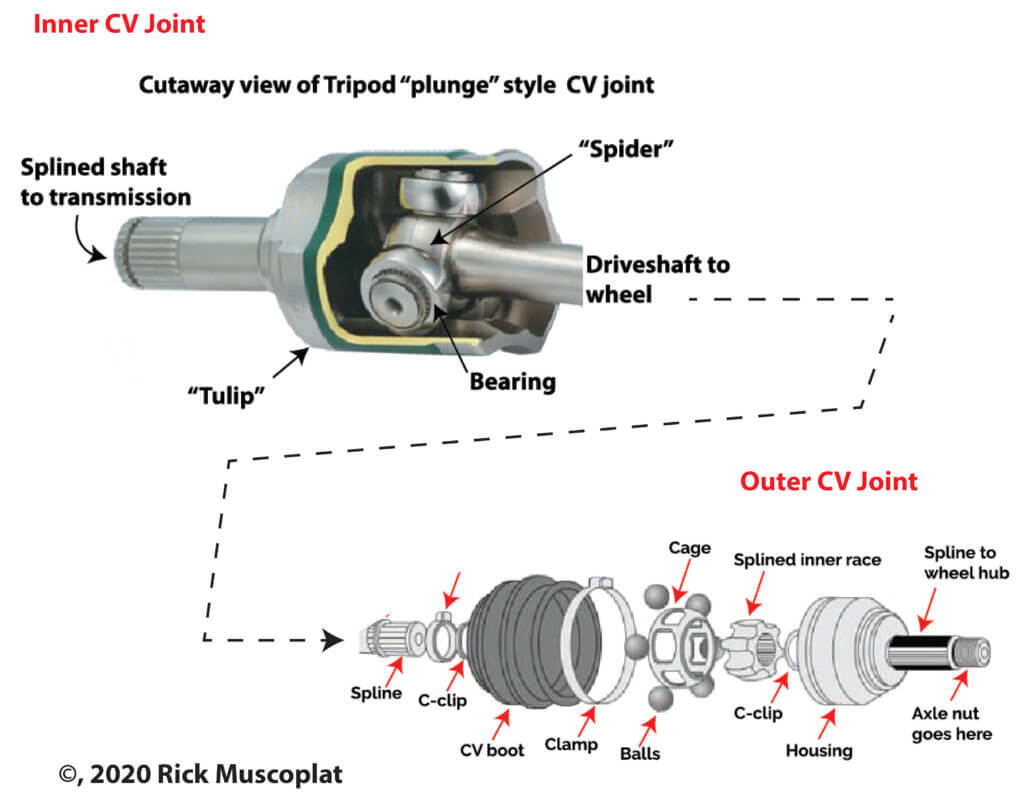
Constant velocity joints, known as CV joints, allow smooth power delivery while handling steering and suspension movement. They are common in front axle assemblies and some Jeep driveshaft designs.
A CV joint must maintain a steady speed while operating at different angles. When the protective boot tears, grease escapes and dirt enters the joint.
- ✦ Clicking during turns
A repeated clicking sound during sharp turns often points to outer CV joint wear.
- ✦ Grease leaks
Grease around a CV boot usually means the protective cover has failed.
CV Joint Boots and Protection
The rubber CV boot protects the joint from water and debris. A damaged boot can turn a simple repair into a complete axle replacement.
Regular visual checks are simple. Look for cracks, loose clamps, or grease sprayed around nearby suspension parts.
- ✦ Boot inspection
Check boots during oil changes or before long trips.
Jeep Axle Shafts and Their Importance in Driveline Strength
Axle shafts carry engine power from the differential to the wheels. In Jeep vehicles, axle shafts must handle extra loads from four-wheel drive, larger tires, and off-road use.
The Complete Guide to Jeep U-Joints CV Joints Axle Shafts and Driveline Wear shows why axle inspection matters. A damaged shaft can affect wheel movement and create safety concerns.

- ✦ Axle shaft stress
Large tires and aggressive driving increase torque loads on shafts.
- ✦ Possible failures
Bent shafts, worn splines, and damaged joints can reduce power delivery.
Front and Rear Axle Differences
Front axles often experience steering movement, making their joints work harder. Rear axles mainly focus on delivering driving force.
Both systems need inspection, especially after towing, trail use, or modifications.
- ✦ Maintenance focus
Inspect seals, shafts, and connected joints during drivetrain service.
Common Jeep Driveline Wear Symptoms and Diagnosis
Driveline wear usually gives warning signs before complete failure. Learning these signs helps Jeep owners fix smaller issues before they damage other parts.
Vibration, noise, and unusual movement should never be ignored. A careful inspection can often identify the source before major repairs are needed.

- ✦ Vibration
Speed-related vibration may come from worn joints, driveshaft problems, or balance issues.
- ✦ Clunking sounds
A clunk when accelerating or changing gears can indicate driveline play.
- ✦ Grinding or clicking
These sounds often point toward joint or axle problems.
Checking Driveline Problems at Home
A basic inspection includes checking for leaks, loose parts, damaged boots, and unusual movement. Always support the vehicle safely before working underneath it.
Professional diagnosis may be needed when symptoms involve internal differential or transmission components.
- ✦ Visual inspection
Look for rust, grease leaks, damaged seals, and physical damage.
Jeep U-Joint CV Joint and Axle Maintenance Practices
Preventive maintenance is one of the best ways to extend Jeep driveline life. Regular inspections can catch worn parts before they fail during a trip.
The Complete Guide to Jeep U-Joints CV Joints Axle Shafts and Driveline Wear recommends combining routine checks with proper driving habits.

- ✦ Grease service
Greaseable U-joints should receive proper lubrication according to manufacturer guidance.
- ✦ Inspect after off-road use
Clean mud and check components after demanding trail conditions.
- ✦ Use quality parts
Reliable replacement parts improve durability and reduce repeat repairs.
When Replacement Is Better Than Repair
Some driveline parts can be rebuilt, while others are more practical to replace. Severe wear, damaged surfaces, or repeated failures usually require new components.
Choosing the correct part for your Jeep model, axle type, and driving style is important.
- ✦ Replacement decision
Compare repair cost, vehicle use, and long-term reliability before choosing.
Frequently Asked Questions about Complete Guide to Jeep U-Joints CV Joints Axle Shafts and Driveline Wear

Jeepexplorerr
Contributor