The Complete Guide to Jeep Transmission Slipping Shifting Problems and Gear Selection starts with understanding how your Jeep transfers engine power to the wheels. A transmission must change gears smoothly while handling daily traffic, highway speeds, towing, and off-road conditions. When it slips or shifts poorly, the problem can range from a simple fluid issue to a serious mechanical failure.
From years of working with Jeep owners, one common lesson stands out: small transmission symptoms should not be ignored. A delayed shift, strange noise, or hesitation can become a major repair if the cause remains unchecked. This guide explains the signs, causes, diagnosis steps, and solutions in a simple way for U.S. drivers.

Understanding Jeep Transmission Slipping and Shifting Problems
The Complete Guide to Jeep Transmission Slipping Shifting Problems and Gear Selection begins with knowing what slipping means. A slipping transmission happens when the engine produces power, but the transmission cannot transfer that power correctly to the wheels. Drivers may notice rising engine speed without matching vehicle acceleration.
Jeep models use different transmission designs depending on the year and model. Wrangler, Grand Cherokee, Cherokee, Gladiator, and other Jeep vehicles may experience different symptoms. The basic warning signs are often similar, including hesitation, harsh shifts, and unexpected gear changes.
- ✦ Engine RPM increases without speed increase
The engine may rev higher while the Jeep struggles to accelerate because the transmission is losing power connection.
- ✦ Delayed gear engagement
A delay when moving from Park into Drive or Reverse can indicate hydraulic or mechanical transmission concerns.
- ✦ Hard or rough shifting
Sudden gear changes can result from fluid problems, worn components, or electronic control issues.
How a Jeep Transmission Transfers Power
A Jeep transmission uses gears, fluid pressure, clutches, and electronic controls to manage power delivery. Automatic transmissions rely on hydraulic pressure and computer commands to select the correct gear. Manual transmissions use a clutch and driver input to control gear changes.
When any part of this system fails, the Jeep may struggle to select or hold the correct gear. Understanding this process makes troubleshooting easier.
Common Causes of Jeep Transmission Slipping
The Complete Guide to Jeep Transmission Slipping Shifting Problems and Gear Selection must consider many possible causes. Transmission problems rarely come from one single issue. Proper diagnosis helps avoid replacing expensive parts that are still working correctly.
Many Jeep transmission complaints begin with basic maintenance problems. Low fluid, old fluid, leaks, and incorrect fluid types can affect transmission performance quickly.
- ✦ Low transmission fluid
Low fluid reduces hydraulic pressure and lubrication, which can cause slipping, overheating, and poor shifting.
- ✦ Worn clutch packs or bands
Internal wear can prevent the transmission from holding gears properly.
- ✦ Faulty sensors
Speed sensors and position sensors help the computer choose gears. Incorrect signals can create shifting problems.
Transmission Fluid Problems
Transmission fluid does more than lubricate parts. It also creates pressure needed for gear changes. Dirty or incorrect fluid can affect shift timing and cause internal wear.
Jeep owners should always use the fluid type recommended for their specific transmission. Using the wrong fluid can create performance issues.
Signs Your Jeep Transmission Needs Attention
Recognizing symptoms early is one of the most important parts of the Complete Guide to Jeep Transmission Slipping Shifting Problems and Gear Selection. A transmission often gives warning signs before complete failure occurs.
Drivers in the United States often use Jeeps for commuting, towing, camping, and off-road trips. These different uses place extra demands on the transmission system.
- ✦ Burning smell
A burnt odor may indicate overheating fluid or excessive internal friction.
- ✦ Transmission warning light
Modern Jeeps can detect transmission faults and store diagnostic trouble codes.
- ✦ Shaking during shifts
Vibration or shuddering may point to torque converter or internal transmission concerns.
Checking for Early Warning Signs
Pay attention to changes in driving feel. A Jeep that suddenly shifts differently deserves inspection before the problem becomes worse.
Keeping notes about when symptoms happen can help technicians find the cause faster.
Jeep Gear Selection Problems and Shift Control Issues
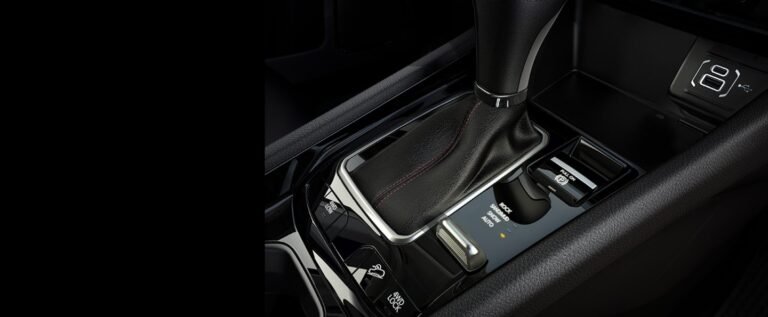
Gear selection problems can make a Jeep difficult to drive. The Complete Guide to Jeep Transmission Slipping Shifting Problems and Gear Selection includes understanding why a vehicle may fail to select Park, Drive, Reverse, or the correct driving range.
Some problems come from mechanical linkage issues, while others come from electronic controls. Modern Jeep transmissions depend heavily on computers and sensors.

- ✦ Shift linkage problems
Loose or damaged linkage can prevent the transmission from matching the selected gear.
- ✦ Electronic control faults
Transmission modules and sensors help control shift timing and gear choice.
Manual and Automatic Jeep Differences
Manual Jeep transmissions depend on clutch condition and driver technique. A worn clutch may feel similar to an automatic transmission slip.
Automatic transmissions use fluid pressure and computer controls, creating different symptoms and repair methods.
How to Diagnose Jeep Transmission Problems
A proper diagnosis prevents unnecessary repairs. The Complete Guide to Jeep Transmission Slipping Shifting Problems and Gear Selection recommends checking simple causes before assuming major internal damage.
A professional inspection usually combines visual checks, computer scans, road tests, and fluid inspections.

- ✦ Inspect transmission fluid
Check fluid level, color, smell, and condition according to the vehicle service instructions.
- ✦ Scan trouble codes
Diagnostic tools can reveal sensor and control system problems.
- ✦ Perform a road test
Driving conditions help identify when and how the transmission problem occurs.
When Professional Repair Is Needed
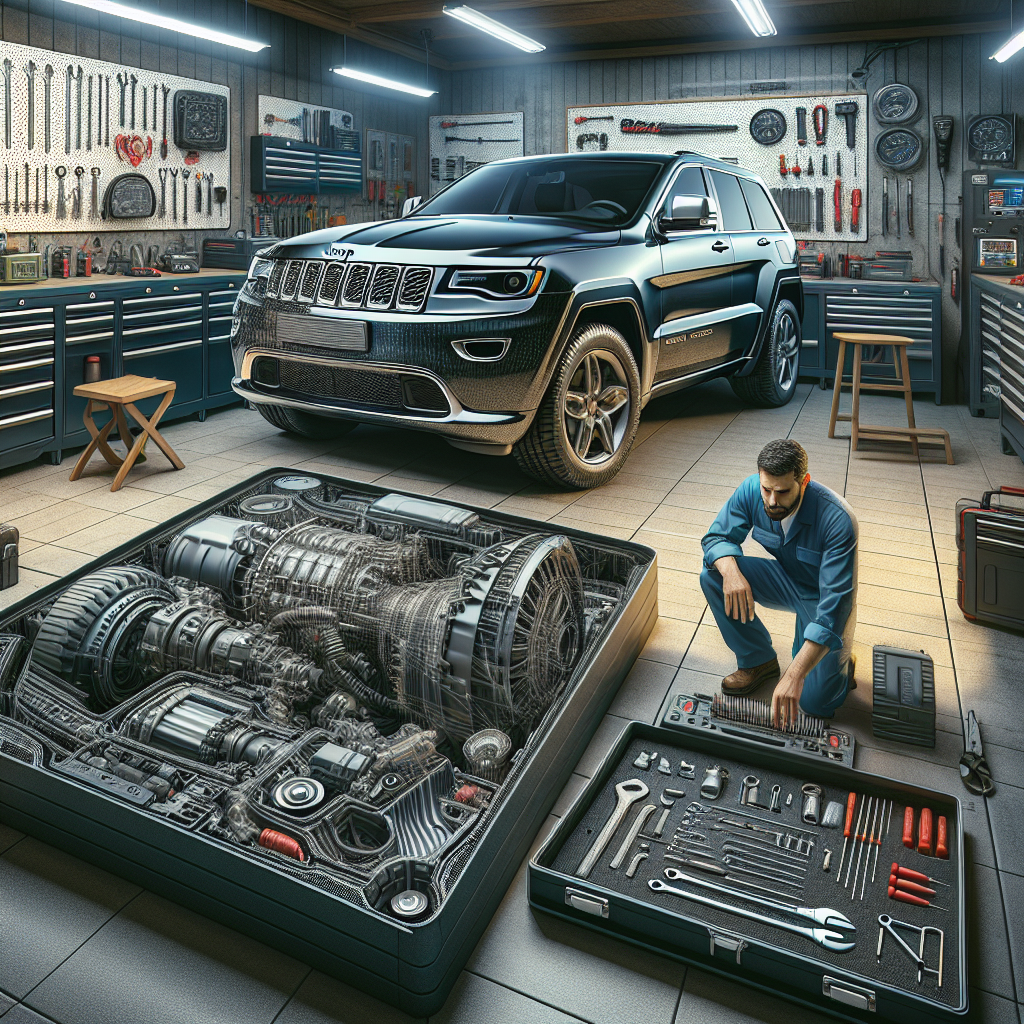
Some transmission repairs require specialized tools and experience. Internal repairs such as clutch replacement or rebuilding should be handled by trained technicians.
Early professional help can prevent a small issue from damaging additional transmission components.
Preventing Jeep Transmission Slipping and Shifting Failures
The best repair strategy is prevention. The Complete Guide to Jeep Transmission Slipping Shifting Problems and Gear Selection shows that routine care can extend transmission life and improve reliability.
Jeep owners who tow, drive off-road, or face extreme weather should follow maintenance schedules carefully because these conditions create additional heat and stress.

- ✦ Maintain proper fluid service
Regular fluid checks help protect internal transmission parts.
- ✦ Avoid overheating
Extra cooling may help Jeeps used for towing or demanding off-road conditions.
- ✦ Address symptoms early
Quick action can reduce repair costs and prevent breakdowns.
Driving Habits That Protect Your Transmission
Smooth acceleration and proper gear use reduce unnecessary transmission stress. Avoid forcing gear changes or ignoring warning signs.
Good driving habits combined with maintenance create a stronger transmission system.