The Complete Guide to Jeep Trail inspection Before and After Off-Road Driving starts with a simple habit: check your vehicle before you leave and after you return. A Jeep can handle tough terrain, but even strong 4×4 systems need care. Small issues like low tire pressure, loose bolts, or damaged hoses can become serious problems far from home.
From years of trail use, I have learned that a five-minute inspection can save hours of repairs. Whether you drive a Jeep Wrangler through desert trails in Arizona, muddy paths in the Southeast, or rocky mountain routes in Colorado, a careful inspection keeps your adventure safer and more enjoyable.

Why Jeep Trail Inspection Matters Before Every Off-Road Trip
The Complete Guide to Jeep Trail Inspection Before and After Off-Road Driving begins with understanding why inspections matter. Off-road trails place stress on parts that rarely experience pressure during normal road driving. Suspension parts, tires, steering components, and drivetrain systems all work harder.
A quick inspection does not require a full mechanic setup. Most checks can happen in your driveway or trail staging area. The goal is to find warning signs before they leave you stuck.

- ✦ Prevent trail breakdowns
Finding worn parts early reduces the chance of failures in remote areas.
- ✦ Improve safety
A properly checked Jeep gives drivers better control on changing terrain.
- ✦ Protect expensive parts
Regular inspections help prevent costly damage to drivetrain and suspension systems.
Common Problems Found During Pre-Trail Checks
Many trail problems start as small signs. A slow tire leak, loose skid plate, or cracked belt may not seem serious at home, but rough terrain can make it worse.
Experienced Jeep owners learn to look for changes. New noises, fluid spots, vibration, and steering changes should always receive attention before a trail trip.
- ✦ Fluid leaks
Check under the Jeep for oil, coolant, transmission fluid, or differential leaks.
- ✦ Loose hardware
Inspect visible bolts, suspension mounts, and recovery points for movement.
Complete Pre-Trail Jeep Inspection Checklist
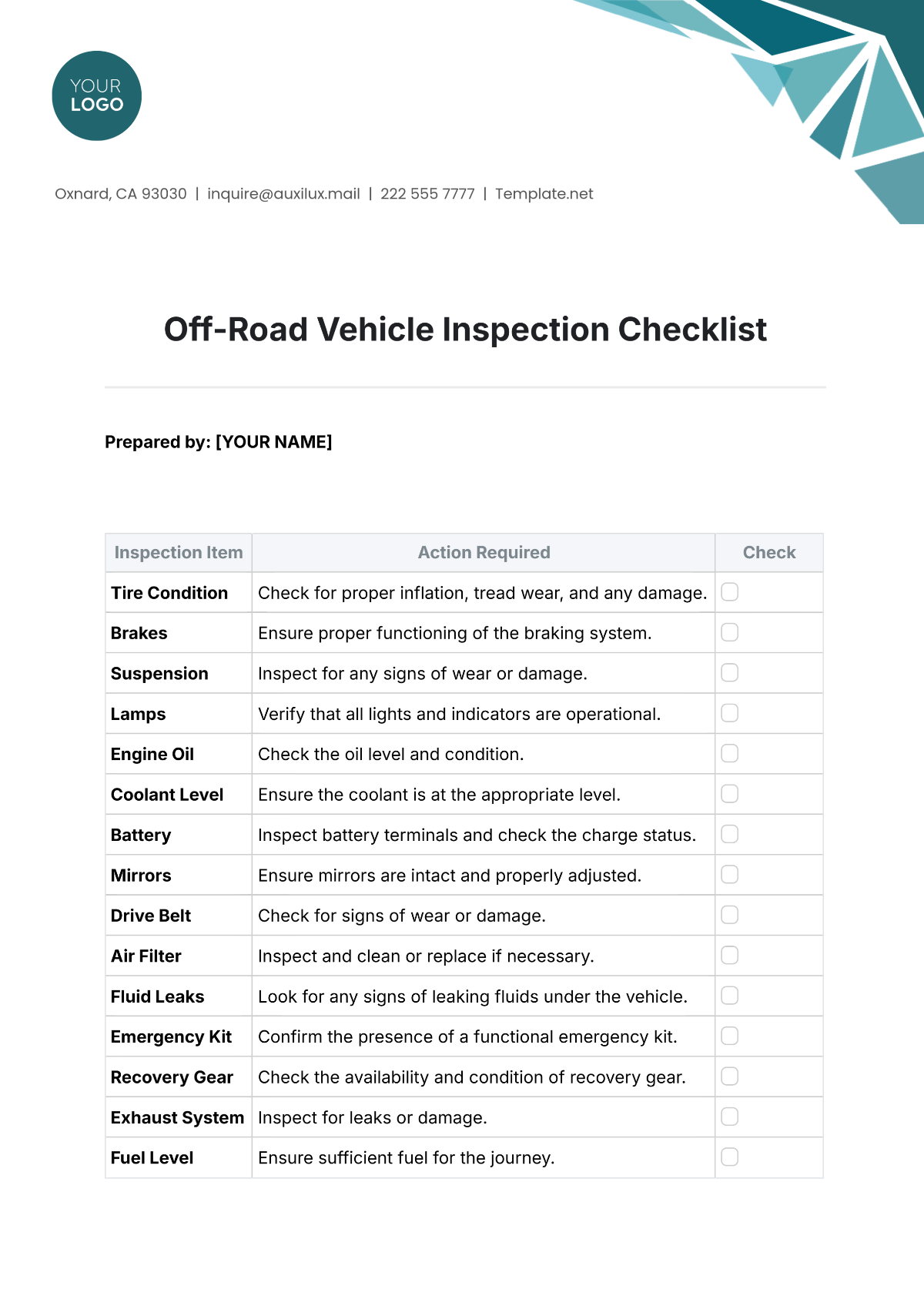
A complete pre-trip check is the foundation of the Complete Guide to Jeep Trail Inspection Before and After Off-Road Driving. Start with simple items and move toward mechanical systems. A consistent routine helps you avoid missing important details.
Many Jeep owners keep a printed checklist in their vehicle. This makes preparation easier before weekend trips, camping trips, and longer overland adventures.
 Jeep Checklist.png "Essential Jeep checklist for off road preparation")
- ✦ Inspect tires and wheels
Check tire pressure, tread condition, sidewalls, lug nuts, and spare tire condition.
- ✦ Check engine fluids
Confirm oil, coolant, brake fluid, power steering fluid, and washer fluid levels.
- ✦ Test lights and electronics
Make sure headlights, brake lights, signals, and communication equipment work correctly.
Tire and Suspension Inspection
Your tires are your connection to the trail. Look for cuts, uneven wear, cracks, or objects stuck in the rubber. Proper tire pressure also changes how your Jeep handles different surfaces.
Inspect shocks, control arms, sway bar links, and steering parts. Loose suspension parts can affect control and increase damage on rough trails.
- ✦ Tire pressure
Adjust pressure based on terrain, tire type, and manufacturer recommendations.
- ✦ Suspension movement
Look for leaks, broken parts, or unusual movement before entering difficult trails.
Checking Jeep Recovery Gear and Trail Equipment
The Complete Guide to Jeep Trail Inspection Before and After Off-Road Driving includes checking the equipment that helps you recover from problems. Even skilled drivers can get stuck because terrain conditions change quickly.
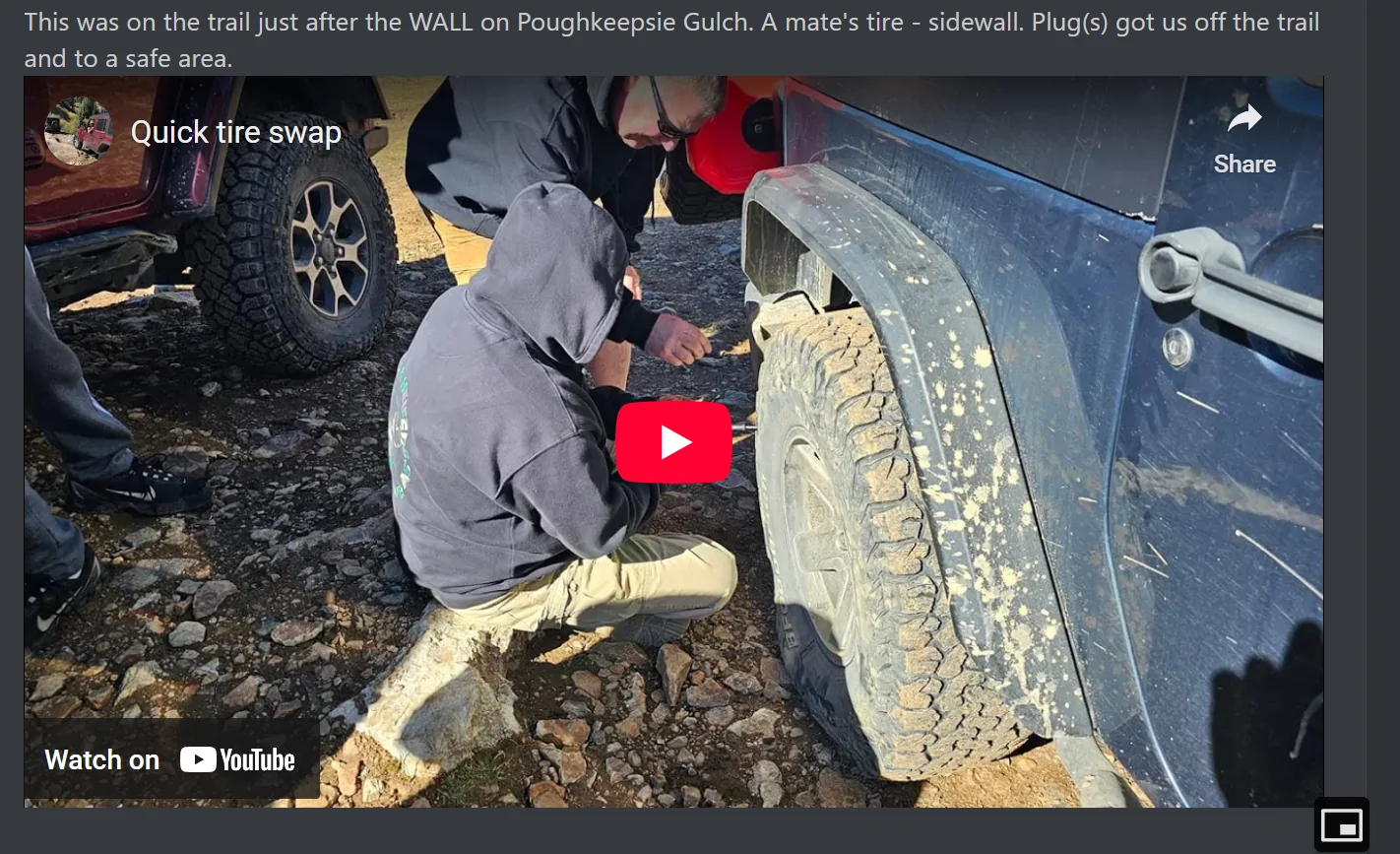
Recovery tools should be inspected just like mechanical parts. Damaged straps, weak batteries, or missing tools can create problems when you need them most.
- ✦ Recovery straps
Check straps, shackles, and recovery points for damage before use.
- ✦ Communication tools
Test radios, GPS devices, and emergency communication equipment.
- ✦ Basic repair tools
Carry tools for tire repairs, tightening bolts, and handling small trail issues.
Trail Gear Organization
A good gear layout saves time during stressful situations. Store recovery equipment where you can reach it without unloading the entire Jeep.
Many experienced drivers organize tools by purpose. Recovery gear, first aid supplies, and repair tools should have clear locations.
- ✦ Easy access
Place emergency items where they can be reached quickly.
How to Inspect Your Jeep During and After Trail Driving
The Complete Guide to Jeep Trail Inspection Before and After Off-Road Driving does not stop when the trail begins. During breaks, take a moment to look for problems caused by obstacles, impacts, or changing terrain.
After the trip, inspect your Jeep before parking it for several days. Mud, water, and dirt can hide damage and create corrosion if ignored.

- ✦ Look under the Jeep
Check for leaks, damaged skid plates, hanging wires, and loose parts.
- ✦ Clean critical areas
Remove mud and debris from brakes, wheels, and suspension components.
- ✦ Listen for changes
New sounds after a trail run may indicate damage that needs attention.
Post Trail Maintenance Steps
A post-drive inspection protects your Jeep after hard use. Wash away dirt, check fluids again, and inspect areas that took impacts.
I have found that many small issues become expensive only because they were ignored after a trip. A few minutes of checking can prevent future problems.
- ✦ Wash the undercarriage
Remove mud, salt, and debris that can damage metal parts.
- ✦ Check fasteners
Confirm bolts and mounts remain tight after vibration and impacts.
Seasonal Jeep Trail Inspection Tips for Different Conditions
Different environments create different inspection needs. The Complete Guide to Jeep Trail Inspection Before and After Off-Road Driving changes depending on weather, terrain, and trail difficulty.
Snow, sand, mud, and rocky trails all place unique stress on your Jeep. Preparing for local conditions improves safety and reduces damage.
- ✦ Mud trails
Check air intake areas, cooling systems, and brakes after muddy conditions.
- ✦ Rock trails
Inspect skid plates, differential covers, and suspension parts after impacts.
- ✦ Water crossings
Check fluids and electrical areas after deep water exposure.
Adapting Your Inspection Routine
A short local trail may need a simple check, while a remote adventure requires a deeper inspection. Match your preparation to the risk level.
Smart Jeep owners build inspection habits that fit their driving style and terrain.
- ✦ Know your route
Research terrain and weather before choosing your inspection checklist.
Frequently Asked Questions about Complete Guide to Jeep Trail Inspection Before and After Off-Road Driving

Jeepexplorerr
Contributor