The Complete Guide to Jeep Tire Sidewall Damage Punctures and Structural Inspection helps Jeep owners understand one of the most important tire safety topics. A Jeep often faces rocks, sharp trails, curbs, and heavy loads that can stress tire sidewalls.
From years of reviewing off-road tire problems, I have learned that visible damage does not always show the full story. A small cut can sometimes hide deeper damage inside the tire structure, so a proper inspection matters before making a repair decision.

Understanding Jeep Tire Sidewall Damage and Why It Matters
The tire sidewall is the flexible outer area between the tread and wheel rim. It protects internal tire cords and helps the tire handle weight, steering forces, and road impacts.
A Jeep tire works hard because many owners use their vehicles for towing, camping, trails, and daily driving. Damage in this area can reduce strength and create safety risks at highway speeds.

- ✦ Sidewall cuts
Sharp rocks, metal objects, and trail debris can slice the rubber and expose internal layers.
- ✦ Sidewall bulges
A bubble often means internal cords are damaged and the tire may fail suddenly.
- ✦ Impact damage
Hard hits from potholes or rocks can damage the tire structure without obvious outside signs.
Why Jeep Tires Face Extra Sidewall Stress
Jeep drivers often lower tire pressure during off-road use to improve traction. This helps performance but can increase sidewall flex.
Repeated flexing, sharp obstacles, and heavy vehicle loads can create stress that slowly weakens tire materials.
- ✦ Off-road pressure changes
Frequent inflation and deflation cycles can expose tires to extra movement.
How to Identify Jeep Tire Sidewall Punctures and Damage Signs
A careful visual inspection is the first step in the Complete Guide to Jeep Tire Sidewall Damage Punctures and Structural Inspection. Check every tire after off-road trips or strong impacts.
Look for changes in shape, texture, and air pressure. A tire can appear usable while hiding internal damage.

- ✦ Visible holes
Any puncture on the sidewall area needs professional inspection because common plugs may not be safe.
- ✦ Cracks and weathering
Small cracks may appear from age, sunlight, or chemical exposure.
- ✦ Air loss
Slow pressure loss can indicate a puncture or damaged valve area.
Checking Damage After an Off-Road Trip
Clean mud from the tire before inspection because dirt can hide cuts and scratches.
Use a flashlight and inspect both the outside and inside surfaces when possible.
- ✦ Inspect all tires
A damaged tire may not be the same tire that first lost pressure.
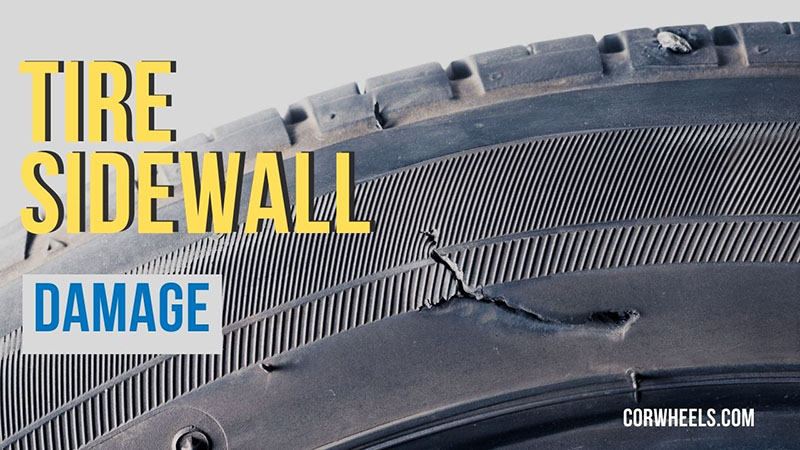
Can Jeep Tire Sidewall Punctures Be Repaired Safely?
The answer depends on the location, size, and depth of the damage. Tread punctures are often easier to repair, but sidewall punctures are usually more serious.
The Complete Guide to Jeep Tire Sidewall Damage Punctures and Structural Inspection shows why repair decisions should focus on tire strength, not only appearance.
- ✦ Repair limits
Many tire professionals avoid repairing sidewall damage because the sidewall carries major structural loads.
- ✦ Temporary solutions
Emergency plugs may help during a roadside situation but should not replace proper evaluation.
When Replacement Is Usually Needed
Replacement is often recommended when damage reaches internal cords, creates a bulge, or causes repeated air loss.
A new tire is usually safer than risking failure from hidden structural damage.
- ✦ Safety priority
A tire failure can cause loss of control, especially at highway speeds.
Performing a Complete Jeep Tire Structural Inspection
A structural inspection looks beyond surface damage. It checks whether the tire can still handle pressure, weight, and movement safely.
Professional inspection may include removing the tire from the wheel to check internal damage that cannot be seen from outside.

- ✦ Check tread condition
Uneven wear can show alignment issues or suspension problems.
- ✦ Check sidewall shape
A smooth sidewall should not have bubbles, waves, or unusual deformation.
- ✦ Check tire age
Older tires may lose strength even when tread depth looks acceptable.
Professional Inspection Benefits
A trained technician can identify problems that an owner may miss during a quick driveway check.
This step is especially useful after hard trail impacts or major puncture events.
- ✦ Internal damage detection
Technicians can find separated layers or damaged cords.
Preventing Jeep Tire Sidewall Damage During Daily Driving and Off-Road Use
Prevention is the easiest way to avoid unexpected tire replacement. Smart driving habits and regular checks protect your Jeep tires.
The Complete Guide to Jeep Tire Sidewall Damage Punctures and Structural Inspection recommends building tire checks into your normal vehicle routine.

- ✦ Maintain correct tire pressure
Proper pressure reduces unnecessary sidewall stress and improves handling.
- ✦ Avoid sharp obstacles
Slow down near rocks, broken pavement, and trail hazards.
- ✦ Rotate tires regularly
Even wear helps tires last longer and perform better.
Best Practices for Jeep Trail Drivers
Carry a tire repair kit, air compressor, and pressure gauge when traveling away from pavement.
After trail use, inspect tires before returning to normal highway speeds.
- ✦ Post-trip inspection
A five-minute check can reveal problems before they become dangerous.
Frequently Asked Questions about Complete Guide to Jeep Tire Sidewall Damage Punctures and Structural Inspection

Jeepexplorerr
Contributor