The Complete Guide to Jeep Tire Repair punctures Plugs Patches and Spare-Tire Use helps Jeep owners handle one of the most common trail and road problems. A sharp rock, nail, screw, or rough terrain can quickly damage a tire. Knowing the right repair method can save time and prevent a dangerous situation.
From my experience studying off-road maintenance practices, many Jeep drivers carry recovery gear but forget tire repair equipment. A reliable tire kit, air compressor, and properly maintained spare tire can make the difference between a short stop and a long roadside wait.
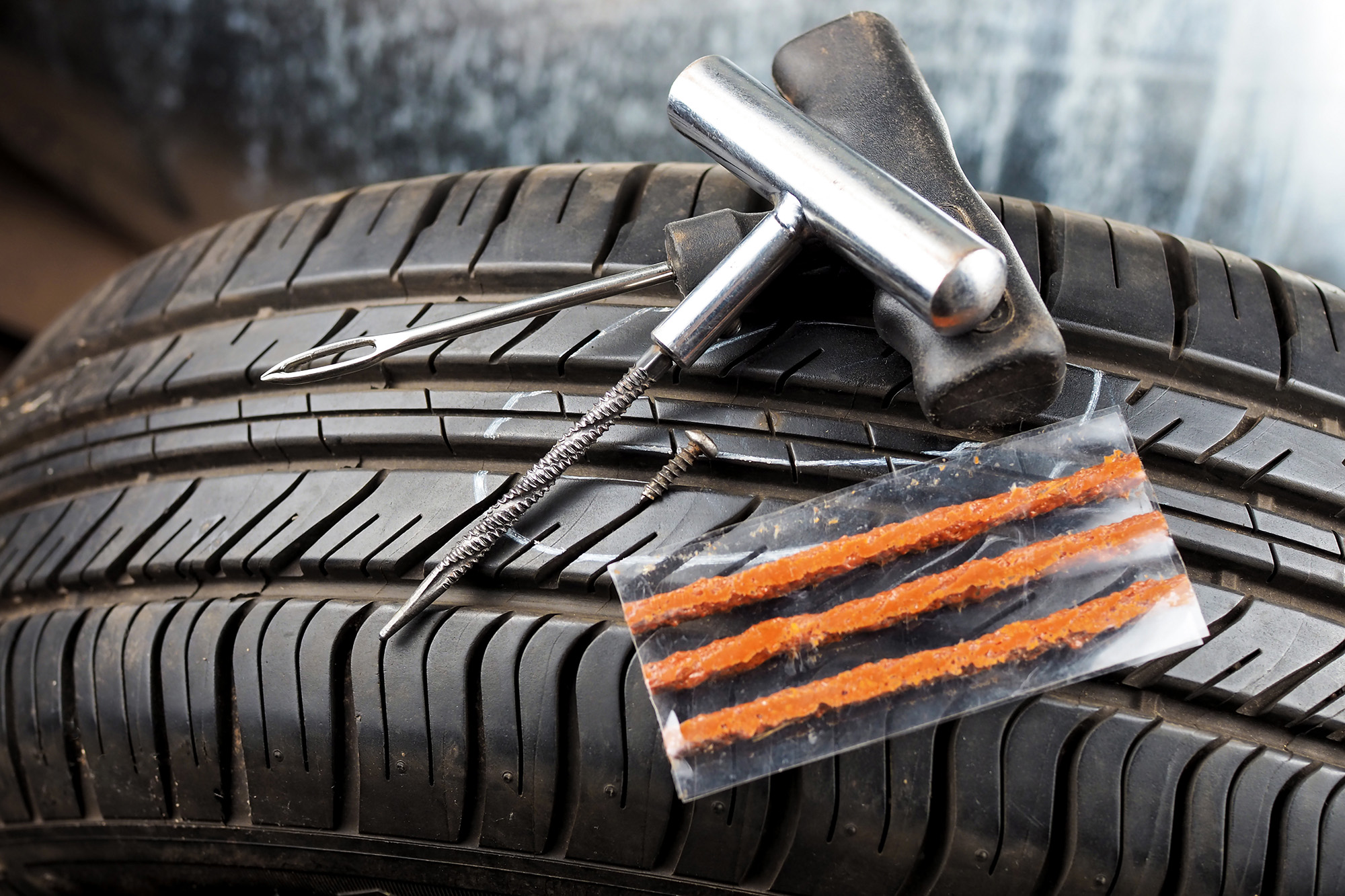
Understanding Jeep Tire Damage and Common Puncture Causes
The Complete Guide to Jeep Tire Repair Punctures Plugs Patches and Spare-Tire Use starts with understanding tire damage. Jeep vehicles often travel across highways, gravel roads, mud trails, and rocky paths. Each environment creates different risks for tire failure.
Small tread punctures are usually easier to repair than sidewall cuts or large tears. Before choosing a repair method, inspect the entire tire and find the exact cause of air loss.
- ✦ Nails and screws
These objects often create small holes in the tread area and may allow a simple repair if the tire structure remains safe.
- ✦ Sharp rocks
Off-road rocks can create cuts, punctures, or impact damage that may require tire replacement.
- ✦ Low tire pressure damage
Driving with low pressure can damage internal tire layers even when the outside looks normal.
Why Jeep Tires Face Unique Repair Challenges
Jeep owners often use larger tires with aggressive tread patterns. These tires provide traction but also experience more stress during off-road driving.
A proper inspection matters because a tire that looks repairable may have hidden internal damage.
- ✦ Off-road impact
Rocks and uneven surfaces can create stronger forces than normal street driving.
Jeep Tire Plug Repairs: How They Work and When to Use Them
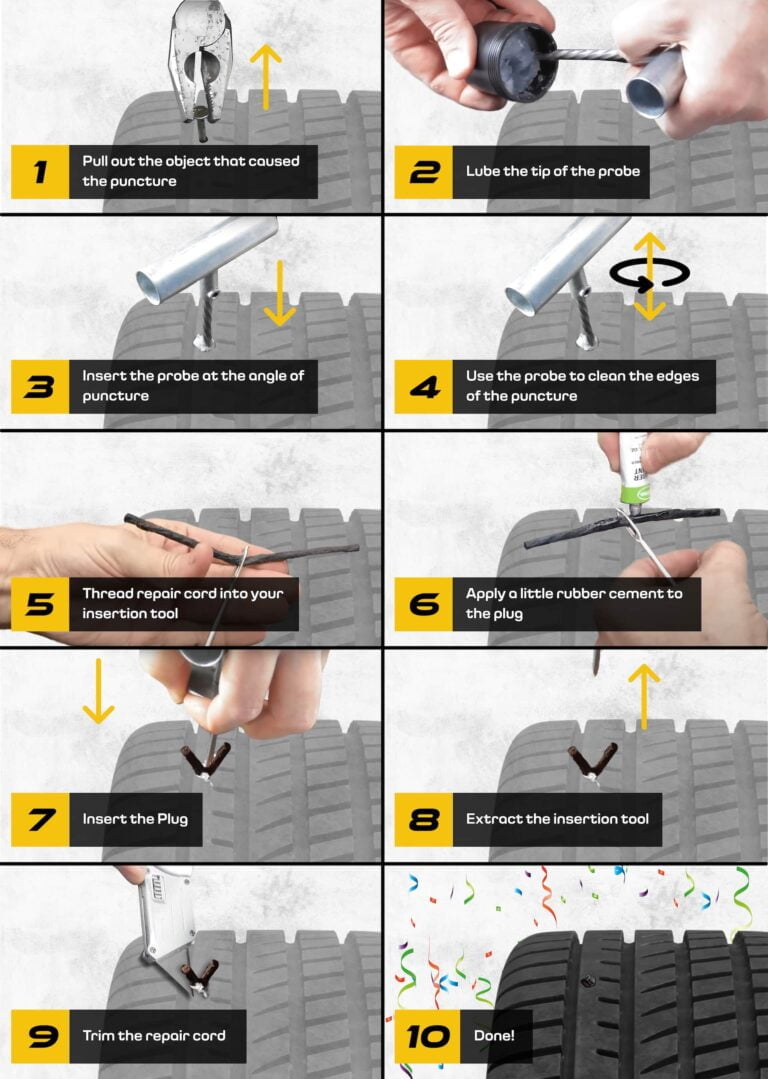
A tire plug is one of the most common emergency solutions in the Complete Guide to Jeep Tire Repair Punctures Plugs Patches and Spare-Tire Use. A plug fills the puncture channel and helps stop air leakage.
Many Jeep drivers carry plug kits because they are compact and useful during trail trips. However, plugs should only be used when the damage is in the repairable tread area.
- ✦ Best use case
Use plugs for small punctures located in the center tread area.
- ✦ Required tools
A basic kit usually includes a reamer tool, insertion tool, rubber plugs, and rubber cement.
- ✦ Safety limit
Avoid plugging sidewalls or large cuts because these areas carry major structural loads.
Basic Jeep Tire Plug Repair Steps
First, remove the object causing the leak and inspect the hole. Clean the puncture channel with the reaming tool before inserting the plug.
After installing the plug, inflate the tire and check for leaks with soapy water. A proper repair should hold air before continuing your trip.
- ✦ Carry an air compressor
A compressor allows you to restore correct tire pressure after repair.
Tire Patch Repairs and Why They Offer Strong Protection
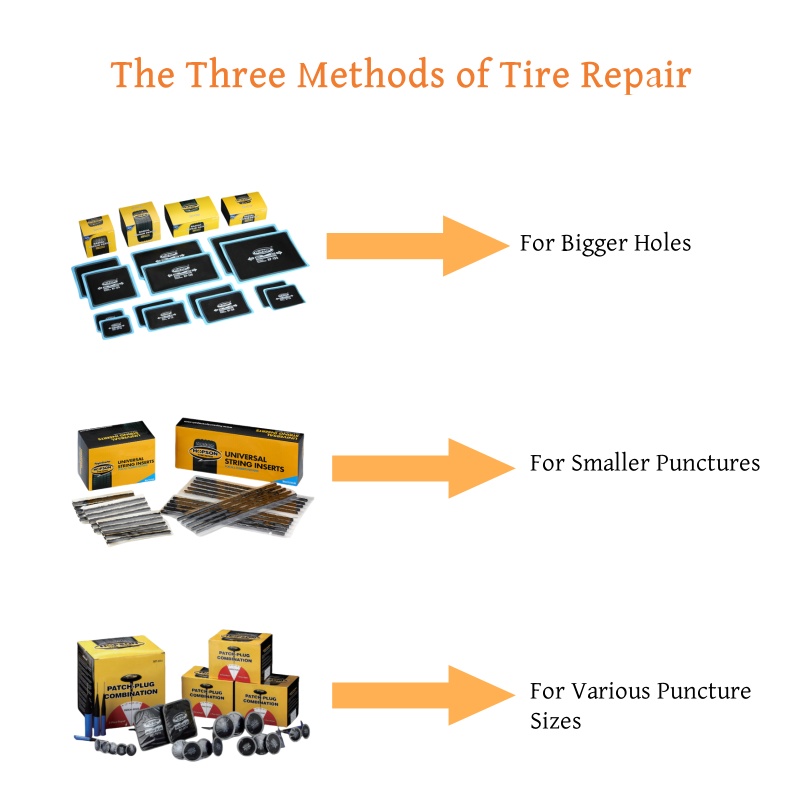
A tire patch repairs damage from inside the tire. It seals the inner liner and provides a stronger repair than many temporary external fixes.
The Complete Guide to Jeep Tire Repair Punctures Plugs Patches and Spare-Tire Use recommends internal repairs when you want a professional long-term solution.
- ✦ Internal inspection
A tire technician can inspect hidden damage after removing the tire from the wheel.
- ✦ Long-term reliability
A properly installed patch can restore tire function when the damage meets repair guidelines.
Plug and Patch Combination Repairs
Some professional repairs combine a plug and patch into one unit. This method seals both the puncture path and inner liner.
This approach is often preferred when a tire shop repairs a puncture for continued daily driving.
- ✦ Professional evaluation
A technician should confirm that the tire is safe before repair.
When Jeep Owners Should Use a Spare Tire Instead
A spare tire is the safest option when damage exceeds repair limits. The Complete Guide to Jeep Tire Repair Punctures Plugs Patches and Spare-Tire Use includes spare tire planning because not every failure can be fixed.
Jeep owners who explore remote areas should check spare tire condition before every major trip. An old or underinflated spare cannot provide reliable backup.

- ✦ Sidewall damage
Cuts or punctures on the sidewall usually require tire replacement.
- ✦ Large holes
Large punctures may weaken the tire structure beyond safe repair.
- ✦ Severe trail damage
Broken belts, tears, and separated layers require replacement.
Checking Your Jeep Spare Tire Setup
Many Jeep models carry the spare outside the vehicle, making inspection easy. Check the tire pressure, tread condition, and mounting hardware regularly.
A matching full-size spare provides more flexibility for off-road travel than a temporary spare.
- ✦ Inspect before trips
Confirm your spare is ready before leaving pavement.
Essential Jeep Tire Repair Tools for Road and Trail Emergencies
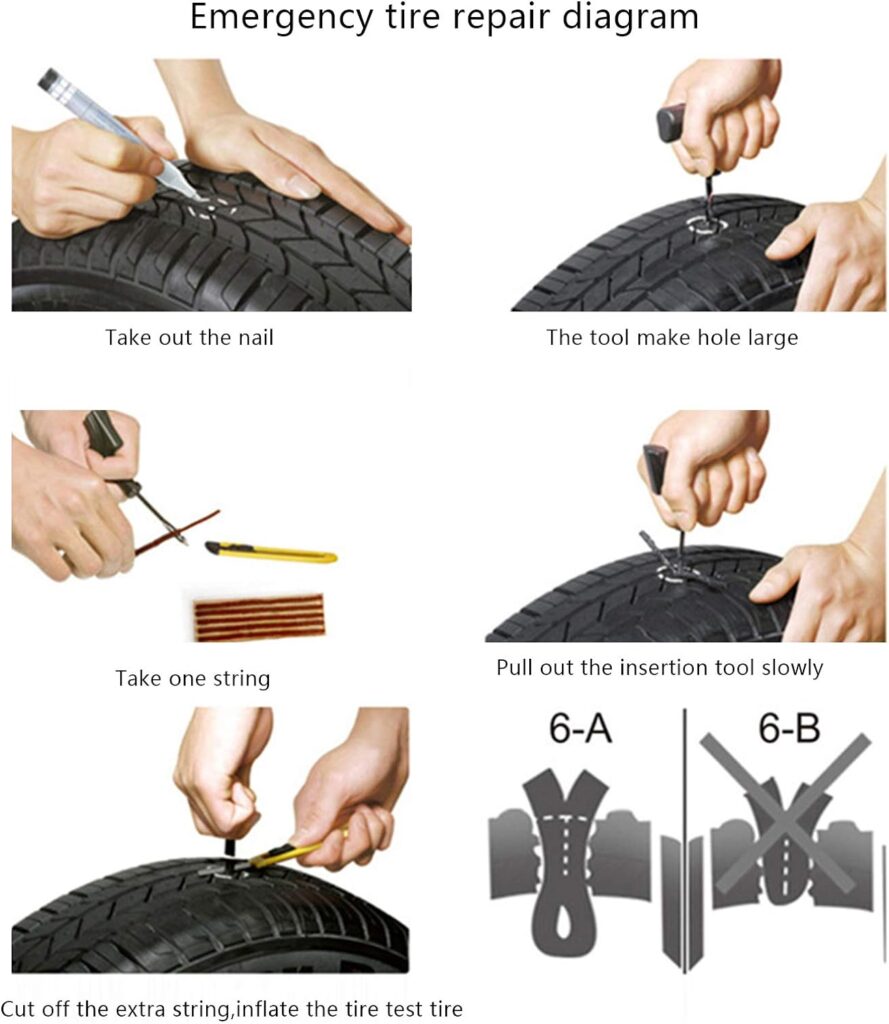
A complete tire repair kit should match your driving style. Daily commuters may need basic tools, while off-road Jeep owners need a more complete emergency setup.
The Complete Guide to Jeep Tire Repair Punctures Plugs Patches and Spare-Tire Use focuses on preparation because tire problems often happen far from repair shops.
- ✦ Tire plug kit
Provides a quick method for repairing suitable tread punctures.
- ✦ Portable air compressor
Helps adjust pressure after repairs and trail driving.
- ✦ Tire pressure gauge
Ensures accurate inflation during and after repairs.
Building a Jeep Trail Tire Repair Kit
A smart trail kit should stay organized and easy to access. Store tools in a waterproof container to protect them from dirt and moisture.
Practice using your equipment before an emergency happens. Familiar tools work faster under pressure.
- ✦ Practice repairs
Learning the process at home builds confidence on the trail.
Frequently Asked Questions about Complete Guide to Jeep Tire Repair Punctures Plugs Patches and Spare-Tire Use

Jeepexplorerr
Contributor