The Complete Guide to Jeep Seat Belts Pretensioners Buckles and Safety Systems explains the parts that work together to keep drivers and passengers safe. In the United States, Jeeps are often used for daily driving, road trips, towing, and off-road adventures. A properly working restraint system matters in every situation.
From years of working around vehicle safety systems, one lesson stands out: small seat belt issues should never be ignored. A slow retracting belt, loose buckle, or warning light can point to a larger safety problem.
The Complete Guide to Jeep Seat Belts Pretensioners Buckles and Safety Systems covers how these components work, common failures, inspection steps, and smart maintenance practices for Jeep owners.
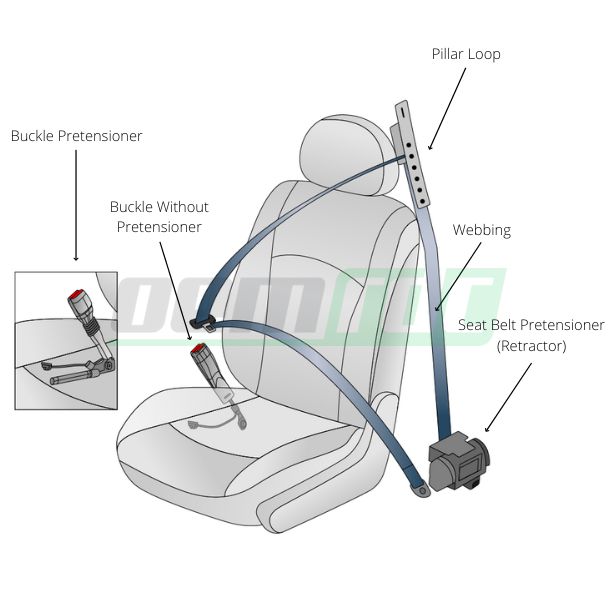
How Jeep Seat Belt Systems Work
A Jeep seat belt system is designed to hold people in the safest position during sudden stops or crashes. It uses several parts that work together instead of relying on the belt alone.
The belt webbing spreads crash forces across stronger areas of the body. The buckle keeps the belt locked, while the retractor controls belt movement and comfort.

- ✦ Seat belt webbing
The strong fabric strap holds the occupant and manages crash forces.
- ✦ Retractor assembly
The retractor allows normal movement but locks during sudden motion.
- ✦ Buckle system
The buckle connects the belt and keeps it secured during travel.
Why Jeep Owners Should Understand Safety Components
Many Jeep owners focus on tires, suspension, and engine care but overlook seat belt parts. Safety systems need the same attention as mechanical parts because they may only activate during an emergency.
- ✦ Better inspections
Knowing the parts makes it easier to spot wear or damage early.
Understanding Jeep Seat Belt Pretensioners
Seat belt pretensioners are advanced safety devices that tighten the belt during a serious impact. They work with crash sensors and airbag control systems to reduce occupant movement.
The Complete Guide to Jeep Seat Belts Pretensioners Buckles and Safety Systems shows why pretensioners are important in modern Jeeps. They help remove extra slack from the belt within a fraction of a second.
- ✦ Crash response
Pretensioners activate when sensors detect a collision that requires additional restraint.
- ✦ Reduced movement
Tightening the belt helps keep occupants positioned correctly.
How Pretensioners Activate
A control module receives information from impact sensors. If conditions meet certain safety limits, the system triggers the pretensioner mechanism.
- ✦ Sensor communication
Sensors send crash information to the restraint control module.
Jeep Seat Belt Buckles and Common Problems
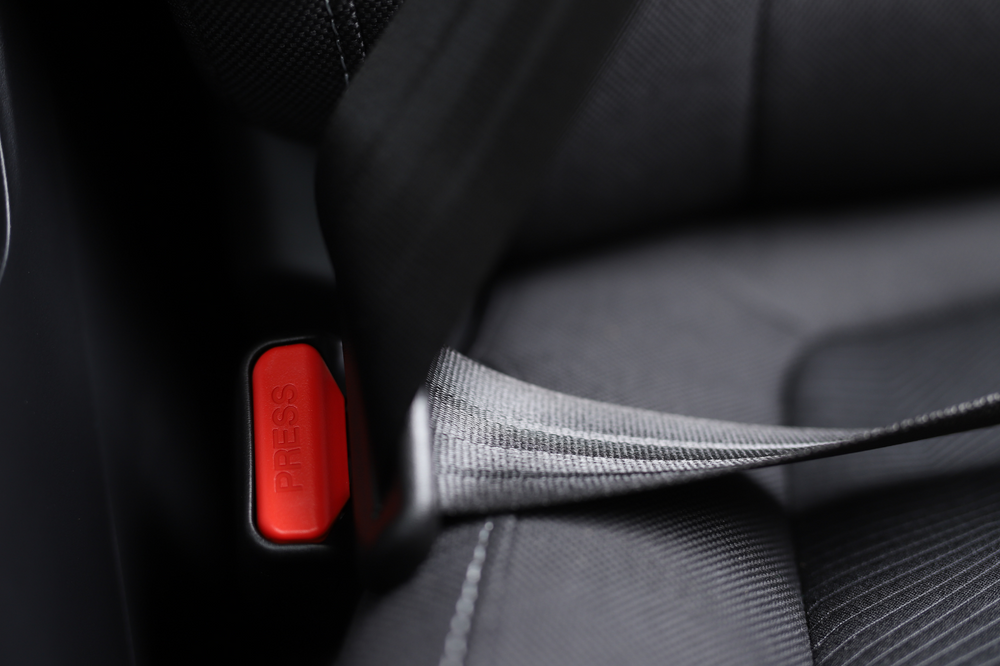
The buckle is one of the most used parts of a Jeep restraint system. Every trip starts with clicking the belt into place, so wear can develop over time.
Common buckle problems include difficulty locking, accidental release, stuck buttons, and warning lights. These issues should be checked because the buckle must hold securely during a crash.
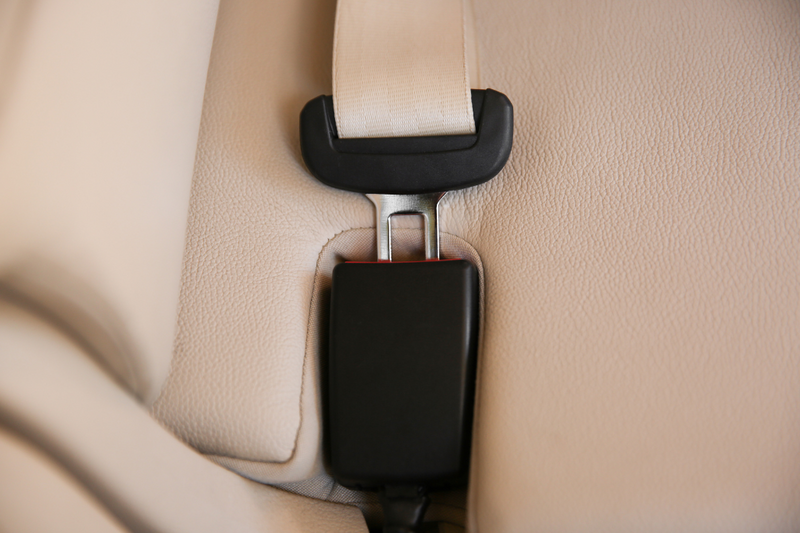
- ✦ Hard to latch
Dirt or internal damage may stop the buckle from locking correctly.
- ✦ Warning lights
A sensor problem may trigger a restraint system warning.
When to Replace a Jeep Buckle
A damaged buckle should not be repaired with temporary fixes. Replacement with a correct part is the safer option when the locking mechanism fails.
- ✦ Visible damage
Cracks or broken parts require immediate attention.
Jeep Seat Belt Warning Lights and Safety Sensors
Modern Jeeps use electronic systems to monitor seat belts, airbags, and restraint components. A warning light can mean the system found a fault that needs attention.
Drivers should not ignore restraint warning indicators. A light may appear because of wiring issues, sensor faults, damaged connectors, or previous collision repairs.

- ✦ Airbag control module
This module manages communication between safety sensors and restraint devices.
- ✦ Belt sensors
Sensors help identify seat belt use and system status.
Safe Diagnostic Steps
A proper scan tool can identify stored safety system codes. Repairs should follow manufacturer procedures because restraint components are critical safety equipment.
- ✦ Professional testing
Qualified technicians can test electrical safety systems correctly.
Maintenance Tips for Jeep Seat Belts and Restraint Systems
Regular seat belt care helps maintain comfort and reliability. Simple checks can find problems before they become safety risks.
The Complete Guide to Jeep Seat Belts Pretensioners Buckles and Safety Systems recommends inspecting belts after accidents, heavy use, or vehicle modifications.
- ✦ Inspect belt fabric
Look for cuts, fraying, stains, or damage along the webbing.
- ✦ Clean buckles
Remove dirt that may prevent proper locking.
- ✦ Check retractors
Make sure belts extend smoothly and retract fully.
Why Aftermarket Changes Need Care
Roll cages, racing seats, and custom interiors can affect factory restraint systems. Any modification should consider how safety parts work together.
- ✦ Professional advice
Experts can help confirm that modifications keep safety functions intact.
Seat Belt Repairs After a Jeep Accident
After a collision, seat belts may look normal but still need replacement. Pretensioners can activate during impact and may not work again until replaced.
A complete inspection should include belts, buckles, retractors, pretensioners, wiring, and related safety modules.

- ✦ Crash inspection
Check all restraint parts after any serious impact.
- ✦ Replacement parts
Use correct parts designed for the specific Jeep model.
Avoiding Unsafe Repairs
Seat belt systems contain safety devices that require careful handling. Incorrect repairs can reduce protection during another crash.
- ✦ Follow factory procedures
Use approved repair methods for restraint components.
Frequently Asked Questions about Complete Guide to Jeep Seat Belts Pretensioners Buckles and Safety Systems

Jeepexplorerr
Contributor