The Complete Guide to Jeep Pre-Purchase Inspection for Used Grand Cherokees helps buyers make a smart choice before signing a purchase agreement. In the United States, many people choose Grand Cherokees for family trips, daily driving, towing, and outdoor adventures. A detailed inspection helps you know if the SUV matches your needs.
From my experience reviewing used vehicles, the biggest mistakes happen when buyers focus only on mileage and appearance. A clean Jeep can still hide expensive issues under the hood or inside the drivetrain. This Complete Guide to Jeep Pre-Purchase Inspection for Used Grand Cherokees explains the areas that deserve the most attention.

Why a Jeep Grand Cherokee Inspection Matters Before Buying
A used Jeep Grand Cherokee can offer comfort, power, and strong off-road ability. However, repairs on modern SUVs can become expensive when problems stay hidden. A proper inspection gives you facts before you spend your money.
The Complete Guide to Jeep Pre-Purchase Inspection for Used Grand Cherokees starts with understanding risk. Previous owners may have skipped maintenance, used the vehicle for towing, or driven it in harsh conditions. An inspection helps reveal these details.
- ✦ Avoid expensive surprises
A detailed check can reveal engine leaks, transmission problems, worn suspension parts, and electrical faults before purchase.
- ✦ Understand vehicle condition
Inspection results show whether the Jeep needs small repairs or major work after purchase.
Check the Jeep Grand Cherokee Vehicle History First
Before looking at mechanical parts, review the vehicle history report. The report can show accidents, title problems, ownership changes, and service records. This step often saves buyers from bad deals.
A low mileage number does not always mean a better vehicle. A well-maintained Jeep with higher mileage can be a safer choice than a neglected SUV with fewer miles.

- ✦ Review service records
Look for regular oil changes, transmission service, cooling system care, and drivetrain maintenance.
- ✦ Check ownership history
Multiple owners in a short period may require more questions about the vehicle’s past.
- ✦ Look for accident history
Major repairs can affect safety, alignment, and long-term reliability.
Inspect the Engine and Cooling System Carefully
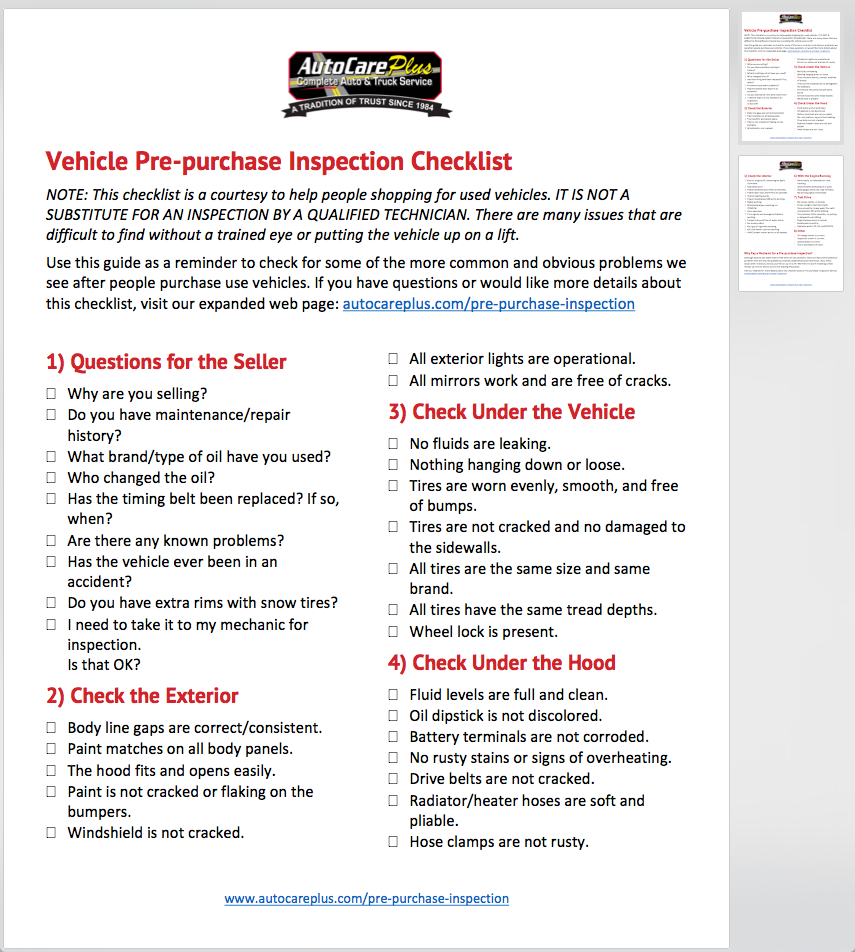
The engine is one of the most important parts of this Complete Guide to Jeep Pre-Purchase Inspection for Used Grand Cherokees. Start with a cold engine because warm engines can hide starting problems or unusual sounds.
Look for oil leaks, coolant leaks, damaged hoses, and unusual engine noise. A test drive should also confirm smooth power delivery and stable temperatures.
- ✦ Check fluid condition
Clean oil, proper coolant level, and healthy transmission fluid can show better maintenance habits.
- ✦ Watch for warning signs
Smoke, overheating, rough idle, or strange noises need professional attention.
Common Engine Areas to Examine
Inspect the battery, belts, hoses, oil leaks, and cooling parts. Small issues can become large repair bills if ignored.
- ✦ Battery condition
A weak battery may cause electrical problems and starting issues.
- ✦ Cooling system
Radiator, thermostat, and coolant leaks should be checked before purchase.
Evaluate Transmission and 4×4 Drivetrain Performance
The transmission and 4×4 system are major parts of a Jeep Grand Cherokee inspection. Many buyers choose this SUV because of its towing and adventure capability, so drivetrain health matters.
During the test drive, notice shifting quality, vibration, and unusual sounds. A smooth transmission response is a positive sign.
- ✦ Test transmission shifts
The vehicle should shift smoothly without delays, harsh impacts, or slipping.
- ✦ Check 4×4 operation
Confirm that drive modes work correctly and no warning lights appear.
- ✦ Inspect differential areas
Leaks or noises from drivetrain components may indicate future repair needs.
Inspect Suspension, Steering, Brakes, and Tires
Grand Cherokees provide a comfortable ride, but suspension parts wear over time. A complete inspection should include shocks, bushings, steering parts, and wheel alignment.
Tires also provide clues about vehicle care. Uneven tire wear can point to alignment issues or suspension problems.

- ✦ Check suspension movement
Listen for clunks or knocks when driving over bumps.
- ✦ Review tire condition
Match tire wear patterns with proper alignment and maintenance.
- ✦ Test braking response
The Jeep should stop smoothly without vibration or pulling.
Review Interior Electronics and Safety Features
Modern Jeep Grand Cherokees include many electronic systems. These features improve comfort but can become costly when they fail. Test every button before buying.
The Complete Guide to Jeep Pre-Purchase Inspection for Used Grand Cherokees includes checking screens, cameras, sensors, climate controls, and safety systems.
- ✦ Test infotainment
Check the touchscreen, Bluetooth, navigation, and audio controls.
- ✦ Check safety systems
Verify airbags, parking sensors, cameras, and driver assistance features.
Complete the Final Test Drive and Professional Inspection
A test drive should include city roads, highways, and rough surfaces when possible. Different conditions reveal different problems. Pay attention to sounds, comfort, and handling.
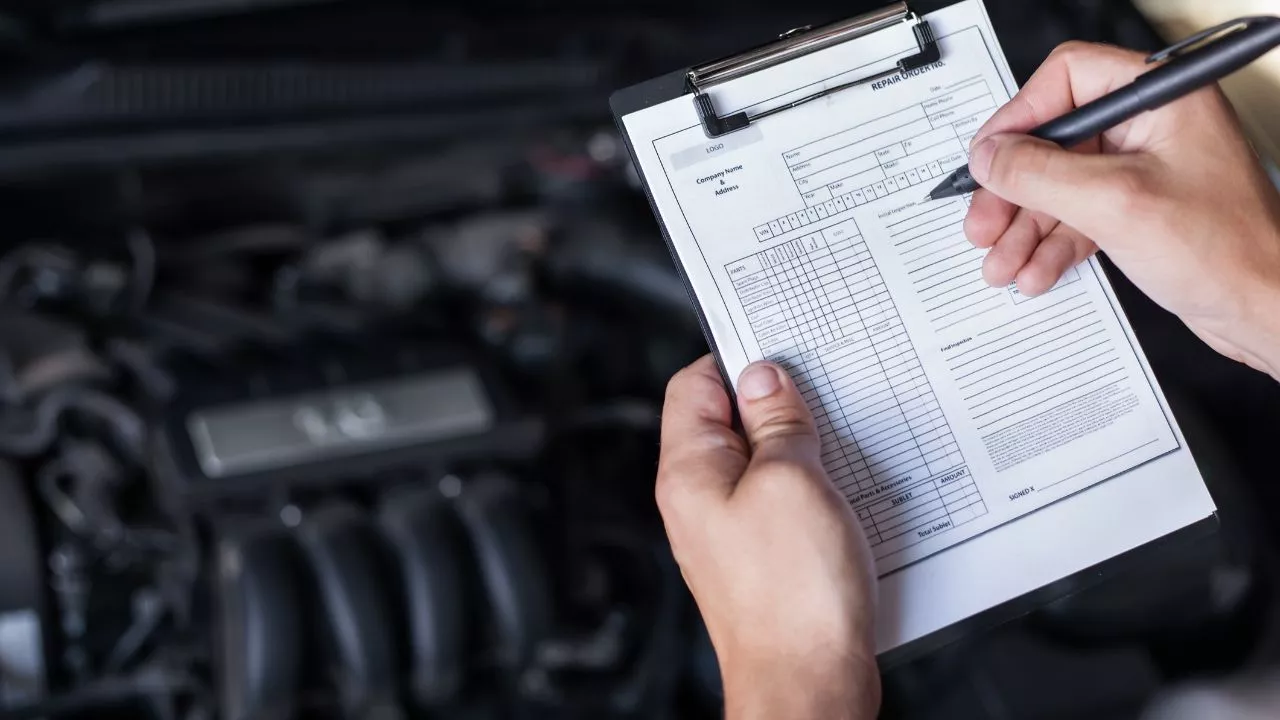
A professional mechanic can inspect areas that most buyers cannot see. Spending money on an inspection before buying can protect you from large repair costs later.
- ✦ Drive at different speeds
Highway driving can reveal vibration, noise, and transmission concerns.
- ✦ Use a mechanic
An experienced technician can identify hidden mechanical issues.
Frequently Asked Questions about Complete Guide to Jeep Pre-Purchase Inspection for Used Grand Cherokees

Jeepexplorerr
Contributor