The Complete Guide to Jeep Ground connections Voltage Drops and Electrical Diagnosis helps Jeep owners understand one of the most overlooked causes of electrical problems. Many drivers replace batteries, sensors, and modules before checking the basic ground path that allows those parts to work correctly.
From my experience working through vehicle electrical faults, a weak ground can create symptoms that look unrelated. A Jeep may show flickering lights, communication errors, starting problems, warning messages, or random module failures when the real issue is a small amount of resistance in a ground cable.

Understanding Jeep Ground Connections and Their Role in Vehicle Electronics
A ground connection completes the electrical circuit between a Jeep component and the battery negative terminal. Modern Jeeps depend on strong ground paths because many systems use electronic controls instead of simple mechanical switches.
The Complete Guide to Jeep Ground Connections Voltage Drops and Electrical Diagnosis begins with understanding that electricity needs both power and return paths. A clean positive connection cannot overcome a weak ground connection.

- ✦ Battery Ground Cable
The main negative cable connects the battery to the engine and chassis. Damage here can affect starting and charging performance.
- ✦ Engine Ground Straps
Engine straps allow current to return during starter operation and prevent electrical stress on smaller wires.
- ✦ Module Grounds
Control modules need stable grounds to process sensor signals and communicate correctly.
Why Jeep Ground Problems Are Often Misdiagnosed
A bad ground often creates intermittent problems. The issue may appear only when the engine vibrates, electrical loads increase, or moisture reaches a connection point.
Many Jeep owners focus on error codes first. However, a faulty ground can cause false sensor readings and communication failures that lead the diagnostic process in the wrong direction.
- ✦ Common Symptoms
Symptoms include dim lights, slow cranking, random warning lights, and unstable electronic behavior.
How Voltage Drop Testing Reveals Hidden Jeep Electrical Problems
Voltage drop testing measures unwanted resistance while current flows through a circuit. This method is more accurate than checking resistance with a disconnected wire because real problems appear under load.
The Complete Guide to Jeep Ground Connections Voltage Drops and Electrical Diagnosis uses voltage drop testing as a primary method because corrosion and loose connections may pass a basic continuity test.
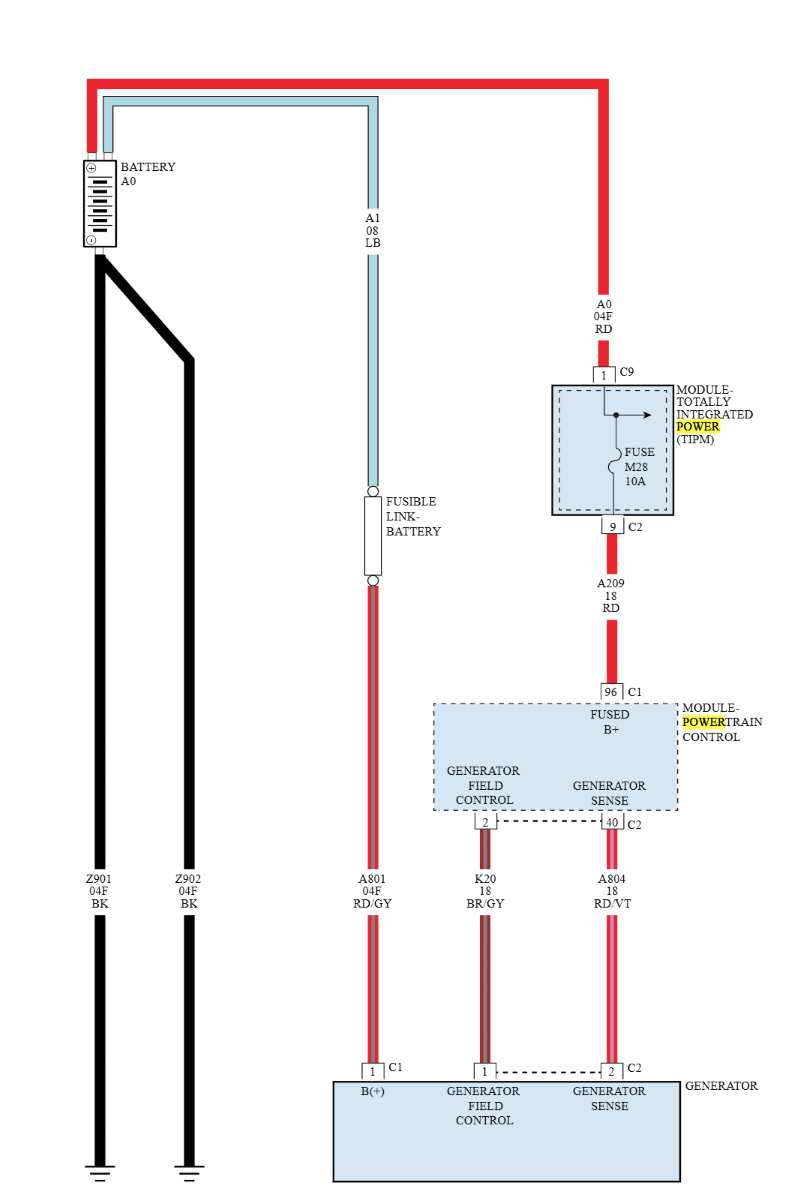
- ✦ Ground Side Test
Place the meter leads between the component ground and battery negative while the circuit operates.
- ✦ Acceptable Results
A healthy ground circuit usually shows very low voltage loss. Higher readings indicate unwanted resistance.
Tools Needed for Ground Diagnosis
A digital multimeter is the main tool for voltage drop testing. Test leads with sharp probes can help reach difficult connection points.
A wiring diagram also helps identify the correct ground location before testing.
- ✦ Digital Multimeter
Measures voltage differences between ground points during operation.
- ✦ Service Information
Shows factory ground locations and circuit layouts.
Common Jeep Ground Connection Failure Points
Jeep vehicles often operate in harsh conditions. Mud, water, road salt, and off-road vibration can slowly damage electrical ground points.
The Complete Guide to Jeep Ground Connections Voltage Drops and Electrical Diagnosis requires checking physical connection areas, not only electronic components.
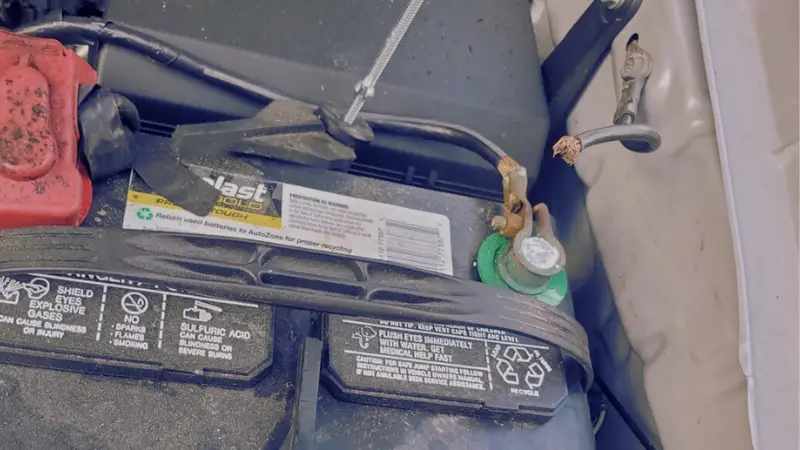
- ✦ Battery Terminals
Loose or corroded battery terminals can restrict current flow and create multiple electrical symptoms.
- ✦ Chassis Ground Locations
Paint, rust, and corrosion can increase resistance between the cable lug and vehicle body.
- ✦ Engine Block Grounds
Broken straps or dirty mounting surfaces can affect starter and charging circuits.
Off-Road Conditions and Ground Damage
Jeep owners who drive trails face extra risks because water and debris can reach electrical connections. Regular inspection helps prevent sudden electrical failures during trips.
A simple cleaning routine can protect important ground points and reduce future diagnosis time.
- ✦ Inspection Tip
Look for green corrosion, loose bolts, damaged insulation, and exposed metal oxidation.
Diagnosing Jeep Starting and Charging Issues Caused by Grounds
Starting problems are often linked to battery condition, but the ground path is equally important. The starter draws high current, so even small resistance can create a large voltage loss.
Charging problems can also come from poor grounds because the alternator needs a complete return path to maintain system voltage.

- ✦ Slow Cranking
A weak engine ground can reduce starter performance and create hard-start conditions.
- ✦ Low Charging Voltage
Poor alternator grounding can prevent accurate voltage regulation.
Testing the Starter Ground Circuit
Test the ground side while cranking because the starter creates the highest load. This reveals resistance that remains hidden during normal checks.
Compare voltage readings with manufacturer specifications before replacing parts.
- ✦ Load Testing
Testing during starter operation gives the most realistic circuit condition.
Jeep Electronic Modules and Ground Related Communication Failures
Modern Jeeps use many control modules that share information through communication networks. These modules require clean power and stable grounds to operate correctly.
The Complete Guide to Jeep Ground Connections Voltage Drops and Electrical Diagnosis explains why communication faults may come from wiring problems instead of failed modules.

- ✦ CAN Network Issues
Poor grounds can disturb module communication and trigger multiple unrelated warning messages.
- ✦ Sensor Errors
Sensors may send incorrect signals when their reference ground becomes unstable.
Checking Module Ground Integrity
Always confirm ground quality before replacing expensive electronic modules. A new module may fail again if the original ground problem remains.
Professional technicians often verify power, ground, and communication signals before making replacement decisions.
- ✦ Diagnostic Order
Check battery condition, power supply, grounds, wiring, and communication before replacing components.
Repairing and Preventing Jeep Ground Connection Problems
Repairing a Jeep ground connection usually requires cleaning metal surfaces, securing fasteners, and protecting the connection from future corrosion.
A good repair restores a low-resistance path and improves long-term electrical reliability.
- ✦ Clean Contact Surfaces
Remove rust, dirt, and oxidation from the cable lug and mounting surface.
- ✦ Secure Fasteners
Tighten bolts properly so vibration does not loosen the connection.
- ✦ Protect Against Moisture
Use suitable corrosion protection after completing the repair.
Preventive Maintenance Schedule
Inspect important grounds during battery service or before major off-road trips. Early checks prevent difficult roadside repairs.
Keeping a record of repaired grounds can also help future troubleshooting.
- ✦ Regular Inspection
Check battery, chassis, and engine grounds at routine service intervals.
Frequently Asked Questions about Complete Guide to Jeep Ground Connections Voltage Drops and Electrical Diagnosis

Jeepexplorerr
Contributor