The Complete Guide to Jeep Fuse Types Fuse Ratings and Circuit Protection helps owners understand one of the most important parts of Jeep electrical systems. A small fuse can prevent expensive damage to modules, wiring, lights, and accessories.
From daily driving in a Jeep Grand Cherokee to off-road trips in a Wrangler, proper circuit protection matters. In my experience working with automotive electrical systems, many fuse failures are not caused by bad fuses alone. They often point to wiring problems, added accessories, or incorrect repairs.
This Complete Guide to Jeep Fuse Types Fuse Ratings and Circuit Protection explains fuse designs, amp ratings, fuse box layouts, testing methods, and replacement practices for US vehicle owners.

Understanding Jeep Fuse Types and Their Purpose
A fuse acts as a safety device inside a Jeep electrical circuit. It contains a small metal element that melts when current becomes too high.
The Complete Guide to Jeep Fuse Types Fuse Ratings and Circuit Protection starts with understanding that different Jeep models use different fuse styles. Modern Jeeps usually use blade fuses, while older vehicles may include glass or cartridge designs.

- ✦ Blade fuses
Blade fuses are common in modern Jeeps. They come in several sizes, including mini, low-profile mini, and standard types.
- ✦ Cartridge fuses
Cartridge fuses handle higher electrical loads and often protect major circuits such as power distribution systems.
- ✦ Glass fuses
Older Jeep models may use glass tube fuses that require visual inspection for a broken internal wire.
Why Jeep Electrical Systems Need Fuse Protection
Jeep vehicles contain many electrical parts, including control modules, sensors, motors, lighting systems, and entertainment devices. Each circuit needs protection from excessive current.
Without a proper fuse, a short circuit could create heat that damages wiring or electronic parts.
- ✦ Circuit safety
Fuses stop dangerous current flow before wires become overheated.
Jeep Fuse Ratings and Amp Numbers Explained
Fuse ratings are measured in amps. The amp number tells you how much current a fuse can handle before it opens the circuit.
The Complete Guide to Jeep Fuse Types Fuse Ratings and Circuit Protection requires careful attention to fuse ratings because installing the wrong size can create safety risks.

- ✦ Low amp fuses
Small ratings like 5A and 10A usually protect sensors, control circuits, and electronics.
- ✦ Medium amp fuses
Ratings such as 15A and 20A commonly protect lighting, accessories, and smaller motors.
- ✦ High amp fuses
Higher ratings protect heavy electrical loads like fans, power systems, and battery connections.
Why You Should Never Increase Fuse Size
Some owners install a larger fuse because the original fuse keeps blowing. This does not fix the problem.
A larger fuse allows more current through the circuit. The wiring may overheat before the fuse opens.
- ✦ Correct replacement
Always replace a fuse with the same type and amp rating listed by Jeep.
Common Jeep Fuse Box Locations and Layouts
Jeep vehicles usually have fuse panels in locations that allow easy service. The exact position depends on the model and year.
Many modern Jeeps have an under-hood power distribution center and an interior fuse panel near the passenger compartment.

- ✦ Under hood fuse box
This area usually contains higher current fuses and relays for engine and power systems.
- ✦ Interior fuse panel
The cabin fuse panel often protects comfort features such as lights, audio, and accessories.
Using Fuse Box Diagrams Correctly
Fuse diagrams show circuit names, fuse positions, and ratings. They help identify the correct fuse during diagnosis.
Always match the diagram to the exact Jeep year and trim because layouts can change between models.
- ✦ Check vehicle information
Use the owner’s manual or factory information for accurate fuse locations.
How to Test Jeep Fuses Before Replacement
A blown fuse is easy to replace, but proper testing helps confirm the real cause. Many technicians check the circuit before installing a new fuse.
The Complete Guide to Jeep Fuse Types Fuse Ratings and Circuit Protection includes testing because repeated fuse failure usually means another electrical issue exists.
- ✦ Visual inspection
Look through the fuse body and check if the internal metal strip is broken.
- ✦ Multimeter testing
A multimeter can check continuity and confirm whether the fuse works.
- ✦ Test light method
A test light can quickly show whether power reaches both fuse terminals.
Signs of a Bad Jeep Fuse
Common signs include dead accessories, missing lights, inactive controls, or electrical features that suddenly stop working.
A fuse failure can happen from normal aging, but sudden repeated failures need deeper inspection.
- ✦ Repeated blowing
A repeated blown fuse usually indicates a short circuit or overloaded component.
Jeep Circuit Protection for Added Accessories
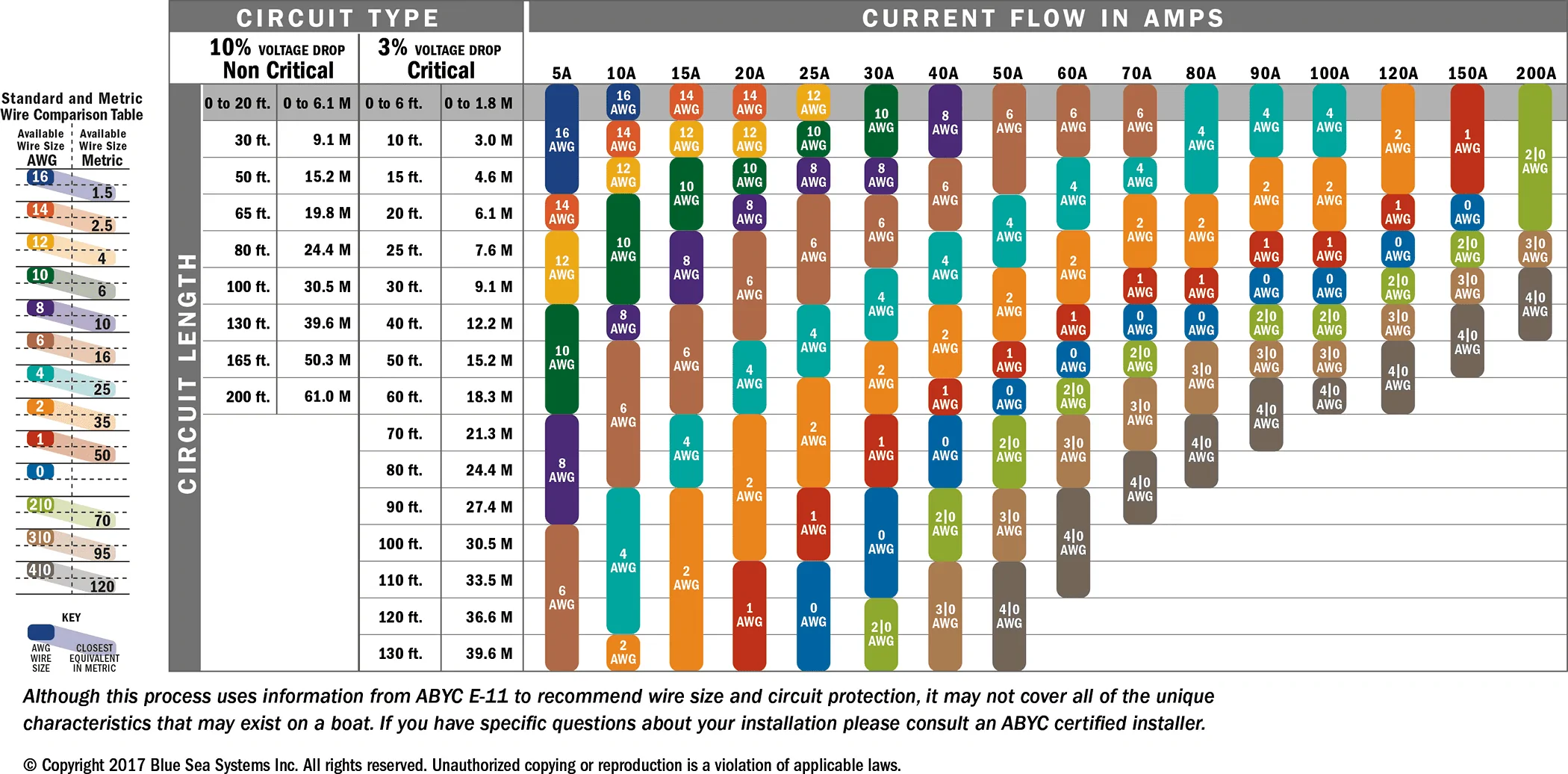
Many Jeep owners add lights, winches, compressors, radios, and other equipment. These upgrades require proper circuit planning.
A common mistake is connecting accessories directly to factory wiring without checking electrical capacity.
- ✦ Use dedicated circuits
High-power accessories should have their own fuse and wiring path.
- ✦ Match wire size
The wire must safely handle the expected current load.
Avoiding Electrical Overloads
Adding several accessories to one circuit can exceed its design limit. This creates heat and possible failures.
Professional installations often include relays, separate fuse holders, and proper grounding.
- ✦ Professional wiring practices
Good wiring protects both accessories and the Jeep electrical system.
Common Jeep Fuse Problems and Troubleshooting Steps
Fuse problems can come from many sources. A complete diagnosis looks beyond the fuse itself.
The Complete Guide to Jeep Fuse Types Fuse Ratings and Circuit Protection helps owners identify problems before replacing parts unnecessarily.
- ✦ Short circuits
Damaged wires can allow electricity to flow where it should not.
- ✦ Water damage
Moisture can create corrosion and electrical resistance.
- ✦ Accessory overload
Extra equipment can draw more power than the circuit supports.
A Simple Troubleshooting Process
Start by checking the failed circuit and replacing the fuse with the correct rating. If it fails again, stop and inspect the wiring.
A careful process saves money and prevents damage to expensive Jeep electronics.
- ✦ Inspect first
Find the reason behind the failure before replacing multiple fuses.
Frequently Asked Questions about Complete Guide to Jeep Fuse Types Fuse Ratings and Circuit Protection

Jeepexplorerr
Contributor