The Complete Guide to Jeep Driveline Vibration Diagnosis by Speed and Driving Condition helps Jeep owners find the real cause behind shaking, humming, and unwanted movement. Many Jeep vibrations feel similar, but the source can come from different parts of the drivetrain.
In my experience working through drivetrain complaints, the biggest mistake is replacing parts before testing. A vibration that appears at 45 mph may need a different repair than one that appears only during acceleration or four-wheel drive use.
This guide explains a simple process used by technicians and experienced Jeep owners. It focuses on speed patterns, driving conditions, inspection steps, and common repair solutions for American Jeep vehicles.

Understanding Jeep Driveline Vibration and Why Diagnosis Matters
A Jeep driveline vibration happens when rotating parts create uneven movement through the drivetrain. The vibration may travel through the seat, steering wheel, floor, or body.
The Complete Guide to Jeep Driveline Vibration Diagnosis by Speed and Driving Condition begins with identifying when the vibration happens. This single detail often points toward the correct system.
Jeep vehicles often face unique vibration concerns because many owners install lift kits, larger tires, and off-road upgrades. These changes can alter driveline angles and operating conditions.
- ✦ Rotating components
Driveshafts, tires, wheels, axles, and differential parts can create vibration when they lose balance or alignment.
- ✦ Changed vehicle setup
Lift kits and modified suspension systems can change factory angles and create new vibration patterns.
- ✦ Driving condition clues
Acceleration, cruising, braking, and turning behavior help separate driveline problems from tire or suspension problems.
How driveline vibration feels inside a Jeep
A floor vibration usually points toward drivetrain parts below the vehicle. A steering wheel shake often suggests front tire, wheel, or steering-related issues.
A humming sound with vibration may involve bearings, tires, or differential components. Careful observation gives better repair direction.
Diagnosing Jeep Vibration by Vehicle Speed
Vehicle speed is one of the strongest clues in driveline troubleshooting. A vibration that appears at a specific speed range usually connects to rotating speed rather than engine speed.
The Complete Guide to Jeep Driveline Vibration Diagnosis by Speed and Driving Condition requires testing at different speeds while keeping notes about when the problem begins and ends.
- ✦ Low-speed vibration
Problems at low speeds may involve tires, wheels, axle parts, or loose drivetrain connections.
- ✦ Highway-speed vibration
Vibration between 50 and 75 mph often points toward wheel balance, driveshaft balance, or driveline angles.
- ✦ Speed-specific vibration
A vibration that appears at one speed range usually relates to a rotating component frequency.
Why speed changes help find the source
A mechanic can compare vibration changes by holding the Jeep at different speeds. If the vibration follows road speed, the issue may involve wheels or driveline rotation.
If engine RPM changes affect the vibration while vehicle speed stays similar, the engine or transmission may need attention.
Diagnosing Vibration During Acceleration and Load Changes
Acceleration vibration is one of the most common Jeep driveline complaints. The drivetrain works harder during acceleration, which can expose worn parts.
A vibration that appears only when pressing the gas pedal often points toward driveshaft angles, universal joints, or differential movement.

- ✦ Acceleration-only vibration
This pattern often suggests driveline parts operating under torque load.
- ✦ Coasting vibration
A vibration while releasing the throttle may suggest different bearing or gear-related concerns.
- ✦ Four-wheel drive vibration
4WD operation can reveal front driveshaft, transfer case, and axle-related problems.
Checking driveshaft angles after Jeep modifications
Lifted Jeeps often need careful driveshaft angle checks. A steep angle can place extra stress on universal joints and CV joints.
Many owners solve vibration issues by correcting angles instead of replacing complete drivetrain assemblies.
Inspecting Driveshafts, Universal Joints, and CV Joints
The driveshaft is one of the first areas to inspect during a Jeep driveline vibration diagnosis. It transfers power from the transmission or transfer case to the axles.
A damaged universal joint can create vibration, clunking, or unusual movement. Early inspection can prevent additional drivetrain damage.

- ✦ Driveshaft balance
A bent or unbalanced driveshaft can create vibration that increases with speed.
- ✦ Universal joint wear
Loose joints can allow unwanted movement and create drivetrain noise.
- ✦ CV joint inspection
Front driveshaft CV joints can wear and create vibration under certain loads.
Visual and physical inspection steps
Look for damaged components, missing balance weights, leaks, rust, or unusual movement. A small amount of looseness can create noticeable vibration.
Always inspect safety-related drivetrain parts before continuing normal driving.
Separating Tire and Wheel Problems from Driveline Problems
Not every Jeep vibration comes from the drivetrain. Tires and wheels create many similar symptoms, especially at highway speeds.
The Complete Guide to Jeep Driveline Vibration Diagnosis by Speed and Driving Condition includes tire checks because large off-road tires can develop balance and wear issues.

- ✦ Wheel balance
Incorrect wheel balance can cause shaking that increases with road speed.
- ✦ Tire wear patterns
Uneven tread wear can create vibration and road noise.
- ✦ Wheel damage
Bent wheels can create vibration even when tires look normal.
A simple road test comparison
If vibration changes after rotating tires, the wheels and tires may be the source. If vibration stays the same, drivetrain inspection becomes more important.
Testing one change at a time creates better results than replacing multiple parts together.
Common Jeep Driveline Vibration Repairs and Solutions
The correct repair depends on the exact cause found during diagnosis. A driveshaft issue needs a different solution than a tire balance issue.
Experienced Jeep owners often save money by testing first and replacing parts only when evidence supports the repair.
- ✦ Driveshaft correction
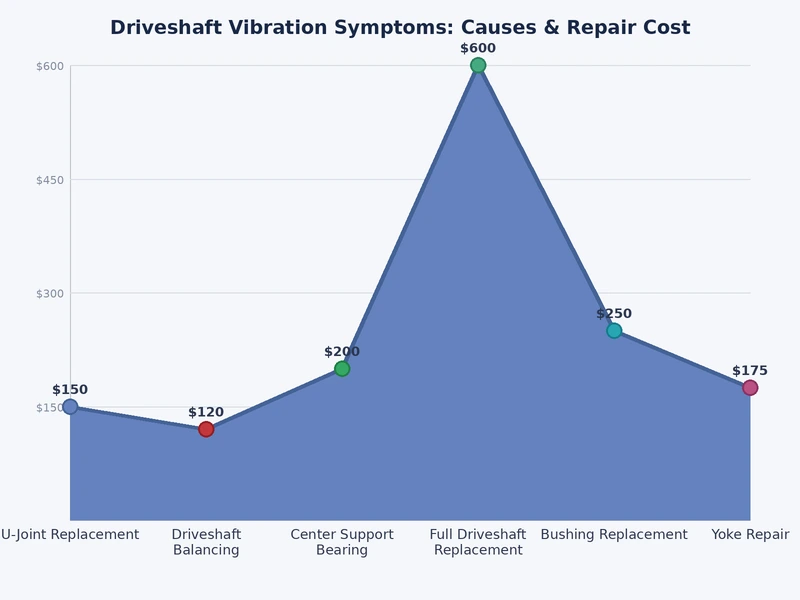
Repairs may include balancing, rebuilding, or replacing damaged driveshaft parts.
- ✦ Joint replacement
Worn universal joints and CV joints can often be replaced before larger damage occurs.
- ✦ Driveline angle correction
Lifted Jeeps may need geometry changes to restore proper operating angles.
When professional diagnosis is recommended
A professional inspection helps when vibration is severe, increases quickly, or comes with unusual sounds.
Special tools can measure vibration frequency and identify problems that are difficult to locate by sight.
Frequently Asked Questions about Complete Guide to Jeep Driveline Vibration Diagnosis by Speed and Driving Condition

Jeepexplorerr
Contributor