The Complete Guide to Jeep Vacuum Leaks and Their Effect on Engine Operation helps Jeep owners understand one of the most common engine issues. A small vacuum leak may seem harmless, but it can change how the engine receives air and fuel. Many Jeep models rely on vacuum signals for engine control, braking support, and other systems.
From my experience diagnosing vehicle issues, vacuum leaks often hide behind simple parts like old rubber hoses or loose connections. A Jeep may still start and drive, yet the driver notices hesitation, unstable idle, or reduced fuel economy. Finding the leak early can prevent unnecessary repairs and restore smooth operation.
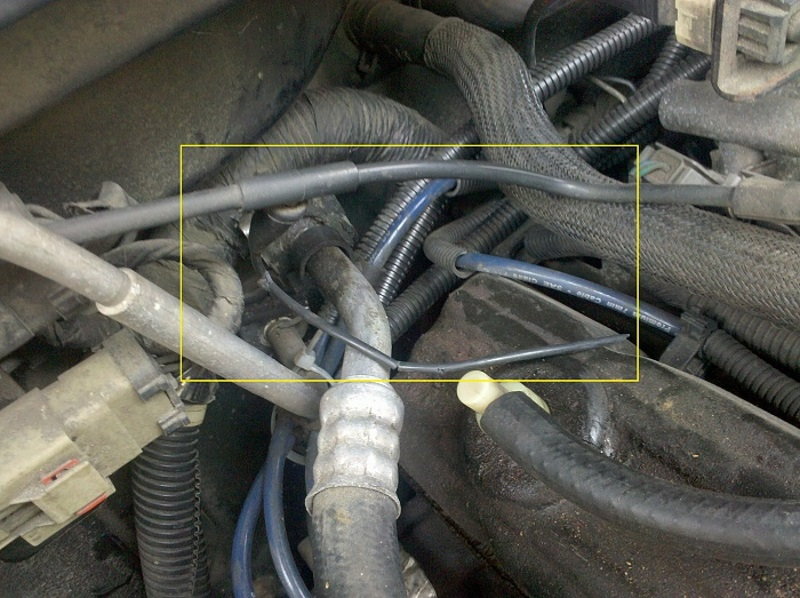
What a Vacuum Leak Means in a Jeep Engine
A vacuum leak happens when air enters the engine without passing through the normal intake path. The engine computer expects a measured amount of air, but extra air changes the fuel mixture. This can create a lean condition where the engine receives too much air and not enough fuel.
The Complete Guide to Jeep Vacuum Leaks and Their Effect on Engine Operation starts with understanding engine vacuum. During normal operation, the intake manifold creates low pressure that helps control engine systems. A leak reduces this vacuum and affects performance.
- ✦ Engine air control
The engine control system uses airflow information to adjust fuel delivery and maintain proper combustion.
- ✦ Vacuum-powered systems
Some Jeep systems use vacuum pressure for braking assistance, HVAC controls, and emissions components.
Why Jeep Engines Are Sensitive to Vacuum Problems
Modern Jeep engines depend on sensors and computer controls to manage fuel and ignition. Even a small air leak can confuse these systems and create noticeable symptoms. Older Jeep engines may show problems through rough running, while newer models may trigger warning lights.
- ✦ Sensor imbalance
Extra air can cause oxygen sensors to report a lean mixture and force fuel corrections.
Common Causes of Jeep Vacuum Leaks
Vacuum leaks usually develop from aging parts, heat exposure, or incorrect repairs. Jeep owners who drive in hot climates, dusty trails, or rough terrain may notice faster wear on hoses and connections.
The Complete Guide to Jeep Vacuum Leaks and Their Effect on Engine Operation includes checking simple parts first because many leaks come from inexpensive components.

- ✦ Cracked vacuum hoses
Rubber hoses can become brittle and develop small cracks that allow air to enter.
- ✦ Loose hose connections
A hose that slips from a fitting can create a direct vacuum loss.
- ✦ Intake manifold leaks
Damaged gaskets or sealing surfaces can allow air around the intake system.
- ✦ Brake booster leaks
A damaged brake booster diaphragm can reduce vacuum and affect braking support.
Vacuum Leaks After Jeep Modifications
Many Jeep owners add aftermarket parts such as intakes, throttle components, or off-road accessories. Poor installation or damaged connectors after modifications can create new vacuum problems. Always inspect connections after engine work.
- ✦ Aftermarket inspection
Check all removed hoses, clamps, and fittings after installing new engine parts.
Symptoms of a Jeep Vacuum Leak
The symptoms of a vacuum leak depend on the leak size and location. Some leaks create obvious problems, while small leaks may only appear during idle or cold starts.
Recognizing these signs helps Jeep owners avoid replacing good parts when the real issue is an air leak.

- ✦ Rough idle
The engine may shake, stumble, or have unstable RPM when sitting still.
- ✦ Poor acceleration
A lean fuel mixture can reduce throttle response and engine power.
- ✦ Check engine light
The computer may detect fuel trim problems and store diagnostic trouble codes.
- ✦ Hissing sound
A leaking hose or seal may create an audible air noise from the engine bay.
How Vacuum Leaks Affect Fuel Economy
A Jeep with a vacuum leak may use more fuel because the engine computer tries to correct the lean condition. Fuel adjustments can become excessive when the leak remains for a long time. Fixing the leak can restore better fuel control.
- ✦ Fuel trim changes
Long-term fuel corrections may increase as the computer tries to balance extra air.
How a Vacuum Leak Changes Engine Operation
The Complete Guide to Jeep Vacuum Leaks and Their Effect on Engine Operation focuses on how air imbalance changes combustion. The engine needs a precise air and fuel mixture for smooth performance. Extra air can make combustion weaker and less efficient.
The engine computer can correct small leaks, but larger leaks may exceed its ability to adjust. This creates noticeable drivability problems.

- ✦ Combustion changes
Incorrect air and fuel balance can reduce combustion quality and engine smoothness.
- ✦ Idle control problems
Vacuum loss is often most noticeable when the engine runs at low speed.
Effect on Jeep Transmission and Driving Feel
A vacuum leak does not directly damage the transmission, but engine performance changes can affect shifting behavior. Some drivers notice hesitation or unusual driving response because engine load information becomes inaccurate.
- ✦ Driving symptoms
Acceleration changes and unstable power delivery may appear during normal driving.
How to Diagnose a Jeep Vacuum Leak
Finding a vacuum leak requires a careful process. Start with simple checks before using advanced tools. Many successful repairs begin with a flashlight and a close inspection of hoses.
The Complete Guide to Jeep Vacuum Leaks and Their Effect on Engine Operation recommends testing the entire vacuum system instead of replacing random components.

- ✦ Visual inspection
Look for cracked hoses, loose fittings, damaged connectors, and broken vacuum lines.
- ✦ Smoke testing
A smoke machine can reveal hidden leaks by showing where smoke escapes.
- ✦ Scan tool analysis
Fuel trim data and diagnostic codes can provide clues about vacuum problems.
Using Vacuum Test Tools
A vacuum gauge can show engine vacuum behavior and help identify problems. A steady reading usually indicates normal operation, while unusual patterns may suggest leaks or other engine issues.
- ✦ Professional testing
Repair shops often combine scan data, smoke tests, and mechanical checks for accurate diagnosis.
Repairing and Preventing Jeep Vacuum Leaks
Repairing a vacuum leak often involves replacing damaged hoses, securing connections, or repairing failed seals. The repair method depends on the leak location and the Jeep model.
Preventive maintenance is one of the easiest ways to avoid vacuum problems. Regular inspections help find aging parts before they create engine issues.

- ✦ Replace old hoses
New vacuum hoses can restore proper airflow control and prevent future leaks.
- ✦ Inspect during service
Check vacuum lines whenever performing oil changes or engine maintenance.
- ✦ Use quality parts
Durable hoses and correct fittings provide longer service life.
When Professional Repair Is Better
Some vacuum leaks are easy to repair at home, but hidden leaks may require professional equipment. If the problem involves intake seals, brake systems, or complex engine controls, expert diagnosis can save time.
- ✦ Safety concerns
Brake-related vacuum problems should always receive careful inspection.
Frequently Asked Questions about Complete Guide to Jeep Vacuum Leaks and Their Effect on Engine Operation

Jeepexplorerr
Contributor