The Complete Guide to Jeep Blower Motors Resistors and HVAC Airflow Problems helps Jeep owners understand one of the most common climate control failures. A weak fan, missing speeds, or no cabin air can make daily driving uncomfortable, especially during hot summers or cold winters across the United States.
From my experience studying vehicle HVAC systems, many Jeep owners replace parts too quickly. A proper diagnosis often starts with basic checks of power supply, blower operation, resistor condition, and airflow restrictions. Understanding how each part works saves time and avoids unnecessary repairs.

How Jeep Blower Motors and HVAC Airflow Systems Work
The blower motor is the electric fan that moves air through the Jeep HVAC housing. It pushes air across the evaporator for cooling and across the heater core for warmth.
The Complete Guide to Jeep Blower Motors Resistors and HVAC Airflow Problems starts with understanding airflow direction. The motor, fan cage, resistor, wiring, controls, and vents must all work together for proper cabin comfort.
- ✦ Blower motor function
The blower motor spins a fan wheel that moves air through the dashboard vents.
- ✦ Resistor function
The blower resistor changes electrical flow to provide different fan speeds.
- ✦ HVAC control role
The control panel sends commands that adjust fan speed and air direction.
Main HVAC Components in a Jeep
A Jeep HVAC system has several connected parts. A failure in one area can reduce airflow even when other parts appear normal.
- ✦ Cabin filter
A dirty filter can block air before it reaches the blower system.
Common Jeep Blower Motor Failure Symptoms
Blower motor problems often appear slowly. Many drivers notice reduced airflow before the fan stops completely.
The Complete Guide to Jeep Blower Motors Resistors and HVAC Airflow Problems shows that symptom patterns can reveal the failed component.

- ✦ No airflow from vents
A failed motor, fuse, relay, or wiring issue may stop the fan completely.
- ✦ Weak airflow
Low air pressure may come from a worn motor, blocked filter, or damaged fan wheel.
- ✦ Strange noises
Grinding, clicking, or squealing sounds can indicate motor bearing wear or debris.
Signs That Point Toward a Worn Blower Motor
A worn blower motor may run slowly, draw extra current, or work only after tapping the housing. These signs usually mean the motor needs inspection.
Jeep Blower Motor Resistor Problems and Failure Causes
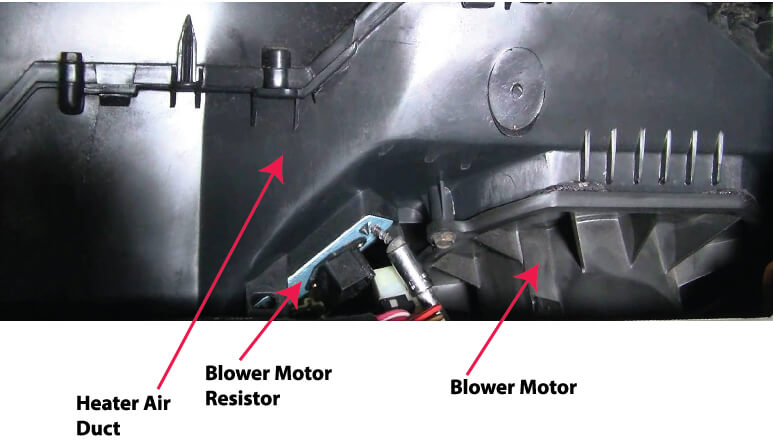
The blower motor resistor controls lower fan speeds by reducing voltage sent to the motor. When it fails, the fan may lose some speeds while one setting still works.
The Complete Guide to Jeep Blower Motors Resistors and HVAC Airflow Problems explains why resistor failures are common in older Jeep models. Heat buildup, electrical stress, and moisture exposure can damage resistor components.
- ✦ Only high speed works
This is a classic sign of a failed resistor because high speed often bypasses resistor circuits.
- ✦ Burned connector
A loose connection can create heat and damage the resistor plug.
- ✦ Intermittent fan operation
Electrical contact problems may cause random blower behavior.
Why Resistors Overheat
Resistors create heat during normal operation. Poor airflow around the part or high electrical load can increase heat and shorten its life.
How to Diagnose Jeep HVAC Airflow Problems
Diagnosis should follow a simple process. Testing parts before replacement prevents wasted money and repeat failures.
A professional technician usually checks electrical supply, motor condition, resistor output, and airflow restrictions.

- ✦ Check blower speeds
Test every fan setting to identify missing speed ranges.
- ✦ Inspect fuses and relays
Electrical protection parts can stop blower operation when they fail.
- ✦ Test motor power
Voltage testing confirms whether the motor receives proper power.
DIY Checks Before Visiting a Shop
Owners can inspect the cabin filter, listen for motor noises, and check visible wiring damage. These steps often reveal simple causes.
Replacing Jeep Blower Motors and Resistors
Replacing a blower motor or resistor requires careful handling because HVAC components connect with electrical wiring and plastic housings.
The Complete Guide to Jeep Blower Motors Resistors and HVAC Airflow Problems recommends confirming the failed component before installation. A new resistor will fail quickly if the motor draws too much current.

- ✦ Disconnect battery power
Always remove electrical power before working on HVAC wiring.
- ✦ Inspect connectors
Replace damaged plugs to prevent future overheating.
- ✦ Check airflow after repair
Verify every fan speed and vent setting works correctly.
When Professional Repair Is Better
Complex wiring faults, control module issues, or repeated resistor failures require deeper testing by a trained technician.
Frequently Asked Questions about Complete Guide to Jeep Blower Motors Resistors and HVAC Airflow Problems

Jeepexplorerr
Contributor