The complete Guide to Jeep Recovery Winch Capacity Line Types and Recovery Loads helps Jeep owners understand one of the most important parts of off-road safety. A winch can pull a stuck Jeep from mud, sand, snow, or steep trails, but only when the system matches the real recovery load.
From years of reviewing off-road setups, one lesson stands out. Many Jeep owners focus on the winch brand but ignore line type, anchor setup, and vehicle weight changes. A roof rack, armor, larger tires, and camping gear can change the recovery needs of a Jeep.

Understanding Jeep Recovery Winch Capacity
Winch capacity describes the maximum pulling force a winch can create. Most Jeep winches show their rating in pounds, such as 8,000, 10,000, or 12,000 pounds. This number does not mean the winch should pull that much weight in every situation.
The Complete Guide to Jeep Recovery Winch Capacity Line Types and Recovery Loads starts with understanding vehicle weight. A Jeep Wrangler may weigh several thousand pounds before adding passengers, tools, fuel, camping equipment, and aftermarket parts.

- ✦ Common Jeep winch sizing rule
Many off-road owners choose a winch rated around 1.5 times the loaded vehicle weight to create a safety margin.
- ✦ Terrain changes recovery force
Mud, deep sand, steep slopes, and buried tires increase the force needed to move a Jeep.
Why Loaded Weight Matters
A stock Jeep and a heavily modified Jeep do not create the same recovery demand. Extra bumpers, winches, skid plates, and gear increase the total weight.
A professional recovery plan considers the actual trail setup, not the factory curb weight alone.
- ✦ Vehicle modifications
Heavy accessories increase the force needed during recovery.
Choosing Between Synthetic Rope and Steel Cable
The winch line is the connection between the winch drum and the recovery point. The two main choices are synthetic rope and steel cable. Each option has benefits for different Jeep owners.
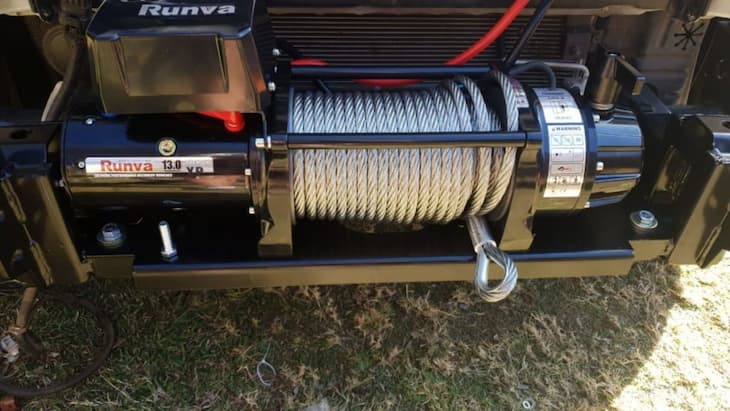
Synthetic rope has become popular because it is lightweight and easier to handle. Steel cable remains common because it offers strong durability in harsh environments.
- ✦ Synthetic winch rope
Synthetic rope is lighter, easier to handle, and safer to store because it creates less stored energy during failure.
- ✦ Steel winch cable
Steel cable resists abrasion well but requires careful handling to avoid sharp bends and broken strands.
Synthetic Rope Maintenance
Synthetic rope needs regular inspection because sunlight, chemicals, and sharp rocks can damage fibers. Cleaning dirt from the rope helps extend service life.
Many trail users prefer synthetic rope for weekend adventures because it is simple to handle during recovery.
- ✦ Inspection habit
Check for cuts, melted sections, and damaged fibers before every major trip.
Steel Cable Maintenance
Steel cable requires gloves during handling because broken wires can injure hands. Proper winding also prevents crushing and uneven layers.
Steel cable works well for users who regularly face rocky terrain and heavy recovery situations.
- ✦ Cable care
Replace cable sections when corrosion or broken wires appear.
How Recovery Loads Affect Jeep Winching
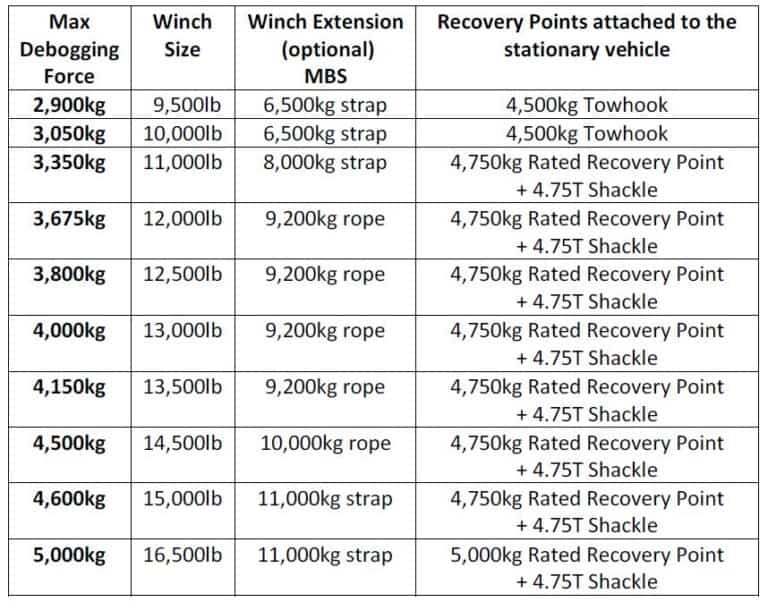
Recovery load is the total force placed on the winch system during a pull. This force changes based on vehicle weight, ground conditions, angle, and recovery method.
A stuck Jeep in deep mud may require much more force than a Jeep sitting on a flat trail. The Complete Guide to Jeep Recovery Winch Capacity Line Types and Recovery Loads explains why real-world recovery planning matters.
- ✦ Rolling resistance
Mud, rocks, and uneven ground increase resistance against movement.
- ✦ Recovery angle
A straight pull usually creates less stress than a difficult angled pull.
Single Line and Double Line Pulls
A single line pull connects the winch directly to the recovery point. A double line pull uses a snatch block to change direction and reduce strain on the winch.
Double line pulls can improve control during difficult recoveries but require correct equipment and setup.
- ✦ Snatch block use
A snatch block can increase pulling ability while reducing winch load.
Essential Jeep Recovery Equipment Beyond the Winch
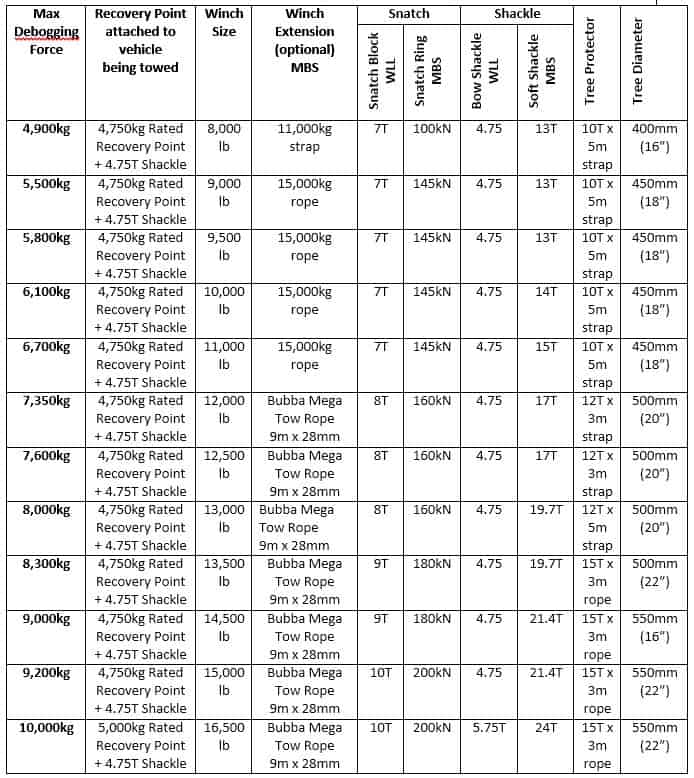
A winch alone does not create a complete recovery system. Safe recovery requires rated accessories that work together as a complete setup.
Experienced Jeep owners carry recovery gear because trail conditions can change quickly. Preparation reduces risk and makes recovery faster.
- ✦ Tree saver strap
A tree saver protects anchor points and reduces damage during recovery.
- ✦ Soft shackles
Soft shackles provide lightweight connection points for many modern recovery setups.
- ✦ Recovery gloves
Gloves protect hands when handling rope, cable, and dirty equipment.
Recovery Point Selection
Factory tow hooks and aftermarket recovery points are designed for specific loads. Random attachment points may fail under recovery stress.
Always check that recovery points match the vehicle and equipment rating.
- ✦ Rated connection
Use recovery points designed for pulling forces.
Common Jeep Winching Mistakes to Avoid
Many recovery failures happen because of poor planning rather than weak equipment. Small mistakes can damage a winch, vehicle, or recovery gear.
Learning from common errors helps Jeep owners build safer habits before reaching difficult trails.
- ✦ Wrong winch size
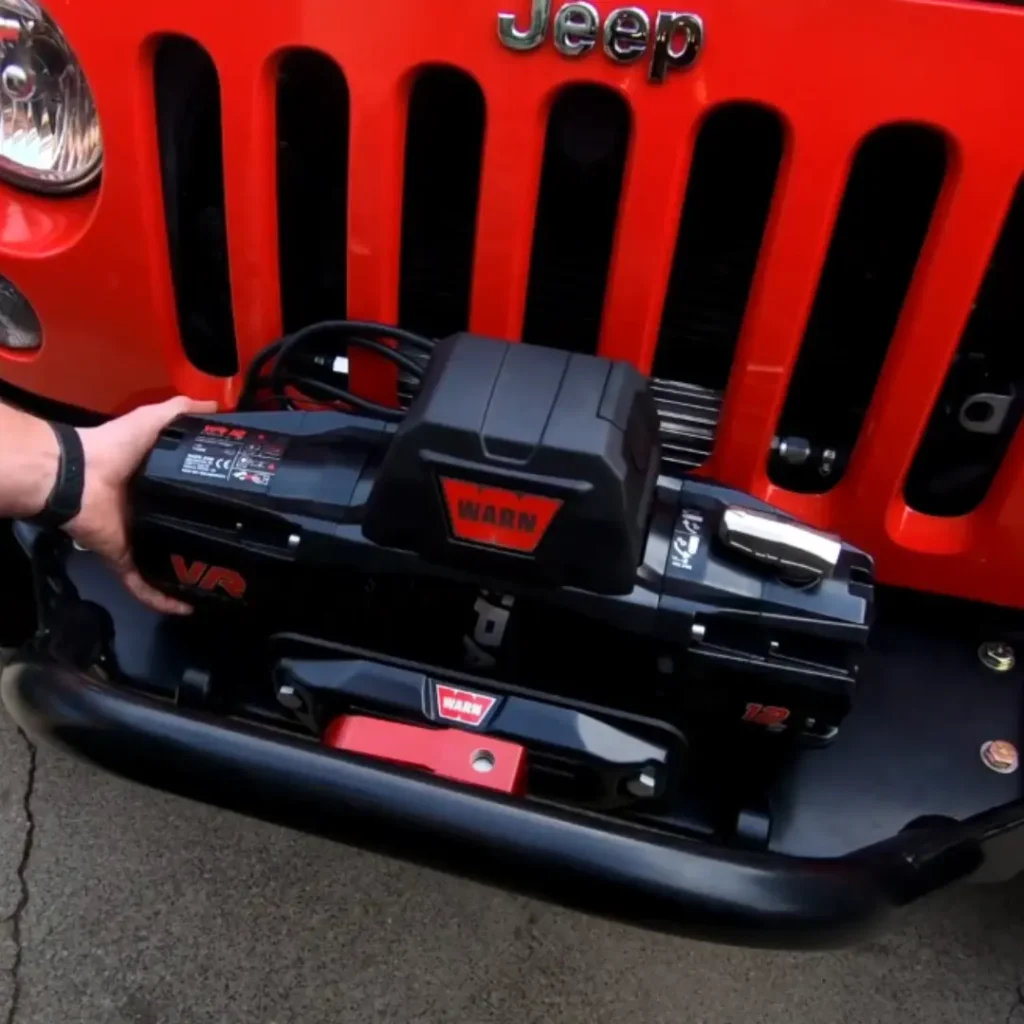
A winch that is too small may struggle under heavy recovery loads.
- ✦ Ignoring rope condition
Damaged rope or cable can fail when the system is under stress.
- ✦ Poor anchor setup
Weak anchors can create dangerous recovery situations.
Testing Your Setup Before Trails
Practice using your winch in a safe location before an emergency happens. Learn how the controls, clutch, and recovery tools work.
A prepared driver can complete a recovery with less stress and fewer mistakes.
- ✦ Practice recovery
Training improves confidence and equipment knowledge.
Frequently Asked Questions about Complete Guide to Jeep Recovery Winch Capacity Line Types and Recovery Loads

Jeepexplorerr
Contributor