The Complete Guide to Jeep Tire Pressure Load Temperature and Driving conditions starts with one simple idea: your tires are the only parts of your Jeep that touch the road. Whether you drive a Wrangler through rocky trails, commute in a Grand Cherokee, or tow equipment across the U.S., tire setup affects every mile.
In my experience working with Jeep owners, many tire problems come from small mistakes. A few PSI too low, an overloaded tire, or ignoring temperature changes can create uneven wear and reduce confidence behind the wheel. Understanding these factors helps you get more performance from your Jeep tires while improving safety.
This Complete Guide to Jeep Tire Pressure Load Temperature and Driving Conditions explains how pressure, weight, heat, weather, and terrain work together. The goal is to help everyday drivers make smarter tire decisions without needing advanced mechanical knowledge.

Understanding Jeep Tire Pressure and Why It Matters
Tire pressure controls how your Jeep connects with the road. The correct pressure allows the tread to sit evenly, which improves grip, steering response, and braking performance.
The recommended pressure is usually found on the driver door sticker, not on the tire sidewall. The number on the tire shows the maximum pressure limit, while the Jeep placard shows the pressure designed for your vehicle.
The Complete Guide to Jeep Tire Pressure Load Temperature and Driving Conditions begins with checking pressure when tires are cold. Driving creates heat, and warm tires naturally show higher pressure readings.
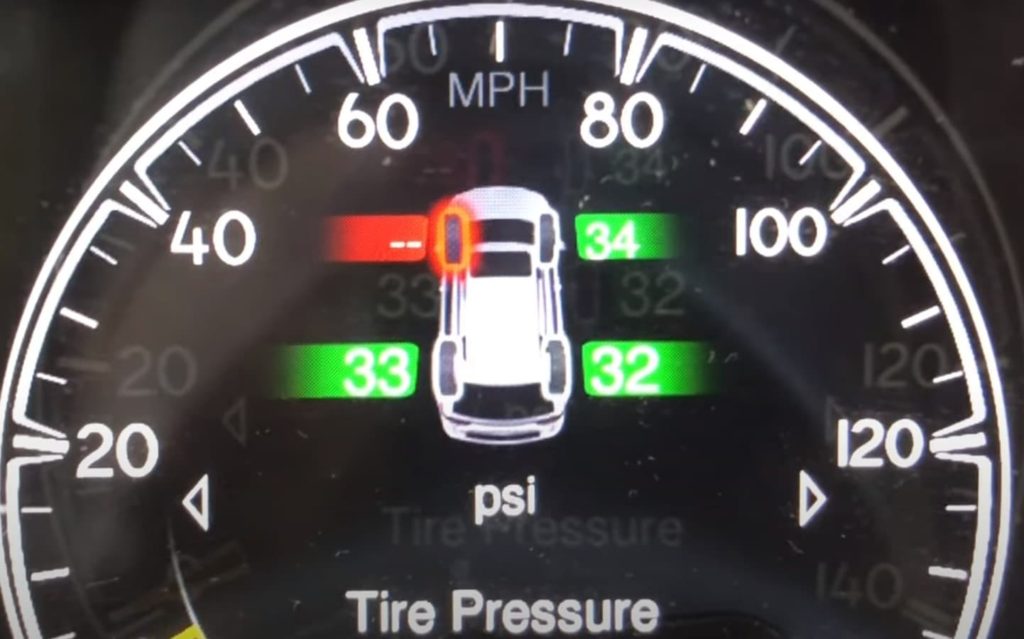
- ✦ Low Tire Pressure
Low pressure can increase sidewall flex, create extra heat, reduce fuel economy, and cause shoulder wear on the tire.
- ✦ High Tire Pressure
Overinflated tires may reduce ride comfort and can decrease traction because less tread stays connected to the surface.
- ✦ Cold Pressure Checks
Measure pressure before long drives or after the Jeep has been parked for several hours for the most accurate reading.
How Temperature Changes Affect Jeep Tire Pressure
Air expands when heated and contracts when cooled. A cold winter morning can lower tire pressure, while hot pavement and highway driving can raise it.
Jeep owners in areas with large seasonal changes should check pressure more often. A tire that looks fine may still be several PSI away from the recommended setting.
- ✦ Cold Weather
Lower temperatures can reduce tire pressure and trigger TPMS warnings.
- ✦ Hot Weather
High heat increases internal tire pressure and adds stress during long trips.
Jeep Tire Load Rating and Vehicle Weight Considerations
Every Jeep tire has a load rating that shows how much weight it can safely carry. This includes the vehicle itself, passengers, cargo, aftermarket parts, and towing loads.
Many Jeep owners add bumpers, winches, roof racks, skid plates, and recovery gear. These upgrades can increase vehicle weight and may require tires with a higher load capacity.
The Complete Guide to Jeep Tire Pressure Load Temperature and Driving Conditions includes load awareness because a tire that cannot handle the weight of the Jeep may wear faster and create safety concerns.
- ✦ Passenger Load
More passengers and cargo increase the force placed on each tire.
- ✦ Off-Road Equipment
Heavy modifications can change the ideal tire choice and pressure needs.
- ✦ Towing Needs
Trailers add extra weight and require careful attention to tire capacity.
Choosing the Right Tire Load Range for a Jeep
Jeep tires often come in different load ranges. A stronger tire may support heavier loads, but it can also change ride comfort and flexibility.
The best choice depends on how the Jeep is used. A daily driver may need a different tire setup than a heavily modified trail vehicle.
- ✦ Daily Driving Setup
Focus on comfort, noise level, handling, and normal vehicle weight.
- ✦ Adventure Setup
Consider stronger tires when carrying extra gear or exploring demanding terrain.
Jeep Tire Temperature Ratings and Heat Management
Tire temperature ratings show how well a tire can handle heat during testing conditions. Heat is one of the biggest causes of tire stress, especially during high-speed travel and heavy loads.
A Jeep used for long highway trips, towing, or desert driving places more heat demands on tires than a vehicle used only for short local trips.
The Complete Guide to Jeep Tire Pressure Load Temperature and Driving Conditions helps drivers understand that tire temperature is not just about weather. Driving style, weight, speed, and pressure all influence tire heat.
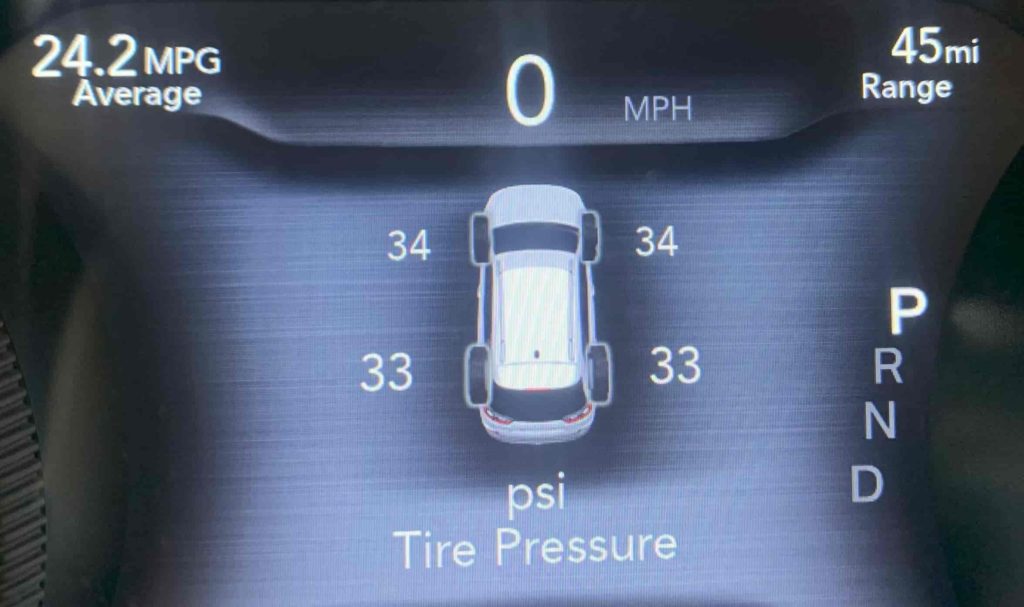
- ✦ Highway Heat
Long-distance driving creates continuous heat buildup inside the tire.
- ✦ Heavy Loads
Extra weight increases tire stress and operating temperature.
Signs Your Jeep Tires Are Running Too Hot
Excessive heat may appear as unusual wear, damaged rubber, or repeated pressure changes. Regular inspections can help catch problems before they become serious.
A tire gauge, visual check, and proper maintenance routine are simple tools every Jeep owner can use.
- ✦ Uneven Wear
Heat and pressure problems often create irregular tread patterns.
Adjusting Jeep Tire Pressure for Different Driving Conditions
A Jeep does not always need the same tire pressure for every situation. Highway travel, city driving, snow, sand, mud, and rocks all place different demands on tires.
Many experienced Jeep drivers adjust pressure for off-road use, especially when seeking better traction. However, pressure changes should always stay within safe limits for the tire and vehicle.
The Complete Guide to Jeep Tire Pressure Load Temperature and Driving Conditions shows why understanding your environment is more important than using one pressure number everywhere.

- ✦ Highway Driving
Use the recommended street pressure for stable handling and proper tire wear.
- ✦ Rock Crawling
Lower pressure can increase tire flexibility and traction when used carefully.
- ✦ Snow Conditions
Correct pressure helps maintain contact with slippery surfaces.
Jeep Tire Pressure for Off-Road Adventures
Off-road driving changes the relationship between the tire and terrain. Softer surfaces may benefit from different pressure settings, while sharp rocks require careful attention.
Always restore proper road pressure before returning to highway speeds. Driving long distances with incorrect pressure can damage tires.
- ✦ Carry a Gauge
A quality tire gauge helps make accurate adjustments on the trail.
- ✦ Use an Air Compressor
Portable compressors make it easier to return tires to road settings.
Using TPMS and Regular Tire Inspections on Your Jeep
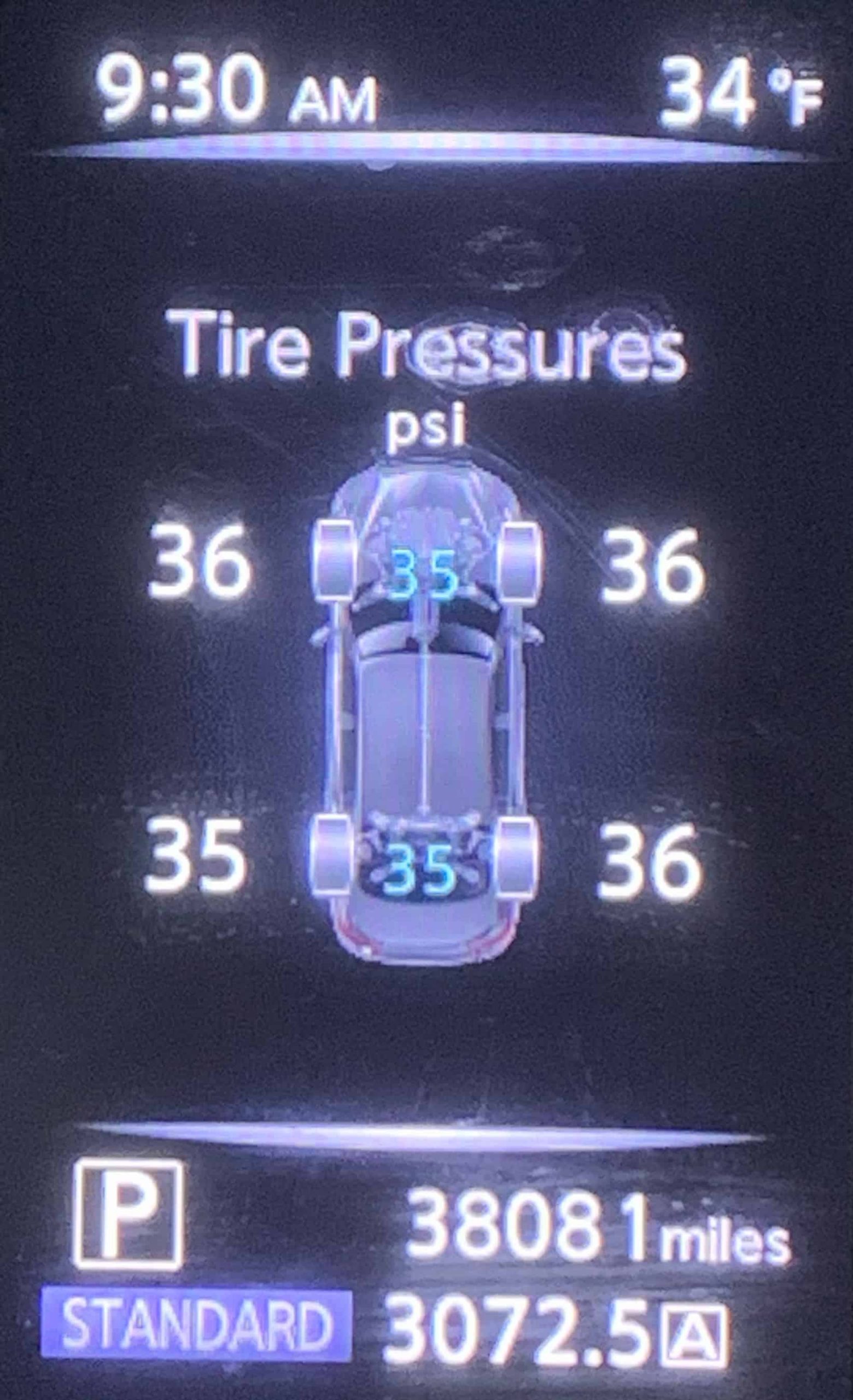
Modern Jeeps use a Tire Pressure Monitoring System, or TPMS, to alert drivers when pressure drops. This system is helpful, but it should not replace manual checks.
A TPMS warning usually means pressure has changed enough to trigger a sensor. It does not tell you the exact cause, so a physical inspection is still important.
The Complete Guide to Jeep Tire Pressure Load Temperature and Driving Conditions recommends combining technology with simple maintenance habits.
- ✦ Check Monthly
Regular checks help find slow leaks and pressure changes early.
- ✦ Inspect Tread
Look for cracks, cuts, uneven wear, and damaged areas.
Reading Jeep Tire Wear Patterns
Tire wear often provides clues about pressure problems. Center wear may suggest too much pressure, while edge wear can point toward low pressure.
Rotation, alignment checks, and correct inflation help extend tire life.
- ✦ Center Tread Wear
Often linked with excessive inflation pressure.
- ✦ Outer Edge Wear
Often connected with underinflation or alignment issues.
Frequently Asked Questions about Complete Guide to Jeep Tire Pressure Load Temperature and Driving Conditions

Jeepexplorerr
Contributor