The complete Guide to Jeep Suspension Noises Vibrations and Movement starts with understanding how your Jeep communicates problems. A clunk, shake, or strange body motion is often an early warning sign. Many Jeep owners notice these symptoms after off-road trips, rough roads, or years of daily driving across changing American road conditions.
From my experience working around Jeep suspension systems, the biggest mistake owners make is ignoring small changes. A light rattle can become a worn joint, and a small vibration can become a safety concern. Finding the source early saves money and keeps your Jeep comfortable on highways, trails, and city streets.
Understanding Common Jeep Suspension Noises and What They Mean
The first step in the Complete Guide to Jeep Suspension Noises Vibrations and Movement is learning the meaning behind different sounds. A suspension system has many moving parts, including shocks, springs, control arms, bushings, and joints. When one part wears out, it can create a sound that travels through the entire vehicle.
A Jeep that makes noise over bumps, during turns, or while braking should receive a careful inspection. The location, timing, and type of sound often help identify the problem area.

- ✦ Clunking sounds
A loud clunk may come from loose bolts, worn control arm bushings, damaged sway bar links, or ball joint wear.
- ✦ Squeaking noises
Squeaks often appear when rubber bushings dry out, crack, or lose their ability to absorb movement.
- ✦ Rattling sounds
Rattles can result from loose suspension hardware, damaged brackets, or components moving beyond normal limits.
Why Jeep Suspension Sounds Change After Off Road Use
Jeep vehicles are built for rough terrain, but off-road driving creates extra stress on suspension parts. Mud, rocks, water, and repeated impacts can speed up wear on joints and bushings.
After trail use, I recommend checking for loose bolts and damaged rubber parts. A quick inspection can catch problems before they affect steering control.
- ✦ Trail impact damage
Hard impacts can bend brackets, loosen mounts, or damage suspension connections.
Common Causes of Jeep Suspension Vibrations
Vibrations are one of the most common concerns covered in the Complete Guide to Jeep Suspension Noises Vibrations and Movement. A Jeep may shake through the steering wheel, seat, or entire body. The source can range from simple tire issues to worn suspension parts.
The key is to notice when the vibration happens. Speed, braking, acceleration, and road surface conditions can all provide clues.

- ✦ Wheel and tire problems
Unbalanced tires, uneven wear, bent wheels, or incorrect tire pressure can create noticeable shaking.
- ✦ Worn steering components
Loose tie rods, ball joints, and steering connections may create vibration and poor handling.
- ✦ Driveshaft related issues
Lifted Jeeps may develop vibration from incorrect driveshaft angles or worn joints.
Identifying Jeep Death Wobble Symptoms
Death wobble is a severe front-end vibration that can cause rapid shaking through the steering system. It often appears at certain speeds after hitting a bump or uneven surface.
The Complete Guide to Jeep Suspension Noises Vibrations and Movement includes death wobble because it requires careful diagnosis. Common inspection areas include track bars, ball joints, steering parts, and wheel bearings.
- ✦ Front suspension inspection
Check front-end joints and mounts for looseness before replacing random parts.
How Suspension Movement Affects Jeep Handling and Ride Quality
A healthy suspension system controls how your Jeep moves during acceleration, braking, and cornering. Excess movement can make the vehicle feel unstable and reduce driver confidence.
The Complete Guide to Jeep Suspension Noises Vibrations and Movement shows that movement problems are not always caused by one failed part. Several worn components can combine to create poor handling.

- ✦ Body roll
Weak shocks or worn sway bar parts can allow excessive leaning during turns.
- ✦ Uneven ride height
Broken springs or sagging components can create an uneven stance and poor suspension balance.
- ✦ Poor steering response
Loose suspension connections can delay steering input and reduce control.
Suspension Geometry After Jeep Lifts
Many Jeep owners install lift kits for larger tires and better trail clearance. However, changing ride height also changes suspension angles.
A proper lift setup may require adjusted control arms, track bars, and driveshaft solutions. Good geometry helps reduce vibration and improves handling.
- ✦ Lift inspection
Confirm that all suspension angles and mounting points match the new setup.
Checking Jeep Suspension Components Step by Step
A proper inspection makes the Complete Guide to Jeep Suspension Noises Vibrations and Movement easier to apply. Start with simple visual checks before moving to advanced diagnosis.
Look for cracked rubber, leaking shocks, loose fasteners, and damaged mounting areas. Many problems become obvious when the suspension is viewed carefully.
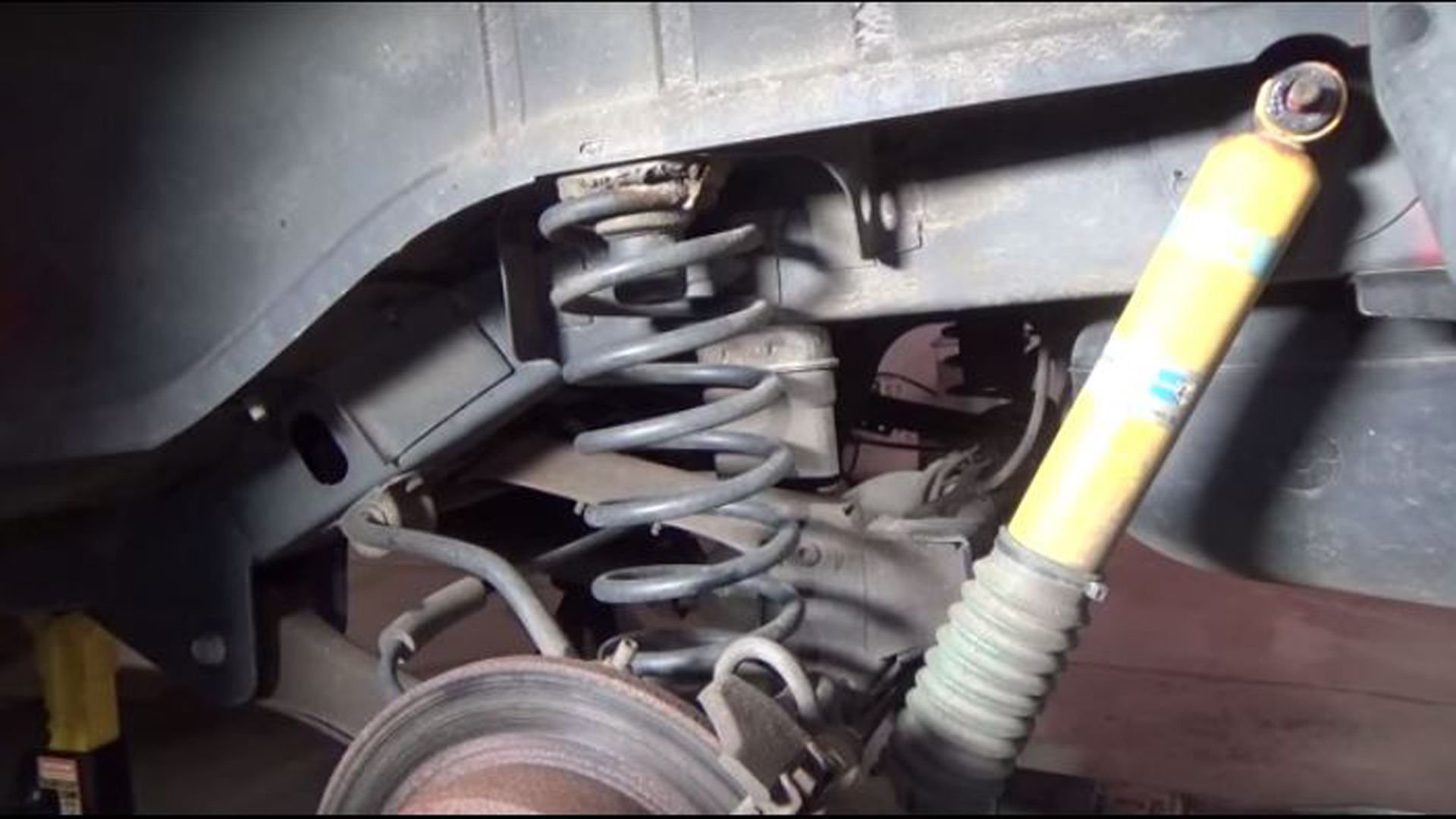
- ✦ Inspect shocks
Look for fluid leaks, dents, or reduced damping performance.
- ✦ Check bushings
Worn bushings may allow unwanted movement and create noise.
- ✦ Test suspension joints
Loose joints can affect steering stability and create vibration.
Tools That Help With Suspension Diagnosis
Basic tools can help Jeep owners perform simple checks at home. A flashlight, torque wrench, floor jack, and inspection gloves are useful starting points.
For serious vibration or steering problems, professional equipment can help identify issues that are difficult to see.
- ✦ Torque wrench
Helps confirm suspension bolts meet proper tightening specifications.
Preventing Jeep Suspension Problems Through Maintenance
Regular maintenance is one of the best ways to avoid suspension noise, vibration, and movement problems. Jeep owners who drive on rough roads or trails should inspect suspension parts more often.
The Complete Guide to Jeep Suspension Noises Vibrations and Movement emphasizes prevention because small repairs are usually easier than major suspension rebuilds.
- ✦ Routine inspections
Check suspension parts during oil changes or seasonal maintenance.
- ✦ Proper tire care
Correct tire pressure and rotation help protect suspension components.
When To Seek Professional Help
Some suspension issues require professional diagnosis. Strong shaking, steering changes, or repeated noises should not be ignored.
A qualified technician can inspect alignment, suspension angles, and worn parts with specialized tools.
- ✦ Safety concerns
Seek help when suspension problems affect steering control or vehicle stability.
Frequently Asked Questions about Complete Guide to Jeep Suspension Noises Vibrations and Movement

Jeepexplorerr
Contributor