The Complete Guide to Jeep Transfer Case Noises Leaks and Engagement Problems helps Jeep owners understand common four wheel drive failures before they become major repairs. From my experience working around Jeep drivetrain systems, many problems start with small signs like a faint whine, a fluid spot, or a delayed 4WD shift.
American Jeep owners often use their vehicles for daily driving, towing, snow travel, and off-road trips. A healthy transfer case is key for sending power to the front and rear axles when conditions become difficult. This guide explains the causes, warning signs, and repair steps in simple terms.

Understanding Jeep Transfer Case Operation and Common Failures
A transfer case is the part that splits engine power between the front and rear wheels in four wheel drive Jeeps. It connects to the transmission and uses gears, chains, shafts, and clutches to control power flow.
The Complete Guide to Jeep Transfer Case Noises Leaks and Engagement Problems starts with understanding this system. When any internal part wears out, drivers may notice strange sounds, fluid leaks, or trouble switching between drive modes.
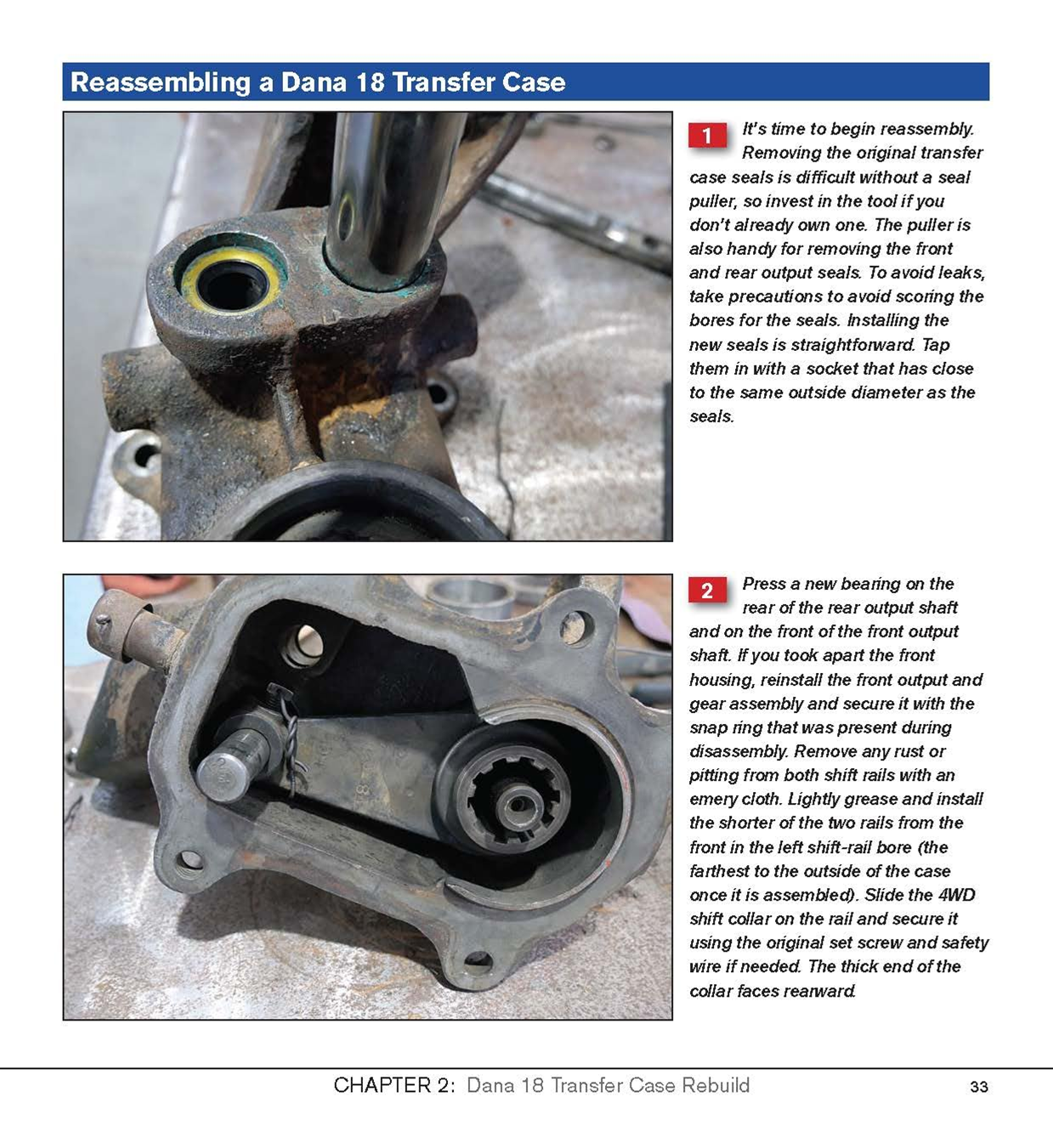
- ✦ Transfer case role
The transfer case sends torque to different axles and allows Jeep drivers to select two wheel drive or four wheel drive modes.
- ✦ Common failure areas
Chains, gears, bearings, seals, sensors, and shift mechanisms can wear and create performance problems.
How Four Wheel Drive Engagement Works
Modern Jeep transfer cases use mechanical and electronic controls to change drive modes. Some models use a lever, while newer models use buttons and electric motors.
A problem with the actuator, wiring, or internal linkage can stop the transfer case from moving into the selected range.
- ✦ Mechanical systems
Older Jeeps often rely on manual levers and linkage that can wear or become misaligned.
- ✦ Electronic systems
Newer Jeeps use sensors and motors that can fail and prevent proper engagement.
Jeep Transfer Case Noise Symptoms and What They Mean
Noise is one of the first signs that a transfer case needs attention. Drivers may hear humming, grinding, clunking, clicking, or whining sounds during acceleration or while using four wheel drive.
The Complete Guide to Jeep Transfer Case Noises Leaks and Engagement Problems shows that noise type and timing can help identify the source. A sound that changes with speed may point to bearings, gears, or chain wear.

- ✦ Whining noise
A high pitched whine can happen when bearings wear or fluid levels become too low.
- ✦ Clunking noise
A hard clunk may come from worn chains, gears, mounts, or loose drivetrain parts.
- ✦ Grinding noise
Grinding often suggests internal damage and should be inspected quickly.
Transfer Case Chain and Gear Problems
Many Jeep transfer cases use a chain to move power between output shafts. Over time, the chain can stretch and create a knocking or slapping sound.
Worn gears may also create noise under load. These problems often become worse during towing or off-road use.
- ✦ Chain stretch
A stretched chain may create noise and reduce reliable power transfer.
Jeep Transfer Case Fluid Leaks and Seal Failures
Transfer case fluid keeps internal parts lubricated and cool. A leak can lower fluid levels and cause serious damage if ignored.
The Complete Guide to Jeep Transfer Case Noises Leaks and Engagement Problems includes leak diagnosis because fluid loss is one of the easiest issues to spot early.

- ✦ Common leak locations
Leaks often appear around output shaft seals, input seals, drain plugs, and case mating surfaces.
- ✦ Low fluid warning signs
Low fluid can cause noise, heat buildup, rough operation, and internal wear.
How to Identify Transfer Case Fluid
Transfer case fluid usually appears near the center of the vehicle under the drivetrain area. Checking the fluid color and location helps separate it from engine oil or transmission fluid.
A professional inspection can confirm the source when multiple drivetrain components are close together.
- ✦ Visual inspection
Look for wet areas around seals, bolts, and the transfer case housing.
Jeep Transfer Case Engagement Problems and 4WD Failures
A Jeep that refuses to enter four wheel drive may have a transfer case engagement problem. The cause may be mechanical, electrical, or related to driver controls.
Many Jeep owners first notice the issue when the 4WD light flashes, the system does not respond, or the vehicle remains in the wrong drive mode.
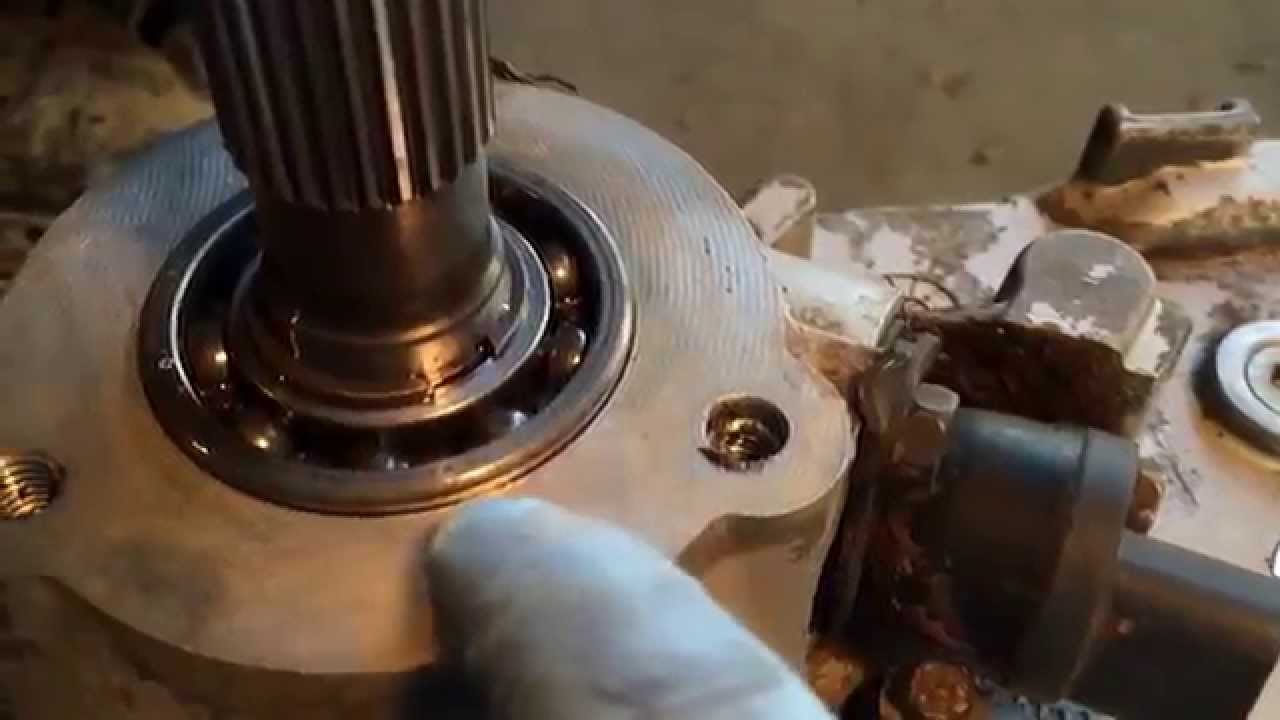
- ✦ Failed actuator
Electronic transfer cases depend on actuators that can fail and stop range changes.
- ✦ Damaged linkage
Manual systems can develop loose or damaged linkage that prevents full engagement.
- ✦ Sensor problems
Faulty sensors can send incorrect signals to the control module.
Testing Transfer Case Engagement
Start by checking warning lights, fluid condition, and basic controls. Scan tools can help find electronic faults on newer Jeep models.
A careful test avoids replacing expensive parts when the actual problem is a small control issue.
- ✦ Basic check
Confirm that the vehicle follows the selected 4WD mode and listen for unusual sounds.
Diagnosing Jeep Transfer Case Problems Step by Step
Proper diagnosis saves time and money. Many drivetrain symptoms can look similar, so checking each possible cause matters.
The Complete Guide to Jeep Transfer Case Noises Leaks and Engagement Problems recommends starting with simple inspections before removing parts.

- ✦ Check fluid level
Verify the transfer case has the correct fluid amount and proper fluid condition.
- ✦ Inspect for leaks
Find wet areas and trace fluid movement back to the source.
- ✦ Listen carefully
Note when the noise happens during acceleration, turning, or 4WD use.
When Professional Repair Is Needed
Some transfer case repairs require special tools and drivetrain experience. Internal gear, chain, and bearing repairs often need professional service.
Continuing to drive with major transfer case damage can increase repair costs and create safety concerns.
- ✦ Internal damage
Grinding sounds and metal debris usually require deeper inspection.
Preventing Future Jeep Transfer Case Problems
Routine care helps extend transfer case life. Jeep owners who drive in mud, snow, or rough terrain should inspect the system more often.
The Complete Guide to Jeep Transfer Case Noises Leaks and Engagement Problems is not only about repairs. Prevention plays a major role in keeping a Jeep dependable.

- ✦ Service fluid regularly
Use the correct fluid type and follow recommended service intervals.
- ✦ Inspect after off-road trips
Check for leaks, damage, and loose parts after demanding driving.
- ✦ Fix small issues early
Early repairs can prevent larger drivetrain failures.
Driving Habits That Protect the Transfer Case
Avoid forcing four wheel drive engagement when the system is under heavy stress. Follow the vehicle manual for proper shifting procedures.
Smooth operation and regular maintenance help protect internal components.
- ✦ Use correct settings
Choose the right drive mode for road and trail conditions.
Frequently Asked Questions about Complete Guide to Jeep Transfer Case Noises Leaks and Engagement Problems

Jeepexplorerr
Contributor