A Jeep engine misfire is one of the most common problems faced by owners of vehicles like the Wrangler, Grand Cherokee, Cherokee, Gladiator, and other Jeep models. You may notice shaking, poor acceleration, rough running, or a flashing check engine light. These symptoms mean the engine is not producing power evenly.
This Complete Guide to Jeep Engine Misfires Causes diagnosis and Repair explains how misfires happen, what causes them, how professionals diagnose them, and what repairs usually solve the problem. From my experience studying vehicle repair issues, the biggest mistake owners make is replacing parts without testing the real cause first.
A correct diagnosis saves money and prevents repeat failures. A simple spark plug problem may look similar to a fuel injector issue, while a vacuum leak may feel like an engine failure. Understanding the full system helps Jeep owners make smarter repair decisions.
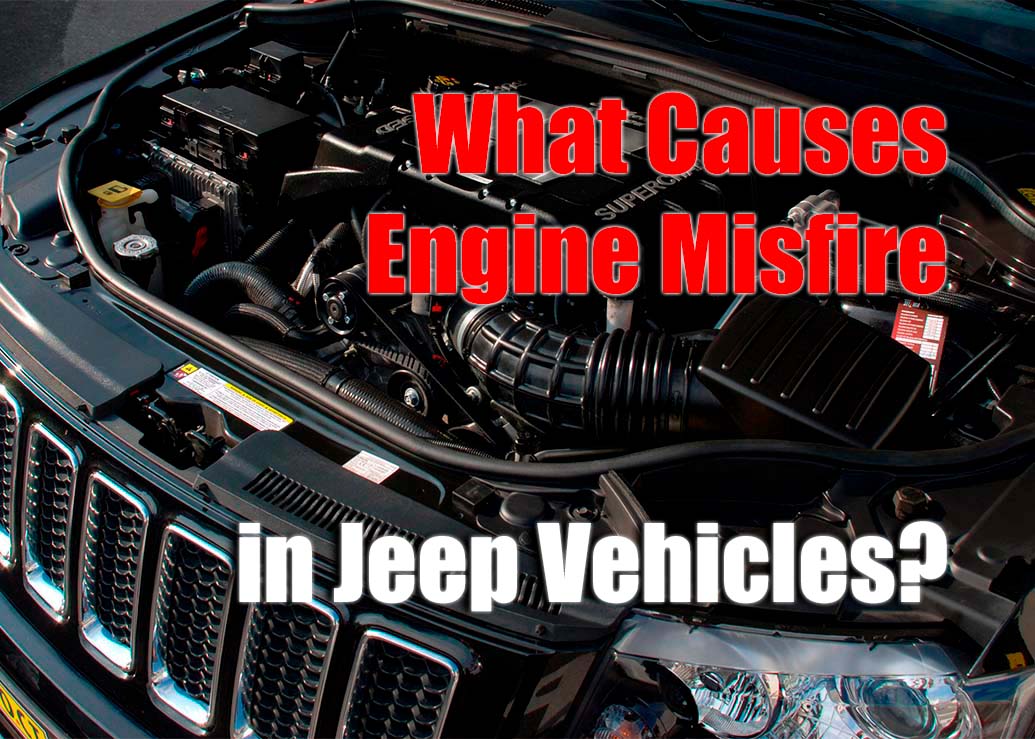
What Is a Jeep Engine Misfire and How It Affects Performance
A Jeep engine misfire happens when a cylinder does not complete the combustion process correctly. Each cylinder needs the right amount of air, fuel, compression, and spark to create power. When one part fails, the cylinder produces less power or stops working.
The Complete Guide to Jeep Engine Misfires Causes Diagnosis and Repair starts with understanding combustion. A healthy engine runs smoothly because every cylinder fires at the correct time. A misfiring cylinder creates imbalance, vibration, and reduced performance.
Many Jeep owners first notice the issue during acceleration, climbing hills, towing, or cold starts. Modern Jeep engines use computers to monitor combustion, so the vehicle may store fault codes when a misfire occurs.
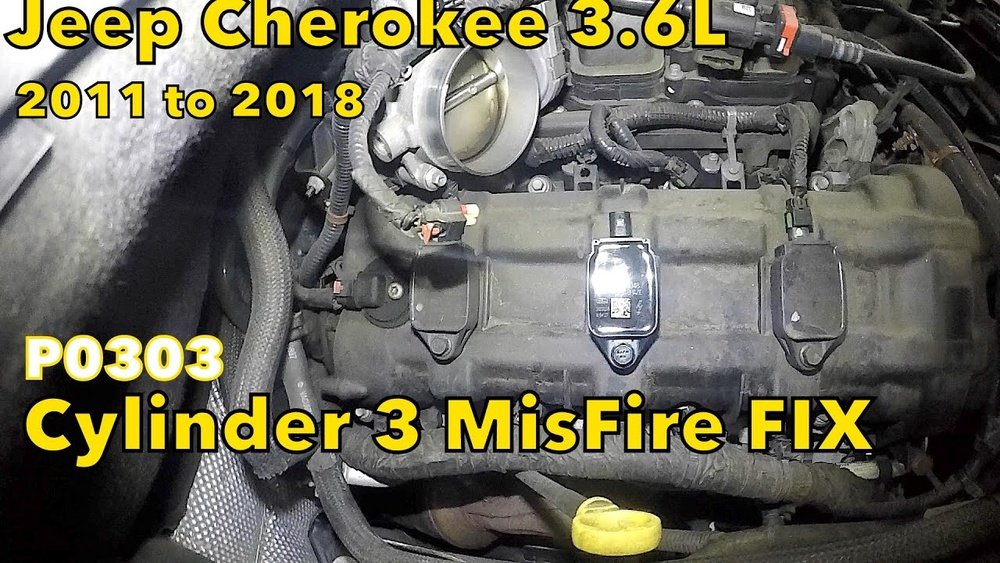
- ✦ Common Jeep misfire symptoms
Drivers may experience rough idle, engine shaking, hesitation, weak acceleration, reduced fuel economy, and a check engine light.
- ✦ Why misfires matter
A continued misfire can damage the catalytic converter because unburned fuel enters the exhaust system.
How Jeep Engine Computers Detect Misfires
The engine control module monitors crankshaft speed changes to identify combustion problems. When one cylinder loses power, the computer detects the imbalance and may record a cylinder-specific code such as P0301 or P0302.
- ✦ Cylinder codes
The final number in many P030X codes identifies the cylinder with a detected misfire.
Common Causes of Jeep Engine Misfires
A Jeep engine misfire can come from several systems. Finding the exact cause requires checking ignition, fuel delivery, air intake, and engine condition. Random part replacement often increases repair costs without fixing the issue.
The most common causes are related to ignition components because spark plugs and ignition coils work under extreme heat and pressure. However, fuel system and mechanical problems can create the same symptoms.
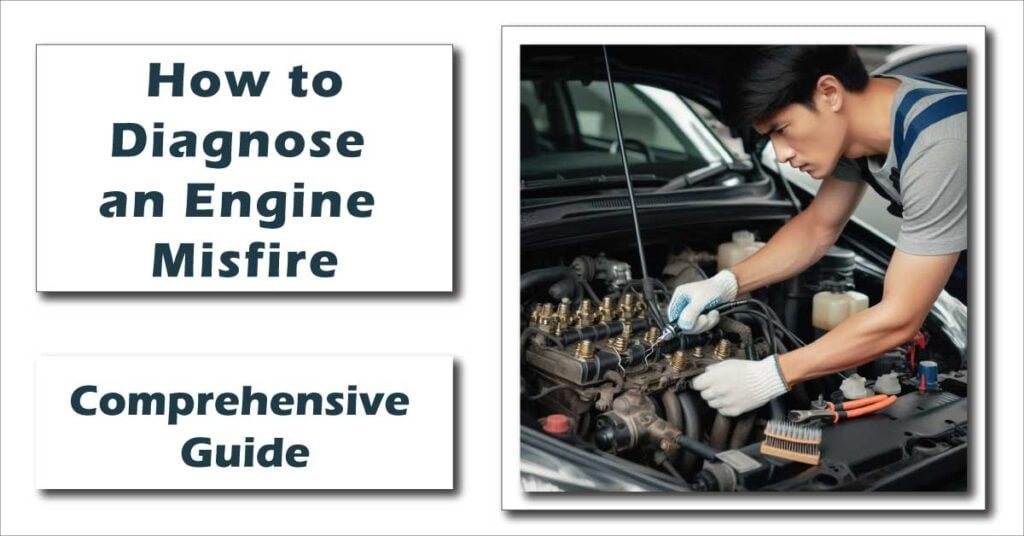
- ✦ Worn spark plugs
Old or damaged spark plugs may create weak ignition and prevent complete fuel combustion.
- ✦ Faulty ignition coils
A weak coil cannot create enough voltage for the spark plug, causing one cylinder to fail.
- ✦ Fuel injector problems
A clogged or failing injector can deliver too little or too much fuel.
- ✦ Vacuum leaks
Unwanted air entering the engine changes the air-fuel mixture and can cause rough running.
Ignition System Problems
The ignition system is one of the first areas technicians inspect. Spark plugs, coils, and wiring must work together to create a strong spark. A small ignition problem can create a noticeable engine shake.
- ✦ Spark plug inspection
Checking plug wear, deposits, and gaps can reveal combustion problems.
Fuel and Air Delivery Problems
The engine needs a precise balance of fuel and air. Dirty injectors, failing fuel pumps, clogged filters, or intake leaks can disturb this balance and create misfires.
- ✦ Air-fuel balance
Too much air or too little fuel creates a lean condition that can trigger misfire symptoms.
How to Diagnose a Jeep Engine Misfire Step by Step
Proper diagnosis is the most important part of the Complete Guide to Jeep Engine Misfires Causes Diagnosis and Repair process. A technician should confirm the problem before replacing expensive components.
Start with an OBD-II scanner to identify stored trouble codes. The code does not always identify the failed part, but it provides a direction for testing.
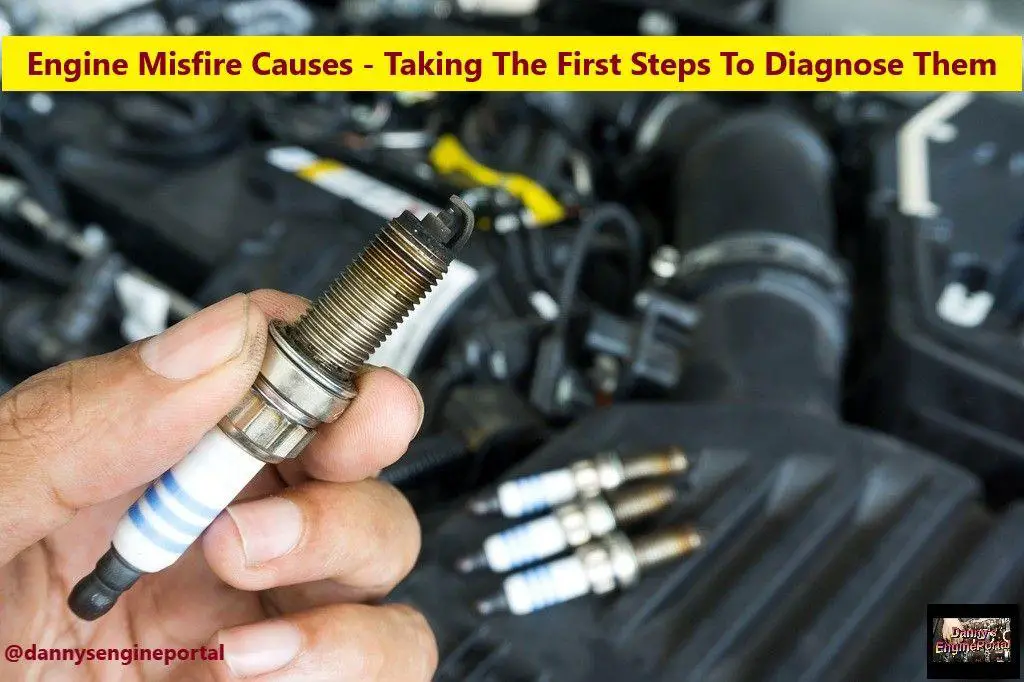
- ✦ Step 1: Scan trouble codes
Read engine codes and check freeze-frame data to understand when the misfire happens.
- ✦ Step 2: Inspect ignition parts
Check spark plugs, coils, connectors, and wiring for damage.
- ✦ Step 3: Test fuel delivery
Verify injector operation and fuel pressure.
- ✦ Step 4: Check engine compression
A compression test can reveal internal engine problems such as valve or piston issues.
Using the Swap Test Method
One useful diagnostic method is swapping parts between cylinders. For example, moving an ignition coil from one cylinder to another can show whether the coil is causing the misfire.
- ✦ Why testing matters
Testing avoids replacing good parts and helps identify the actual failed component.
Jeep Misfire Repair Solutions and Replacement Options
Repair depends on the source of the misfire. Some fixes are simple, while others require deeper engine inspection. The correct repair restores smooth combustion and prevents additional damage.
A Jeep owner should avoid ignoring a flashing check engine light. This warning often indicates an active misfire that can harm the catalytic converter.
- ✦ Replace worn spark plugs
New spark plugs can restore proper ignition when old plugs cause weak combustion.
- ✦ Replace damaged ignition coils
A failing coil should be replaced to restore spark strength.
- ✦ Clean or replace injectors
Fuel injector service may fix uneven fuel delivery.
- ✦ Repair vacuum leaks
Replacing damaged hoses or seals can restore correct air flow.
When Professional Repair Is Needed
Professional diagnosis is recommended when compression is low, multiple cylinders misfire, or the cause remains unclear. Internal engine repairs require specialized tools and experience.
- ✦ Complex repairs
Valve problems, damaged pistons, and timing issues need advanced mechanical inspection.
How to Prevent Future Jeep Engine Misfires
Preventive maintenance is the best way to reduce the chance of future Jeep misfires. Regular service keeps ignition, fuel, and engine systems working correctly.
The Complete Guide to Jeep Engine Misfires Causes Diagnosis and Repair also includes prevention because avoiding the problem is often cheaper than repairing damage later.
- ✦ Follow maintenance schedules
Replace spark plugs, filters, and fluids according to Jeep service recommendations.
- ✦ Use quality fuel
Good fuel helps maintain injector performance and combustion quality.
- ✦ Address warning signs early
Small problems can become expensive repairs when ignored.